


 Pro Benefits
 About
About
 Termini e Condizioni
 Privacy
 Child Safety & Protection
 Notifiche
 Ayrush Global It Services Pvt Ltd
Holographic Optical Sight for Automotive Systems
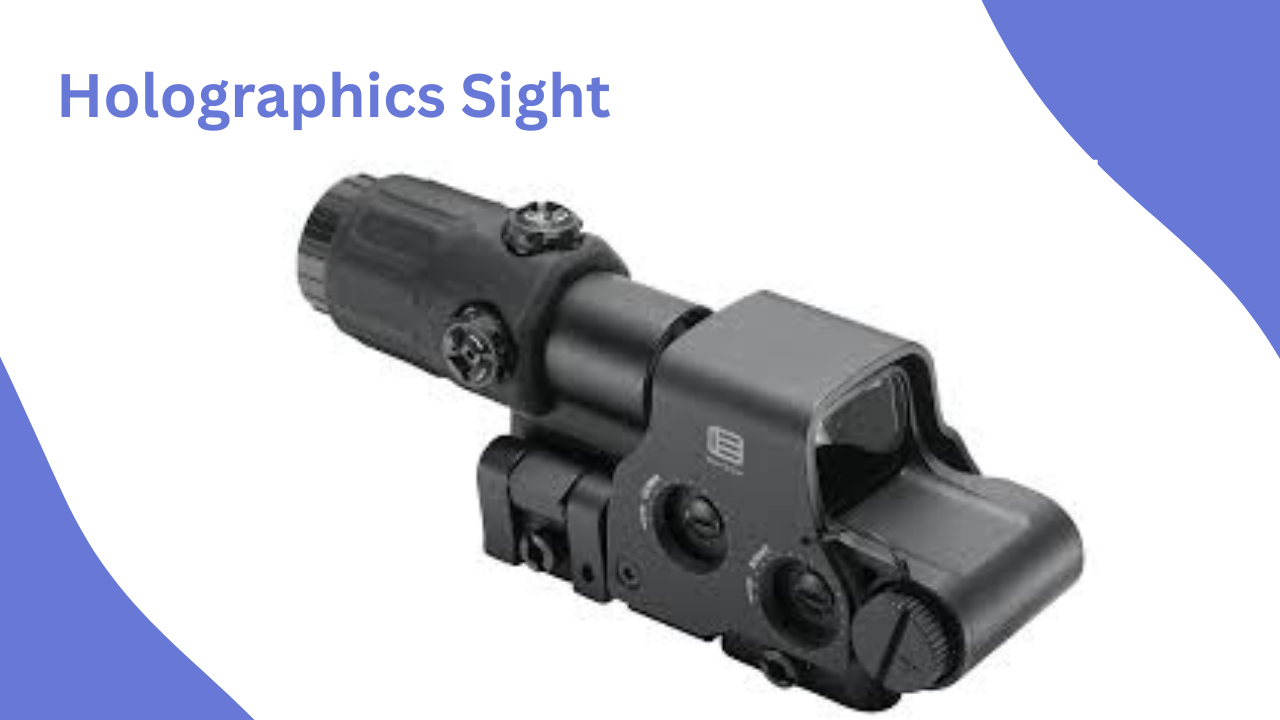
The automotive industry is rapidly evolving with advanced optical and digital technologies. Modern vehicles are no longer just mechanical systems; they are intelligent platforms with smart displays, sensors, and optical guidance systems. One emerging concept in this space is holographic optical sight technology.
In the automotive spare parts industry, holographic optical systems are becoming important for Head-Up Displays (HUD), Augmented Reality (AR) dashboards, sensor alignment tools, and advanced driver visualization systems. For B2B manufacturers, wholesalers, and distributors, this technology creates new opportunities in both OEM and aftermarket segments.
This article explains how holographic optical sight technology works, where it is used in vehicles, and why it is important for automotive spare parts businesses.
What Is Holographic Optical Sight Technology?
A holographic optical sight system is an advanced optical solution that uses holographic projection techniques to display clear and layered images in a user’s field of view. Instead of traditional flat displays, it creates a floating visual interface that appears integrated into real-world surroundings.
In automotive applications, this technology is used in:
- Head-Up Display (HUD) systems
- Augmented Reality dashboards
- Driver assistance visual systems
- Sensor calibration tools
- Smart cockpit interfaces
The system typically includes:
- Optical lens modules
- Holographic waveguides
- Micro display panels (such as Micro OLED)
- Beam splitters
- Projection optics
These components work together to project clear, real-time driving information directly into the driver’s view.
Importance of Holographic Systems in Automotive Industry
Modern vehicles require advanced visual systems to improve safety, comfort, and driving efficiency. Traditional dashboards are limited because they require drivers to look away from the road.
Holographic optical systems solve this problem by providing:
- Real-time navigation display
- Speed and warning alerts
- Lane assistance information
- Collision warnings
- Vehicle status updates
This improves driver awareness and reduces distraction, making driving safer and more intuitive.
Growing Demand for Holographic Optical Technology
Several major automotive trends are driving demand for holographic optical systems.
Expansion of AR Head-Up Displays
Automotive manufacturers are increasingly adopting AR-based HUD systems that project navigation and safety data onto the windshield.
Growth of Electric Vehicles (EVs)
Electric vehicles rely heavily on digital cockpits and advanced visual interfaces, increasing demand for optical display systems.
Development of Smart Cockpits
Modern cars now include fully digital interiors that use layered visual displays and interactive interfaces.
Rise of Autonomous Driving Systems
Self-driving vehicles require advanced visual feedback systems for monitoring surroundings and system status.
These trends are pushing demand for high-performance optical modules across the automotive supply chain.
Benefits for Automotive Spare Parts Businesses
For B2B companies, holographic optical systems offer strong commercial opportunities.
Expanding Product Portfolio
Businesses can diversify into advanced optical modules and digital display systems.
High-Value Market Segment
Holographic systems are premium components with higher profit margins compared to traditional spare parts.
OEM and Aftermarket Demand
These systems are used in both new vehicle production and advanced retrofit solutions.
Strong Global Growth
Demand is increasing in major automotive markets such as Asia, Europe, and North America.
Alignment with Future Vehicle Technology
As vehicles become smarter, optical display systems will become standard components.
These advantages make holographic optical technology a valuable business opportunity.
Applications of Holographic Optical Systems in Vehicles
Holographic optical technology is used in several automotive systems.
Head-Up Display (HUD)
Displays important driving data directly in the driver’s field of view.
Augmented Reality Navigation
Overlays navigation instructions on real-world road views.
Smart Cockpit Systems
Provides interactive and layered digital interfaces inside the vehicle.
Driver Assistance Systems (ADAS)
Shows real-time alerts and safety warnings to the driver.
Vehicle Sensor Visualization
Helps display sensor data from cameras, radar, and LiDAR systems.
These applications show how optical innovation is shaping the future of vehicles.
Key Factors When Choosing a Supplier
For B2B buyers, selecting the right supplier is critical.
Optical Precision
High-quality holographic optics ensure clear and stable image projection.
Manufacturing Capability
Suppliers must support mass production with consistent quality.
Automotive Standards Compliance
Products should meet automotive safety and reliability standards.
Technical Engineering Support
Integration support is important for OEM and system design.
Supply Chain Reliability
Stable delivery ensures smooth production operations.
Strong supplier relationships help businesses remain competitive in the automotive industry.
Future Trends in Holographic Automotive Technology
The future of automotive optical systems is closely linked with innovation in display and sensor technologies.
Emerging trends include:
- AR windshield projection systems
- AI-powered digital cockpits
- Micro OLED holographic displays
- Fully immersive driving interfaces
- Smart sensor integration systems
- 3D vehicle visualization dashboards
- Autonomous driving display platforms
As these technologies develop, holographic optical systems will become a core part of vehicle design.
Manufacturers are investing heavily in optical research and digital display innovation.
Conclusion
Holographic optical sight technology is transforming the automotive industry by enabling advanced visual systems such as AR dashboards, HUD displays, and smart cockpits. It improves safety, reduces driver distraction, and enhances the overall driving experience.
For automotive spare parts businesses, this technology offers strong B2B opportunities in OEM manufacturing and aftermarket supply chains. As electric vehicles, autonomous driving, and smart cockpit systems continue to grow, demand for holographic optical modules will increase significantly.
Companies that invest in advanced optical technologies today will be well positioned to succeed in the future automotive spare parts market.
 Italiano
 English
 Arabic
 French
 Spanish
 Portuguese
 Deutsch
 Turkish
 Dutch
Dutch
 Russian
 Romaian
 Portuguese (Brazil)
 Greek
Greek
