


 Pro Benefits
 About
About
 Koşullar
 Gizlilik
 Child Safety & Protection
 Bildirimler
 Ayrush Global It Services Pvt Ltd
NBC Filtration Maintenance Checklist for Homeowners
A residential neighbourhood near an industrial plant receives an emergency alert about a chemical release. Homeowners seal windows and consider their HVAC options. In that tense hour, basic knowledge of NBC filtration—what it does, how it fails, and simple maintenance steps—can make the difference between a safe shelter-in-place and unnecessary exposure.
NBC threats—radioactive particulates, biological aerosols and toxic chemical vapours—remain important considerations for civil preparedness even outside military or industrial sites. An NBC Filtration System is a purpose-designed air treatment arrangement that removes these hazards; while full-scale systems are typical for bunkers and command centres, homeowners can benefit from understanding maintenance principles and readiness measures. This checklist covers practical, safety-focused actions a homeowner should know.
What an NBC filtration system is (brief)
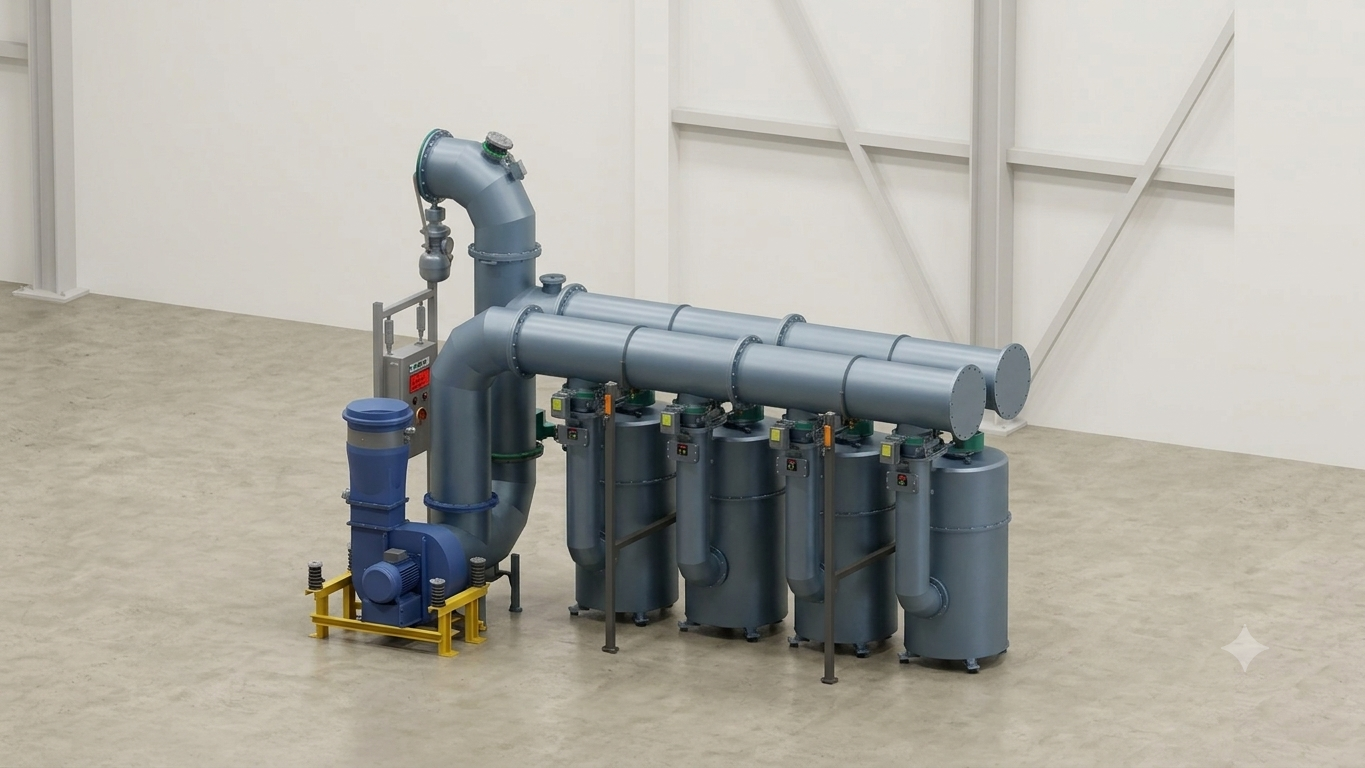
At its core, an NBC Filtration System combines particulate filtration (prefilters and HEPA) with gas-phase adsorption (activated or impregnated carbon) and controlled airflow. For homes the emphasis is usually on ensuring HVAC and portable filtration devices function effectively for particles and, where possible, reduce vapour ingress during short sheltering periods.
Quick safety priorities for homeowners
-
Seal the building envelope to reduce infiltration during an external event.
-
Maintain ventilation systems so filters can perform when needed.
-
Have portable HEPA air cleaners for immediate localised filtration.
-
Understand that true chemical adsorption requires specific carbon media and may not be provided by standard home HVAC filters.
Maintenance checklist: monthly to annual tasks
-
Inspect visible filters monthly. Replace disposable prefilters and portable HEPA prefilters when visibly dirty or per manufacturer intervals.
-
Check HVAC cabinet seals and filter doors quarterly. Replace worn gaskets to prevent bypass leakage.
-
Monitor differential pressure if the system has gauges; a steady rise indicates loading and need for changeout.
-
Test portable air cleaners monthly: ensure fan settings operate, cords are intact and access panels seal properly.
-
Replace HVAC furnace/air handler filters per rated life (typically 1–3 months for common MERV-rated filters). For long sheltering readiness, keep spares on hand.
-
Annually schedule HVAC service: blower motor check, belt and pulley inspection, and duct leakage inspection where possible.
Portable HEPA and clean-air room setup
-
Select a certified HEPA unit (true H13/H14 or HEPA-grade) sized for room volume. Clean-air delivery rate (CADR) should match occupant needs.
-
Create a clean-air room by choosing an interior room with minimal exterior openings, running the HEPA unit on high, and sealing doors/windows with temporary weatherstripping.
-
For biological events, HEPA capture is effective; for chemical vapours, a dedicated carbon filter or adsorbent unit is necessary—standard home carbon filters offer limited protection and variable specifications.
What homeowners should know about carbon and chemical protection
-
Activated carbon works by adsorption and must be sized and conditioned for target chemicals; household carbon panels generally target odors and VOCs, not warfare agents or industrial-scale releases.
-
Humidity shortens carbon life; store spare carbon-containing filters in sealed packaging and avoid installing them in high-humidity locations.
-
If chemical exposure is suspected, prioritise evacuation if guidance allows; if sheltering, minimise outdoor air intake and use sealed clean-air rooms with HEPA and any available carbon media.
Safe changeout and handling guidance
-
When replacing filters after a suspected contamination event, treat filters as potentially contaminated: wear gloves, eye protection and an N95 or higher respirator when handling.
-
Seal used filters in heavy-duty plastic bags and label them for safe disposal per local hazardous waste guidance.
-
Avoid shaking or tapping filters to remove dust; this can aerosolize contaminants and increase exposure risk.
Monitoring and detection basics for homeowners
-
Consider inexpensive particulate monitors to check indoor PM2.5 and PM10 trends; rising counts after an external event indicate infiltration.
-
Compact gas detectors for a broad range of toxic industrial chemicals are available, but homeowner models vary in sensitivity and specificity—use as situational awareness tools only, not definitive hazard clearance.
-
Follow official alerts and guidance from emergency services; sensor data supplements but does not replace authoritative instructions.
System selection and readiness factors
-
For whole-house upgrades, consult professionals experienced with high-efficiency filtration; they will assess blower capacity, duct sealing and compatibility of higher-MERV or HEPA retrofit solutions.
-
Balance filtration efficiency against airflow: overly restrictive filters without blower upgrades can reduce ventilation and impair comfort and safety.
-
Stock essential spares: HVAC filters matching your system, HEPA portable units or spare cartridges, basic PPE (gloves, N95/P100 respirators) and heavy plastic bags for filter containment.
When to seek professional help
-
If you need a dedicated sealed-room installation, HVAC contractors experienced in contamination-control or shelter retrofits can advise on pressures, sealing, and viable HEPA/carbon integration.
-
After any confirmed radiological or chemical release, defer filter handling and building re-entry instructions to qualified responders and radiological/chemical specialists.
Procurement note and regional sourcing
Homeowners considering specialised filtration or looking to understand market options—including comparative NBC air filtration system price in india—should request technical datasheets showing HEPA ratings and any adsorption test data from suppliers and installers. For more detailed system-level information and certified options, review technical documentation from experienced providers NBC filtration system price in india.
Common homeowner mistakes to avoid
-
Assuming standard HVAC filters protect against chemical agents.
-
Letting filters remain installed beyond recommended life during high-use periods.
-
Installing high-MERV or HEPA filters without verifying blower capacity.
-
Disposing of contaminated filters in regular household waste without containment.
-
Relying solely on unverified portable carbon panels for serious chemical exposures.
Conclusion
While full-scale NBC Filtration Systems are engineered for military and high-consequence facilities, homeowners can significantly improve safety by maintaining HVAC performance, using certified HEPA portable units, preparing clean-air rooms and following disciplined filter-handling procedures. Prioritise sealing, monitoring, and planned maintenance; when in doubt, consult qualified professionals to assess upgrades and ensure readiness. Proper preparedness and maintenance preserve indoor air integrity and reduce risk during NBC-related incidents.
 Turkish
 English
 Arabic
 French
 Spanish
 Portuguese
 Deutsch
 Dutch
Dutch
 Italiano
 Russian
 Romaian
 Portuguese (Brazil)
 Greek
Greek
