


 Pro Benefits
 About
About
 Termini e Condizioni
 Privacy
 Child Safety & Protection
 Notifiche
 Ayrush Global It Services Pvt Ltd
How Barcode Inventory Systems Are Transforming Asset Management in Modern Businesses
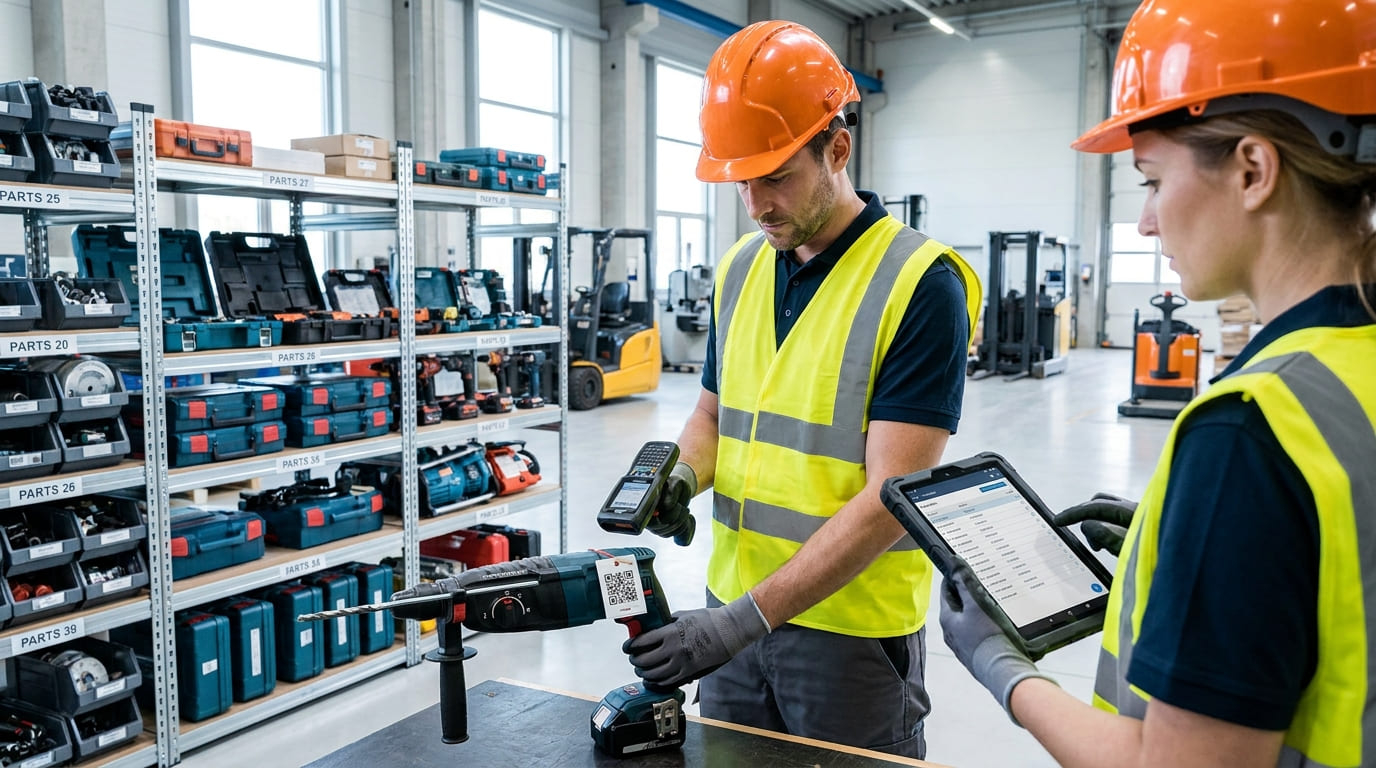
In today's fast-paced business environment, organizations are under constant pressure to improve operational efficiency, reduce losses, and gain better visibility into their assets. Whether managing warehouse inventory, construction equipment, healthcare devices, or manufacturing tools, accurate asset tracking has become a critical business function.
This is where barcode inventory systems have emerged as a powerful solution. By automating inventory control and asset monitoring, barcode technology helps businesses eliminate manual errors, improve accountability, and streamline daily operations. As companies continue to digitize their workflows, barcode-based tracking solutions are becoming an essential component of modern asset management strategies.
The Growing Need for Accurate Asset Tracking
Many businesses still rely on spreadsheets or manual processes to track inventory and equipment. While these methods may work for smaller operations, they often become inefficient as organizations grow.
Common challenges include:
- Lost or misplaced assets
- Inaccurate inventory counts
- Excessive time spent on audits
- Equipment downtime due to poor visibility
- Increased operational costs
Even a small discrepancy in inventory records can lead to significant financial losses over time. Companies that lack real-time visibility into their assets often struggle to make informed decisions about purchasing, maintenance, and resource allocation.
Implementing an equipment barcode tracking system helps eliminate these challenges by creating a reliable and standardized method for identifying and monitoring assets throughout their lifecycle.
What Are Barcode Inventory Systems?
Barcode inventory systems use machine-readable barcodes attached to products, equipment, or assets. These barcodes contain unique identification information that can be scanned using mobile devices, handheld scanners, or fixed scanning stations.
When a barcode is scanned, the information is instantly recorded within a centralized database. This allows organizations to track:
- Inventory movement
- Equipment locations
- Maintenance schedules
- Asset ownership
- Usage history
The result is greater accuracy, improved accountability, and faster access to critical operational data.
Key Components of a Barcode Tracking Solution
A complete barcode management system typically includes:
Barcode Labels
Every asset receives a unique barcode label that serves as its digital identity.
Scanning Devices
Organizations often use handheld scanners or mobile computers equipped with a barcode generator rugged design capable of operating in demanding industrial environments.
Asset Management Software
The software stores, organizes, and analyzes data collected from barcode scans, providing real-time visibility into asset status and location.
Benefits of Barcode-Based Asset Management
Improved Accuracy
Manual data entry is one of the leading causes of inventory errors. Barcode scanning significantly reduces human mistakes by automatically capturing information during every transaction.
Studies consistently show that barcode scanning delivers far greater accuracy than manual recording methods, helping organizations maintain reliable inventory records.
Faster Inventory Audits
Traditional inventory counts can require significant labor and time. Barcode technology allows employees to scan assets quickly, dramatically reducing audit durations while improving count accuracy.
This efficiency enables businesses to conduct more frequent inventory checks without disrupting operations.
Enhanced Accountability
When assets are assigned and tracked through barcode systems, businesses gain a clear audit trail showing who used equipment, when it was moved, and where it is currently located.
This transparency helps reduce asset loss and encourages responsible equipment usage across departments.
Reduced Operational Costs
Lost tools, misplaced equipment, and unnecessary purchases can quickly impact profitability. An effective equipment barcode tracking system helps organizations maximize asset utilization and avoid redundant expenditures.
By maintaining accurate records, businesses can make smarter purchasing decisions and optimize resource allocation.
Why Rugged Barcode Technology Matters
Many industries operate in environments where standard devices simply cannot withstand daily conditions. Warehouses, manufacturing plants, construction sites, and logistics facilities often expose equipment to dust, moisture, impacts, and extreme temperatures.
This is where a barcode generator rugged solution becomes particularly valuable.
Designed for Harsh Environments
Rugged barcode devices are engineered to withstand:
- Repeated drops
- Exposure to dirt and dust
- Temperature fluctuations
- Moisture and humidity
- Heavy daily usage
These durable devices help maintain operational continuity while reducing repair and replacement costs.
Increased Workforce Productivity
Employees can continue scanning assets reliably even in challenging environments. This minimizes downtime and ensures accurate data collection throughout the workday.
Organizations that invest in rugged barcode technology often experience higher productivity levels and fewer workflow interruptions.
Industry Applications of Barcode Tracking
Barcode asset management solutions are widely used across numerous industries.
Manufacturing
Manufacturers use barcode systems to monitor raw materials, work-in-progress inventory, tools, and finished goods. Accurate tracking helps improve production planning and inventory control.
Construction
Construction companies rely on barcode technology to track expensive machinery, power tools, and safety equipment across multiple job sites.
Healthcare
Hospitals and healthcare facilities use barcode systems to manage medical devices, equipment maintenance schedules, and inventory supplies while supporting compliance requirements.
Warehousing and Logistics
Warehouse operators depend on barcode scanning to improve receiving, picking, packing, and shipping accuracy while maintaining real-time inventory visibility.
Choosing the Right Barcode Tracking Solution
Selecting the right barcode system requires careful evaluation of business needs.
Organizations should consider:
- Scalability requirements
- Integration capabilities
- Mobile accessibility
- Reporting features
- Device durability
- Ease of implementation
The most effective solutions combine user-friendly software with reliable hardware to create a seamless asset management experience.
Businesses should also prioritize systems that can evolve alongside organizational growth, ensuring long-term value and operational efficiency.
The Future of Asset Management
As digital transformation continues to accelerate, businesses are seeking smarter ways to manage assets and inventory. Modern barcode inventory systems provide a cost-effective foundation for achieving greater visibility, accuracy, and operational control.
When paired with advanced software and durable scanning equipment, barcode technology enables organizations to make data-driven decisions while reducing inefficiencies throughout their operations.
Companies that implement a robust equipment barcode tracking system today position themselves for stronger asset accountability, improved productivity, and sustainable long-term growth. Combined with reliable rugged scanning solutions, barcode technology remains one of the most practical and proven tools for modern asset management success.
 Italiano
 English
 Arabic
 French
 Spanish
 Portuguese
 Deutsch
 Turkish
 Dutch
Dutch
 Russian
 Romaian
 Portuguese (Brazil)
 Greek
Greek
