


 Pro Benefits
 Σχετικά
 Όρους
Όρους
 Ιδιωτικότητα
 Child Safety & Protection
 Ειδοποιήσεις
 Ayrush Global It Services Pvt Ltd
How to Develop a Vacation Rental App Like Airbnb?
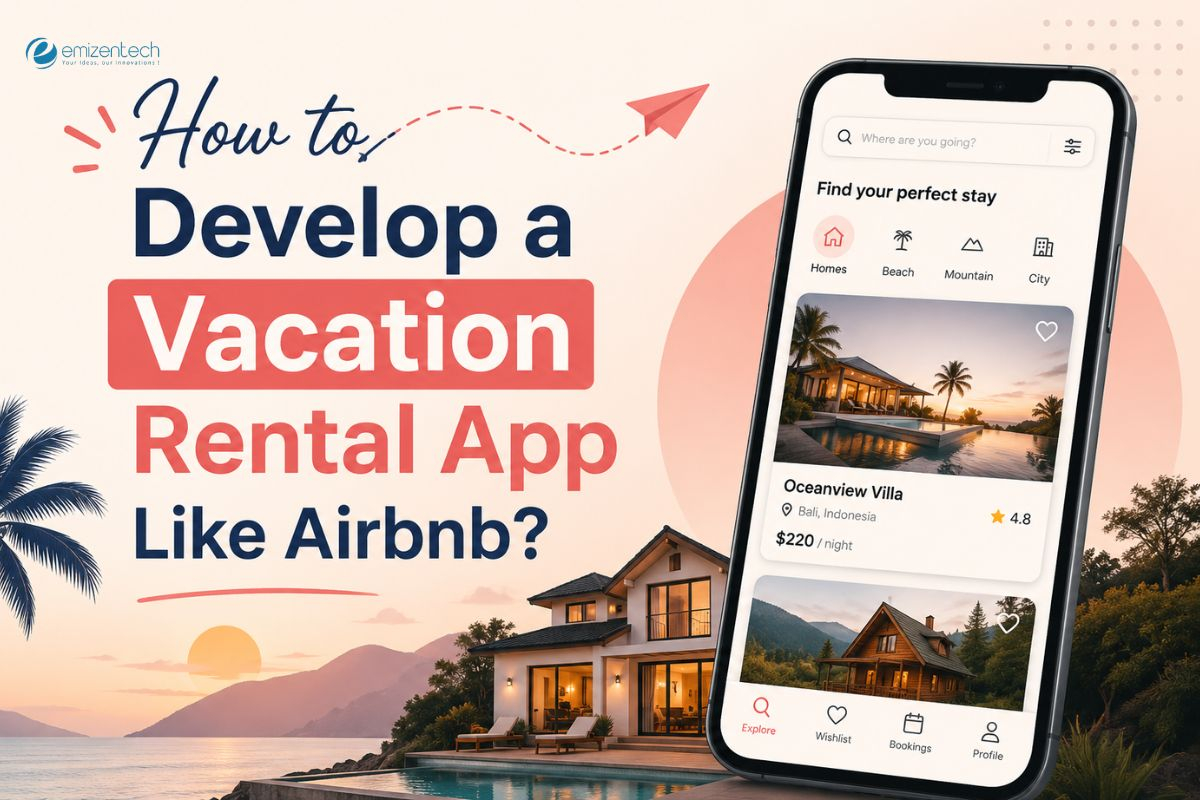
The vacation rental industry has evolved into a highly complex digital ecosystem where technology, trust, and real-time systems come together. Platforms like Airbnb have changed how people book accommodations by enabling direct connections between property owners and travelers across the world.
Building a vacation rental app like Airbnb is not just about developing a booking interface. It is about creating a complete marketplace system where users, hosts, and administrators interact seamlessly in real time. Every action—from searching for a property to completing a booking—depends on tightly connected backend systems, pricing logic, and user experience design.
Unlike traditional hotel booking systems, vacation rental platforms operate on a peer-to-peer model where inventory is not owned by the platform itself. This introduces complexity in availability management, pricing control, and trust building between strangers. Because of this, the architecture of such platforms needs to be designed with scalability and real-time consistency in mind from the very beginning.
Understanding the Marketplace Model
At the core of any vacation rental app is a two-sided marketplace that connects hosts and guests. Hosts list their properties, while guests search, compare, and book them based on location, price, and preferences. The platform acts as an intermediary that ensures smooth transactions, handles payments, and maintains trust between both sides.
The success of this model depends heavily on maintaining balance in supply and demand. If a city has too many listings but no users, or too many users but limited properties, the system becomes inefficient. This balance is what makes marketplace platforms significantly more complex than standard eCommerce systems.
Core ecosystem components:
-
Guests who search, book, and review properties
-
Hosts who list, manage, and price properties
-
Platform that handles matching, payments, and trust systems
Core Functionality and System Behavior
A vacation rental app like Airbnb works through a series of interconnected systems rather than isolated features. The search system, for example, is not just about filtering properties but about ranking them based on relevance, availability, pricing, and user behavior patterns.
On the host side, the system must allow property owners to manage listings, update availability calendars, adjust pricing dynamically, and monitor bookings. All of this needs to happen without delays or inconsistencies, especially when multiple users are interacting with the platform simultaneously.
Key functional modules include:
-
Search and recommendation engine
-
Booking and reservation system
-
Host property management system
-
Admin verification and control system
The admin layer ties everything together by managing user verification, handling disputes, controlling commissions, and monitoring overall platform performance.
System Architecture and Scalability
From a technical perspective, building a platform like Airbnb requires a strong focus on scalability and distributed architecture. Since the platform handles large amounts of data and traffic, it cannot rely on a simple monolithic system.
Most modern implementations use microservices-based architecture where different components such as search, booking, payments, and notifications operate independently but communicate through APIs. This allows systems to scale independently based on demand, ensuring that high traffic in one module does not affect the entire application.
At this stage, businesses often explore professional guidance or ready-to-scale solutions through specialized providers such as travel app development services to better understand how scalable architectures and industry-ready frameworks are implemented in real-world platforms.
Real-time data processing is also critical, especially for booking confirmations and availability updates. Without proper synchronization, issues like double bookings, slow search results, and inconsistent availability can easily occur.
Key architectural principles:
-
Microservices-based system design
-
API gateway for communication control
-
Distributed database management
-
CDN for media-heavy content
-
Event-driven workflows for bookings
Without proper architecture, issues like double bookings, slow search results, and inconsistent availability can easily occur.
Role of AI in Modern Vacation Rental Platforms
Artificial intelligence plays a major role in improving user experience and platform efficiency. Instead of showing static listings, modern systems use AI to personalize search results based on user behavior, travel history, and preferences.
AI is also used to optimize pricing strategies for hosts by analyzing demand trends and seasonal patterns. This helps improve occupancy rates while maintaining competitive pricing.
AI applications include:
-
Personalized property recommendations
-
Dynamic pricing optimization
-
Search ranking improvements
-
Fraud detection and trust scoring
These systems help transform the platform from a simple listing service into an intelligent travel assistant.
Trust, Payments, and Security
Since vacation rental platforms deal with transactions between strangers, trust becomes one of the most important components of the system. This is achieved through identity verification processes, secure payment gateways, and review systems.
Most platforms use escrow-based payment systems where funds are held securely until the booking is completed successfully. This protects both guests and hosts from fraudulent activities.
Trust mechanisms include:
-
Identity verification (KYC)
-
Secure payment processing
-
Ratings and reviews system
-
Dispute resolution workflows
Challenges in Building Airbnb-Like Platforms
Despite their success, building such platforms comes with significant technical and operational challenges. Managing real-time availability across thousands of listings is one of the most difficult aspects.
Scalability is another major concern, as traffic can spike unpredictably during peak travel seasons. Handling cancellations, refunds, and synchronization across systems requires carefully designed backend workflows.
Key challenges include:
-
Real-time availability management
-
Preventing double bookings
-
Handling peak traffic loads
-
Ensuring payment consistency
-
Maintaining system synchronization
Development Cost and Timeline
The cost of building a vacation rental app depends on multiple factors including feature complexity, platform support, and scalability requirements. A basic MVP may take a few months to develop, while a full-scale platform requires significantly more time due to backend complexity, integrations, and testing cycles.
To get a more detailed breakdown of pricing, features, and cost factors involved in travel platforms, businesses often refer to structured guides such as this travel app development cost breakdown, which explains how different app types, technologies, and integrations influence overall development budgets.
In general, the cost varies depending on whether you are building a simple MVP, a mid-level booking system, or a full-scale Airbnb-like marketplace with AI-driven personalization and real-time booking systems.
Choosing the Right Development Partner
Selecting the right development partner is one of the most important decisions in this process because the success of the platform depends heavily on the quality of its underlying architecture. A strong partner not only builds features but also understands marketplace dynamics, scalability challenges, and long-term business goals.
Companies like Emizentech focus on building scalable marketplace solutions that combine technical expertise with business understanding, ensuring that the platform is capable of handling real-world usage and growth.
Conclusion
Developing a vacation rental app like Airbnb requires a deep understanding of marketplace systems, real-time architecture, and user trust mechanisms. It is not just a development project but a long-term platform engineering challenge.
Success depends on building a system that is scalable, reliable, and capable of adapting to evolving user needs. With the right technical approach and development partner, businesses can create powerful vacation rental platforms that compete at a global level.
 Greek
Greek
 English
 Arabic
 French
 Spanish
 Portuguese
 Deutsch
 Turkish
 Dutch
Dutch
 Italiano
 Russian
 Romaian
 Portuguese (Brazil)
