


 Pro Benefits
 About
About
 Terms
Terms
 Privacy
 Child Safety & Protection
 Notifications
 Ayrush Global It Services Pvt Ltd
Top Web Design Trends Businesses Should Watch in 2026
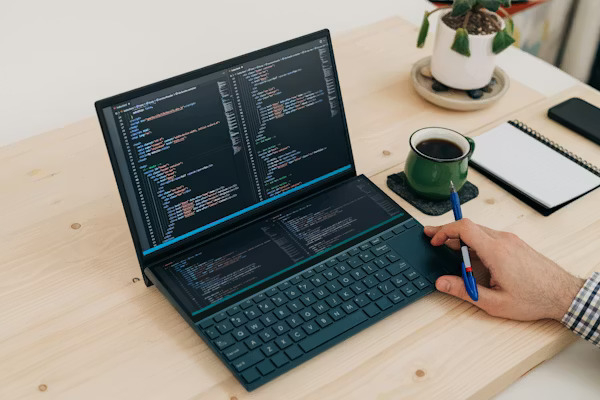
The digital landscape continues to evolve rapidly, and businesses must keep pace with changing user expectations to remain competitive. In 2026, web design is no longer just about aesthetics—it is about creating seamless, engaging, and user-focused experiences that support business growth. Modern websites must balance visual appeal, performance, accessibility, and functionality to attract and retain visitors.
Understanding emerging web design trends can help businesses create future-ready websites that deliver better experiences and stronger results.
AI-Powered Personalization
Artificial Intelligence is transforming how websites interact with users. Modern websites can now analyze visitor behavior and deliver personalized experiences in real time.
Examples include:
-
Personalized content recommendations
-
Dynamic product suggestions
-
Customized user journeys
-
Intelligent support features
AI-driven personalization helps businesses improve engagement and create more meaningful customer interactions.
Mobile-First Design Remains Essential
Mobile usage continues to dominate internet traffic, making mobile-first design a top priority.
Businesses should focus on:
-
Responsive layouts
-
Fast mobile performance
-
Touch-friendly navigation
-
Simplified interfaces
Websites designed with mobile users in mind often achieve better engagement and higher conversion rates.
Faster and Simpler User Experiences
Users increasingly prefer websites that are fast, clean, and easy to navigate.
In 2026, successful websites will emphasize:
-
Minimalist layouts
-
Faster loading times
-
Clear navigation structures
-
Reduced visual clutter
Simplified designs help users find information quickly and improve overall satisfaction.
Accessibility-Focused Design
Accessibility is becoming a standard expectation rather than an optional feature.
Businesses are investing more in designs that accommodate all users by offering:
-
Improved readability
-
Keyboard-friendly navigation
-
Alternative image descriptions
-
Better color contrast
Accessible websites provide better experiences while expanding audience reach.
Interactive User Experiences
Interactive elements are becoming increasingly popular because they encourage engagement and make websites more memorable.
Examples include:
-
Interactive product displays
-
Dynamic content sections
-
Micro-interactions
-
Animated feedback elements
These features help create more engaging digital experiences without overwhelming users.
Dark Mode Compatibility
Dark mode continues gaining popularity among users who prefer reduced screen brightness and improved visual comfort.
Many websites now offer:
-
Dark mode options
-
Adaptive color schemes
-
User-controlled display preferences
Providing multiple viewing options enhances usability and personalization.
Enhanced Visual Storytelling
Businesses are increasingly using visual storytelling to communicate messages more effectively.
Modern web design incorporates:
-
High-quality imagery
-
Strategic video content
-
Engaging graphics
-
Interactive visual elements
Visual storytelling helps brands connect with users on a deeper level and improve content engagement.
Performance-Driven Design
Website performance remains one of the most important design considerations.
Businesses are focusing on:
-
Optimized images
-
Efficient coding practices
-
Reduced page weight
-
Faster rendering times
Many organizations use professional Web design services to ensure websites maintain strong performance while delivering modern visual experiences.
Fast websites support better user satisfaction and search engine visibility.
Stronger Brand-Centered Design
Brand consistency is becoming increasingly important in competitive digital markets.
Websites in 2026 are emphasizing:
-
Unique visual identities
-
Consistent messaging
-
Custom design elements
-
Memorable user experiences
A strong brand presence helps businesses stand out and build customer trust.
Sustainable and Future-Ready Design
Businesses are also focusing on scalability and long-term adaptability.
Future-ready websites are designed to:
-
Support evolving technologies
-
Accommodate business growth
-
Integrate new features easily
-
Maintain performance over time
Sustainable design approaches help businesses avoid frequent redesigns and support long-term success.
Final Thoughts
Web design trends in 2026 are centered around personalization, mobile-first experiences, accessibility, performance, and stronger user engagement. Businesses that embrace these trends can create websites that not only look modern but also deliver meaningful results.
By investing in professional Web design services, organizations can develop future-ready websites that meet changing user expectations, strengthen brand presence, and support long-term digital growth in an increasingly competitive online environment.
 English
 Arabic
 French
 Spanish
 Portuguese
 Deutsch
 Turkish
 Dutch
Dutch
 Italiano
 Russian
 Romaian
 Portuguese (Brazil)
 Greek
Greek
