


 Pro Benefits
 About
About
 Términos
 Privacidad
 Child Safety & Protection
 Notificaciones
 Ayrush Global It Services Pvt Ltd
Recovery After Brain Tumour Surgery: What Patients Should Expect
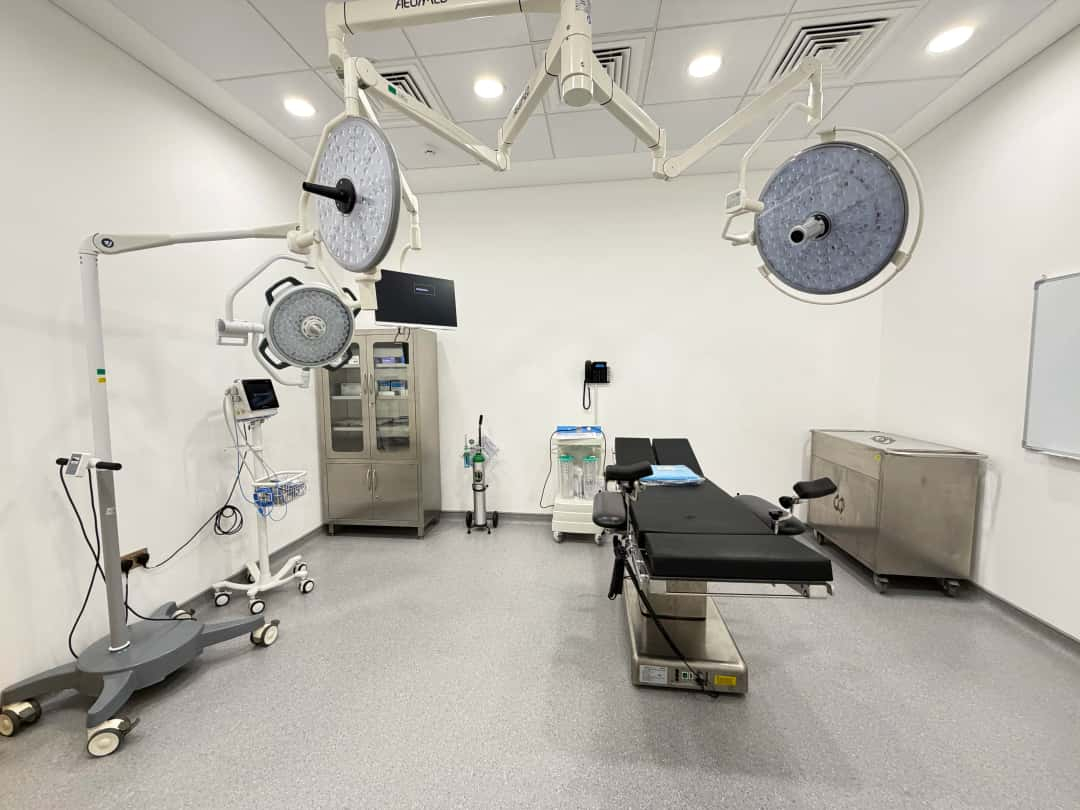
A successful surgery is only one part of the brain tumour treatment journey. Recovery and rehabilitation are equally important in helping patients regain function, improve quality of life, and return to daily activities. As advancements in neurosurgery continue to improve outcomes, patients undergoing brain tumour surgery in Dubai benefit not only from advanced procedures but also from comprehensive post-operative care programs.
Understanding the recovery process can help patients and families feel more prepared and confident during this critical phase of treatment.
The Immediate Post-Surgery Period
Following brain tumour surgery, patients are typically monitored in a specialized recovery or intensive care unit. During this period, medical teams carefully observe neurological function, vital signs, and overall recovery progress.
Common experiences after surgery may include:
- Fatigue
- Temporary headaches
- Mild confusion
- Swelling around the surgical area
- Balance difficulties
These symptoms often improve gradually as the body heals.
Factors That Influence Recovery
Every patient’s recovery experience is different. Several factors can affect healing and rehabilitation outcomes.
Tumour Location
Tumours located near critical brain regions may require additional rehabilitation support after surgery.
Overall Health
Patients in good general health often recover more quickly than those with underlying medical conditions.
Surgical Complexity
The extent of tumour removal and the complexity of the procedure can influence recovery timelines.
These factors highlight the importance of individualized post-operative care plans.
Rehabilitation as a Key Part of Recovery
Rehabilitation helps patients regain physical, cognitive, and emotional function after surgery.
Physical Therapy
Physical therapists work with patients to improve strength, mobility, coordination, and balance.
Occupational Therapy
Occupational therapists help individuals relearn daily activities such as dressing, cooking, and personal care.
Speech Therapy
Patients experiencing communication or swallowing difficulties may benefit from specialized speech therapy programs.
Cognitive Rehabilitation
Some patients require support to improve memory, concentration, and problem-solving abilities.
Comprehensive rehabilitation significantly contributes to long-term recovery success.
The Role of Follow-Up Care
Regular follow-up appointments allow healthcare providers to monitor progress and identify potential concerns early.
These appointments often include:
- Neurological examinations
- Imaging studies
- Medication adjustments
- Recovery assessments
Patients are encouraged to maintain open communication with their healthcare team throughout the recovery process.
Emotional and Psychological Support
A brain tumour diagnosis can create emotional challenges for both patients and family members.
Common concerns include:
- Anxiety about recurrence
- Fear of complications
- Adjusting to lifestyle changes
- Managing stress during recovery
Access to counseling and support services can help individuals navigate these challenges while maintaining emotional well-being.
Why Specialist Guidance Matters
Recovery outcomes are often influenced by the expertise of the medical team overseeing treatment.
Experienced neurosurgeons understand the importance of comprehensive post-operative care and long-term patient monitoring. Specialists such as Op. Dr. Fatih Kırar recognize that successful treatment extends beyond surgery itself and includes ongoing support throughout recovery.
Patients benefit most when healthcare providers prioritize both clinical outcomes and overall quality of life.
Comprehensive Healthcare Support
Modern healthcare increasingly emphasizes coordinated treatment pathways that bring multiple specialists together.
DRFK Turkish Medical Centre exemplifies this approach by focusing on integrated patient care and multidisciplinary collaboration. Such facilities help ensure patients receive continuous support from diagnosis through rehabilitation and long-term follow-up.
This coordinated model reduces treatment gaps and enhances the overall patient experience.
Recovery Tips for Patients
Patients can support their recovery by:
- Following medical instructions carefully
- Attending all follow-up appointments
- Participating actively in rehabilitation programs
- Maintaining a healthy diet
- Getting adequate rest
- Seeking emotional support when needed
Small daily improvements often lead to significant long-term progress.
Conclusion
Recovery is a vital component of successful brain tumour treatment. Patients undergoing brain tumour surgery in Dubai benefit from advanced surgical care, specialized rehabilitation programs, and comprehensive follow-up services designed to support long-term health and well-being.
With guidance from experienced professionals such as Op. Dr. Fatih Kırar and patient-centered institutions like DRFK Turkish Medical Centre, individuals can access the resources needed to achieve the best possible recovery outcomes.
 Spanish
 English
 Arabic
 French
 Portuguese
 Deutsch
 Turkish
 Dutch
Dutch
 Italiano
 Russian
 Romaian
 Portuguese (Brazil)
 Greek
Greek
