


 Pro Benefits
 Sobre
Sobre
 Termos
 Privacidade
 Child Safety & Protection
 Notificações
 Ayrush Global It Services Pvt Ltd
What's the Installation Process for Blast Windows?
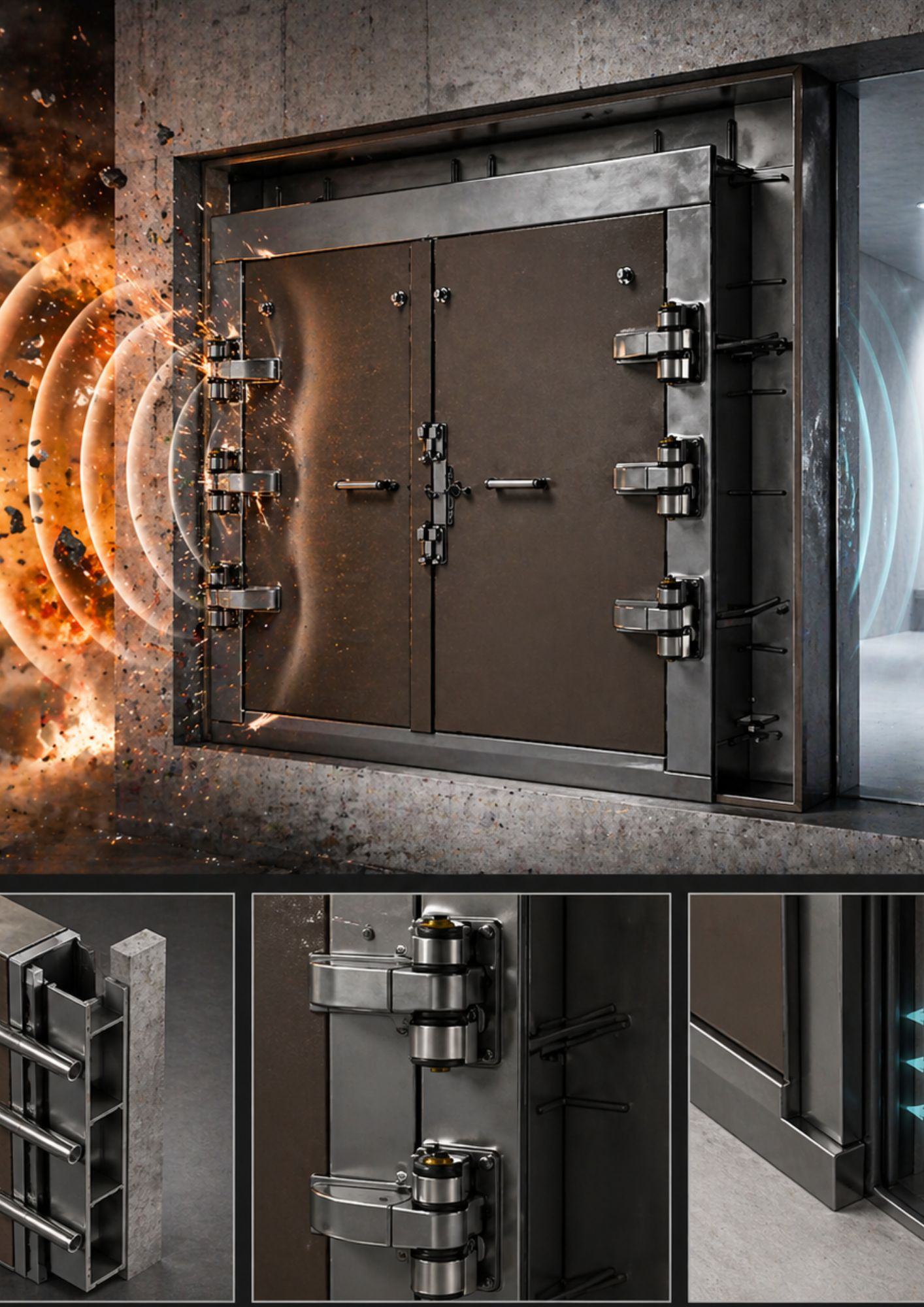
A night shift engineer at a coastal LNG terminal watches as contractors prepare an equipment room façade for a retrofit. The plant’s risk assessment identified façade glazing as a probable source of secondary injuries during low-order blasts. The crew must install blast-rated glazing without interrupting critical operations — a common real-world scenario that makes the question “What’s the installation process for blast windows?” immediately practical for facility owners and security engineers.
A blast window is an engineered assembly designed to limit pressure transmission, retain fragments, and maintain structural continuity during and after an explosive event. Correct installation is as important as the glazing specification because anchors, frame detailing and integration with the surrounding structure determine real-world performance. In industrial, defence and critical infrastructure settings, an installation procedure that follows blast window design intent and standards reduces casualty risk and operational downtime.
Pre-installation planning
-
Risk assessment and blast-load definition: Define the design impulse using site-specific scenarios (charge type, standoff distances, environment). This drives the blast rating and glazing specification.
-
Structural survey: Inspect surrounding wall construction, slab or steel frame to confirm anchorage locations and reinforcement needs.
-
Coordination with stakeholders: Plan for HVAC, electrical penetrations, and temporary containment to avoid disrupting control rooms or sensitive equipment.
-
Procurement validation: Verify manufacturer test reports, certification, and that the chosen blast window matches documented blast window design parameters.
Site preparation and logistics
-
Access and staging: Arrange cranes, lifts, scaffold, and secure storage for heavy laminated units. Blast resistant glass and framed assemblies are heavy and require careful handling.
-
Environmental controls: Maintain dry, clean conditions for sealants and bedding materials. Coastal or petrochemical sites may require corrosion-protection protocols.
-
Safety procedures: Establish exclusion zones, lifting plans, and PPE protocols for handling large glazing units and frames.
Installation sequence (high level)
-
Openings verification: Confirm dimensions, tolerance, plumb and level of openings against shop drawings. Tolerances for blast assemblies are tighter than standard fenestration.
-
Structural reinforcement: Install required reinforcement plates, backing angles, or embedded anchors. Where structural members are inadequate, add local reinforcement so load paths match the design assumptions.
-
Frame installation: Fit the primary frame using engineered anchors. Use controlled-yield anchorage where specified to allow energy dissipation. Torque anchors per manufacturer and engineering specifications.
-
Glazing fitment: Place laminated glazed units into the frame with specified gaskets, bedding compounds and bite depths. Ensure interlayers and edge treatments are intact and facing correctly.
-
Sealing and retention: Apply perimeter sealants compatible with interlayers and frame materials. Install mechanical retention (clips, pressure plates) per test-certified details to preserve fragment retention under impulse.
-
Final adjustment: Check uniform pressure on gaskets, verify no point loads on glass edges, and ensure drainage/weep paths are clear.
-
Commissioning and documentation: Record as-built anchor locations, torque records, and photograph details. Retain manufacturer certificates and test reports with installation records.
Testing and verification
Functional verification may include controlled load checks, dimensional inspections and non-destructive anchor verification. Where required by contract, witness testing or third‑party sign-off validates that the installed blast window assembly matches certified test conditions.
How blast windows work (relevance to installation)
Installation must preserve the design’s energy-absorption and fragment-retention mechanisms. Laminated blast resistant glass and interlayers absorb shear and retain shards; frames and anchors distribute impulse into structural elements. Improper anchorage or overly rigid restraint changes load paths and can transform ductile failure modes into brittle ones.
Key features installers must protect
-
Blast resistance: Maintain certified frame-glazing interfaces exactly as tested.
-
Fragment retention capability: Ensure interlayer continuity and mechanical retention systems are intact.
-
Structural reinforcement: Reinforcements must be installed per design to create intended load paths.
-
Corrosion resistance and durability: Use specified coatings and fasteners to match site environment.
-
Weather and energy performance: Preserve thermal breaks and seals during installation to retain long-term efficiency.
-
Low maintenance considerations: Install so seals and access points allow future inspection without degrading performance.
Applications and operational considerations
Installations vary by application — military facilities and ammunition depots require tighter chain-of-custody for materials and often full-scale witnessed tests. Oil & gas, petrochemical plants and power stations prioritize continuity of control systems, requiring phased installation and temporary protective measures. Data centres and government buildings may require simultaneous security upgrades (forced-entry and blast performance).
Cost and investment drivers
Installation cost drivers include required blast rating, glazing weight and handling logistics, frame complexity, structural reinforcement scope and site-specific access constraints. Skilled engineering supervision and third‑party verification increase initial cost but lower lifecycle risk, insurance exposure, and potential operational losses.
Buyer’s guide for installation readiness
-
Select blast resistant window manufacturers with demonstrated installation support.
-
Confirm manufacturer-supplied anchor schedules, torque values, and shop drawings.
-
Require site supervision by a specialist blast engineer during critical phases.
-
Insist on third-party inspection and documented commissioning.
-
Verify maintenance and inspection protocols are provided with delivery.
Common installation mistakes to avoid
-
Installing to nominal dimensions without checking tolerance vs. shop drawings.
-
Using standard anchors where engineered anchors were specified.
-
Neglecting reinforcement of surrounding structure, altering load paths.
-
Allowing weather or contamination to compromise sealants or interlayers.
-
Omitting torque verification and installation documentation.
For facility managers considering retrofit options — from industrial control rooms to a Blast window for home in high-risk residential zones — prioritize engineering-backed installation and documented performance rather than lowest upfront cost. Quality installation preserves the designed energy absorption and fragment retention and ensures the assembly performs as the certified blast window design intended.
Conclusion
The installation process for a blast window is a controlled engineering operation: precise surveying, correct reinforcement, certified anchorage, careful glazing fitment and documented commissioning. A blast window installed to design intent reliably reduces flying-glass hazards and pressure transmission, safeguarding people and critical infrastructure. Proper installation is an investment in resilience; execute it to standards to convert product capability into real-world protection.
 Portuguese
 English
 Arabic
 French
 Spanish
 Deutsch
 Turkish
 Dutch
Dutch
 Italiano
 Russian
 Romaian
 Portuguese (Brazil)
 Greek
Greek
