



A bjj gi custom uniform is more than a personalised training outfit. It can help an academy organise its team, express its identity, and give athletes clothing suited to their training needs. Before the first grip is taken, a gi already has a job: it must fit properly, allow movement, and remain dependable through regular practice. Custom details should support these practical needs rather than distract from them.
A uniform does not make someone a better grappler by itself. Skill comes from learning, consistency, coaching, and time on the mat. However, a well-planned gi can make training feel more organised and help a club present a recognisable identity. The smartest choices begin with purpose, not decoration.

Table of Contents
-
A uniform should solve a real training need
-
Start with the job, not the artwork
-
Fit, fabric, and construction
-
Custom details that earn their place
-
Choosing quality and comparing value
-
A practical ordering plan
-
Care that protects the investment
-
Women's team requirements
-
Frequently asked questions
A Uniform Should Solve a Real Training Need
A team uniform has several responsibilities. It should allow movement, feel comfortable during drills, tolerate regular washing, and look appropriate for the academy. For a club, it can also make group photographs, events, and team sessions feel coordinated. These goals are connected, but they are not identical. A design that looks striking in a product photograph may not be the best choice for everyday training.
Begin by asking what the uniform is expected to do. Is it mainly for daily classes, competition preparation, new-member kits, or a special team collection? A club that trains several times each day may need durability and easy care above unusual styling. An academy ordering a limited batch may care more about flexible sizing and manageable order quantities.
Give every detail a purpose
Think of the uniform as training equipment. A patch should identify the academy or represent a team group. Reinforced stitching should support areas that experience strain. A comfortable cut should let athletes move through guard work, standing drills, and ground transitions without constant adjustment.
When a feature has no clear purpose, consider leaving it out. Extra decoration can increase cost without improving the training experience. A clean design with a few meaningful details can be more useful than a crowded uniform.
Start with the Job, Not the Artwork
Before choosing colours or embroidery, write a short brief. A useful brief states who will wear the gi, how often it will be used, what fit is needed, and which custom details are essential. This keeps decisions focused and makes it easier to compare product options fairly.
A simple purpose checklist
-
Identify the main users: adults, youth, beginners, advanced students, or a mixed academy.
-
Decide whether the gi is for daily classes, events, or competition use.
-
Estimate how many uniforms are needed now and whether more will be ordered later.
-
Set a practical budget that includes customisation, delivery, and possible replacement sizes.
-
Choose the details that matter most, then remove anything that adds cost without adding value.
A clear brief also reduces avoidable revisions. If an academy changes its logo placement, colour choice, or size range after production begins, the order may take longer or cost more. Confirming the details early helps everyone understand what the finished uniform should look like.
Fit, Fabric, and Construction
The most attractive uniform can become frustrating if the fit is wrong. A gi should allow an athlete to raise their arms, bend, turn, squat, and move on the floor without feeling restricted. It should not be so loose that sleeves and trousers become difficult to manage. Fit varies by body shape and manufacturer, so a size chart is a starting point rather than a guarantee.
What to inspect before ordering
|
Feature |
What to check |
Why it matters |
|
Jacket fit |
Shoulder room and sleeve length |
Supports comfortable movement |
|
Trouser fit |
Waist security and leg length |
Reduces constant adjustment |
|
Fabric |
Weight, feel, and weave |
Affects comfort and everyday use |
|
Seams |
Stitching at stress points |
Supports repeated training |
|
Closure |
Drawstring or approved fastening |
Helps keep trousers secure |
|
Shrinkage |
Care instructions and sizing notes |
Reduces fit surprises after washing |
Fabric weight alone does not tell the whole story. A heavier gi is not automatically stronger, and a lighter one is not automatically weak. Weave, stitching, finishing, and care all influence how a uniform performs. Ask for clear fabric information and follow the washing guidance supplied with the product.
Check movement before approving a batch
If possible, test a sample through normal training movements. Have the wearer reach overhead, grip, squat, pivot, and perform a few controlled ground movements. Check whether the jacket pulls across the back, whether the trousers stay in place, and whether the sleeves or cuffs feel awkward. A short fitting session can reveal issues that a size chart cannot.
Custom Details That Earn Their Place
Customisation works best when it makes the uniform recognisable without making it difficult to wear. A club name, a small emblem, or a consistent colour accent may be enough. Too many patches can create a crowded appearance and may add cost or placement complications. A restrained design can remain useful for longer because it does not depend on a short-lived trend.
Choose placement carefully
Before production, request a clear placement preview. Check the size of each logo, its distance from seams, and whether it will remain visible when the jacket is worn. Confirm spelling, colours, and artwork quality. If the academy uses a symbol, make sure the image file is clear enough for the selected embroidery or printing process.
Use this planning table before approving the final design:
|
Design choice |
Decision to record |
|
Main colour |
Approved colour name or sample |
|
Academy mark |
Exact artwork and spelling |
|
Placement |
Sleeve, chest, shoulder, or agreed area |
|
Decoration |
Embroidery, patch, or print |
|
Size range |
Sizes and quantities required |
|
Approval |
Person authorised to sign off |
The academy should also think about future orders. A design that depends on a seasonal slogan or one-time event may be harder to reuse. A stable identity system makes it easier to order replacement uniforms and welcome new students without changing the whole look.
Choosing Quality and Comparing Value
When researching good gi brands, avoid judging a uniform by its logo or product photograph alone. Focus on information that helps an academy make a reliable decision: size guidance, fabric details, construction, care instructions, customisation options, delivery estimates, and support if an item arrives with a problem.
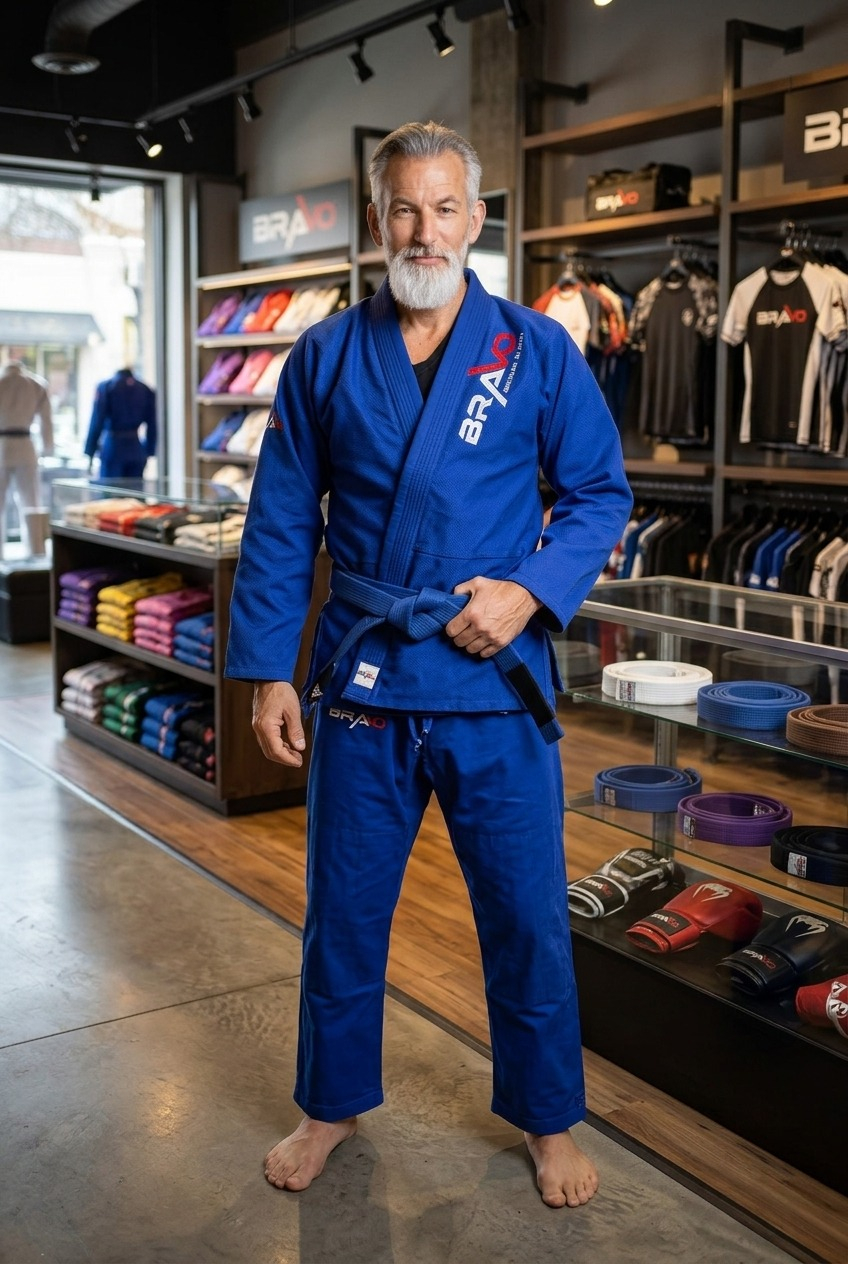
A low initial price may not represent the best value if sizing is unclear, decoration is inconsistent, or replacement orders are difficult. On the other hand, a high price does not automatically prove that a gi is suitable. Value comes from matching the product to the training schedule and the club's actual needs.
A weighted comparison method
The following example is an illustrative scoring model, not a rating of real suppliers. Give each factor a score from one to five, then multiply it by the factor's weight. An academy can adjust the weights to reflect its priorities.
|
Evaluation factor |
Suggested weight |
|
Fit and size guidance |
25% |
|
Construction information |
25% |
|
Fabric and care details |
20% |
|
Customisation clarity |
15% |
|
Ordering support |
10% |
|
Price transparency |
5% |
Example priority graph
Illustrative priorities for an academy comparing uniform options:
|
Priority |
Weight |
Visual guide |
|
Fit and size guidance |
25% |
██████████ |
|
Construction information |
25% |
██████████ |
|
Fabric and care |
20% |
████████ |
|
Customisation clarity |
15% |
██████ |
|
Ordering support |
10% |
████ |
|
Price transparency |
5% |
██ |
This graph shows a suggested decision framework, not measured market data. It places fit and construction first because an academy needs uniforms that work during training. A different club may adjust the weights if it has a special event, a strict budget, or a particular ordering requirement.
A Practical Ordering Plan
A smooth order usually follows a few simple stages. Skipping a stage can create confusion later, especially when several sizes or custom details are involved.
From idea to delivery
-
Define the purpose and the people who will wear the uniform.
-
Prepare the artwork, colours, size range, and quantity estimate.
-
Request product details, a size chart, and a written quotation.
-
Review a sample or digital proof before approving production.
-
Confirm spelling, placement, sizes, quantities, and delivery timing.
-
Check the delivered order against the approved details.
-
Record the final specifications so future orders can match.
Flowchart
Training needs → Written brief → Product and size review → Artwork proof → Sample approval → Order confirmation → Delivery inspection
Keep one person responsible for final approval. When multiple people send separate edits, small differences can be missed. A single approved version of the artwork and order sheet gives everyone the same reference.
Plan quantities with care
Do not guess the size breakdown based on the number of students alone. Ask members for their preferred sizes, check the supplier's measurement guidance, and allow time for people to try a sample if possible. Keep a record of the final distribution. This helps the academy identify which sizes are commonly needed for future orders.
It may also be useful to separate the first order from later replacements. A club can begin with a practical batch, review how the uniforms perform, and then reorder once it has feedback. This reduces the risk of committing to a large quantity before fit and construction have been tested in real classes.
Care That Protects the Investment
A gi is exposed to sweat, friction, repeated washing, and frequent drying. Basic care helps maintain its condition. Follow the product's label first, because washing recommendations can vary by fabric and decoration. In general, wash training clothing promptly after use, avoid leaving damp uniforms in a closed bag, and dry them fully before storage.
Do not assume that very hot water or high dryer heat will improve cleanliness. Excessive heat can affect fabric, fit, and decoration. Use a suitable detergent, avoid harsh treatment unless the care label permits it, and check seams and drawstrings from time to time. If a small issue appears, dealing with it early may prevent a larger repair later.
For academies, a short care guide can be included with each uniform. It should explain washing, drying, storage, and how to report a problem. Clear instructions are especially useful for younger students and new members who may be unfamiliar with caring for a training gi.
Women's Team Requirements
A club ordering bjj gi womens uniforms should consider fit as carefully as it considers colour and team identity. Female athletes may have different preferences for jacket shape, sleeve length, trouser rise, waist adjustment, and overall proportions. A size label alone does not guarantee a comfortable fit, so measurement guidance and sample try-ons can be valuable.
Ask the people who will wear the uniforms for feedback before confirming a large order. Check shoulder movement, jacket length, trouser comfort, and whether the uniform stays in place during normal drills. Offer a useful range of sizes and avoid assuming that every athlete will prefer the same cut.

A coordinated design can still allow different fits, helping the team look consistent without forcing everyone into one shape. Academy managers can collect feedback privately, record the requested sizes, and confirm the final order with each wearer. This small step can reduce exchanges and make team members feel included in the decision.
Frequently Asked Questions
What does a custom BJJ gi usually include?
It may include selected colours, academy logos, patches, embroidery, or other agreed design details. The exact options depend on the product and supplier. Confirm what is included in the quoted price before approving an order.
Is a custom gi suitable for everyday classes?
It can be, provided the fabric, construction, fit, and decoration are appropriate for regular training. Check care instructions and make sure custom details do not interfere with comfort or movement.
Should an academy order a sample first?
A sample is useful when the club is ordering several uniforms or using a new size range. It lets members check fit and gives the academy a chance to review fabric and decoration before approving the full batch.


