


 Pro Benefits
 About
About
 Koşullar
 Gizlilik
 Child Safety & Protection
 Bildirimler
 Ayrush Global It Services Pvt Ltd
Language Development for Early Childhood: Building Strong Communication Skills
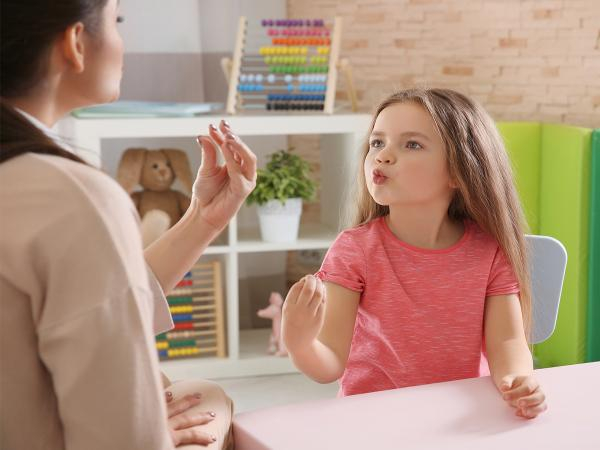
Language Development for Early Childhood is a critical part of a child's overall growth and learning journey. During the early years, children develop the ability to understand words, express their thoughts, communicate with others, and build meaningful relationships. Strong language skills lay the foundation for academic success, social development, and emotional well-being.
Why Language Development Is Important
Language helps children communicate their needs, understand instructions, and interact with the world around them. Effective language development supports cognitive growth, problem-solving abilities, creativity, and literacy skills. Children with strong communication abilities are often better prepared for school and social situations.
Stages of Language Development in Early Childhood
Birth to 12 Months
Babies begin recognizing voices, responding to sounds, and making cooing or babbling noises. These early interactions form the basis of future communication skills.
1 to 2 Years
Toddlers start saying their first words and gradually build their vocabulary. They begin using simple phrases to communicate their needs and emotions.
2 to 3 Years
Children learn to combine words into short sentences and understand more complex instructions. Their vocabulary expands rapidly during this stage.
3 to 5 Years
Preschoolers become more confident communicators, using complete sentences, asking questions, and participating in conversations with others.
Factors That Influence Language Development
Family Interaction
Regular conversations with parents and caregivers help children learn new words and language patterns.
Reading and Storytelling
Books expose children to a rich vocabulary and improve comprehension skills.
Social Experiences
Playing and interacting with peers encourage communication and language use.
Learning Environment
A supportive and language-rich environment promotes healthy language development.
Understanding Language Challenges
While every child develops at their own pace, some may experience delays or difficulties with communication. Language Disorders in Children can affect their ability to understand language, express thoughts, or communicate effectively. Early recognition of these challenges and professional support can help children develop stronger communication skills and improve their overall developmental outcomes.
Activities to Encourage Language Development
Talk Throughout the Day
Engage children in conversations during daily activities to build vocabulary and communication skills.
Read Books Together
Reading regularly helps improve language comprehension and introduces new words.
Encourage Questions
Allow children to ask questions and express their thoughts freely.
Use Songs and Rhymes
Music and rhyming activities help improve listening skills and language learning.
Tips for Parents
- Speak clearly and regularly with your child.
- Listen attentively and respond to their communication attempts.
- Limit excessive screen time and encourage interactive play.
- Create opportunities for social interaction and conversation.
- Celebrate progress and encourage confidence in communication.
Conclusion
Language Development for Early Childhood plays a vital role in a child's communication, learning, and social success. By providing a supportive environment, engaging in meaningful conversations, and encouraging language-rich activities, parents can help children develop strong communication skills. Early identification of communication difficulties, including Language Disorders in Children, can ensure timely intervention and better developmental outcomes.
 Turkish
 English
 Arabic
 French
 Spanish
 Portuguese
 Deutsch
 Dutch
Dutch
 Italiano
 Russian
 Romaian
 Portuguese (Brazil)
 Greek
Greek
