


 Pro Benefits
 Sobre
Sobre
 Termos
 Privacidade
 Child Safety & Protection
 Notificações
 Ayrush Global It Services Pvt Ltd
Understanding Lubricants and Their Purpose
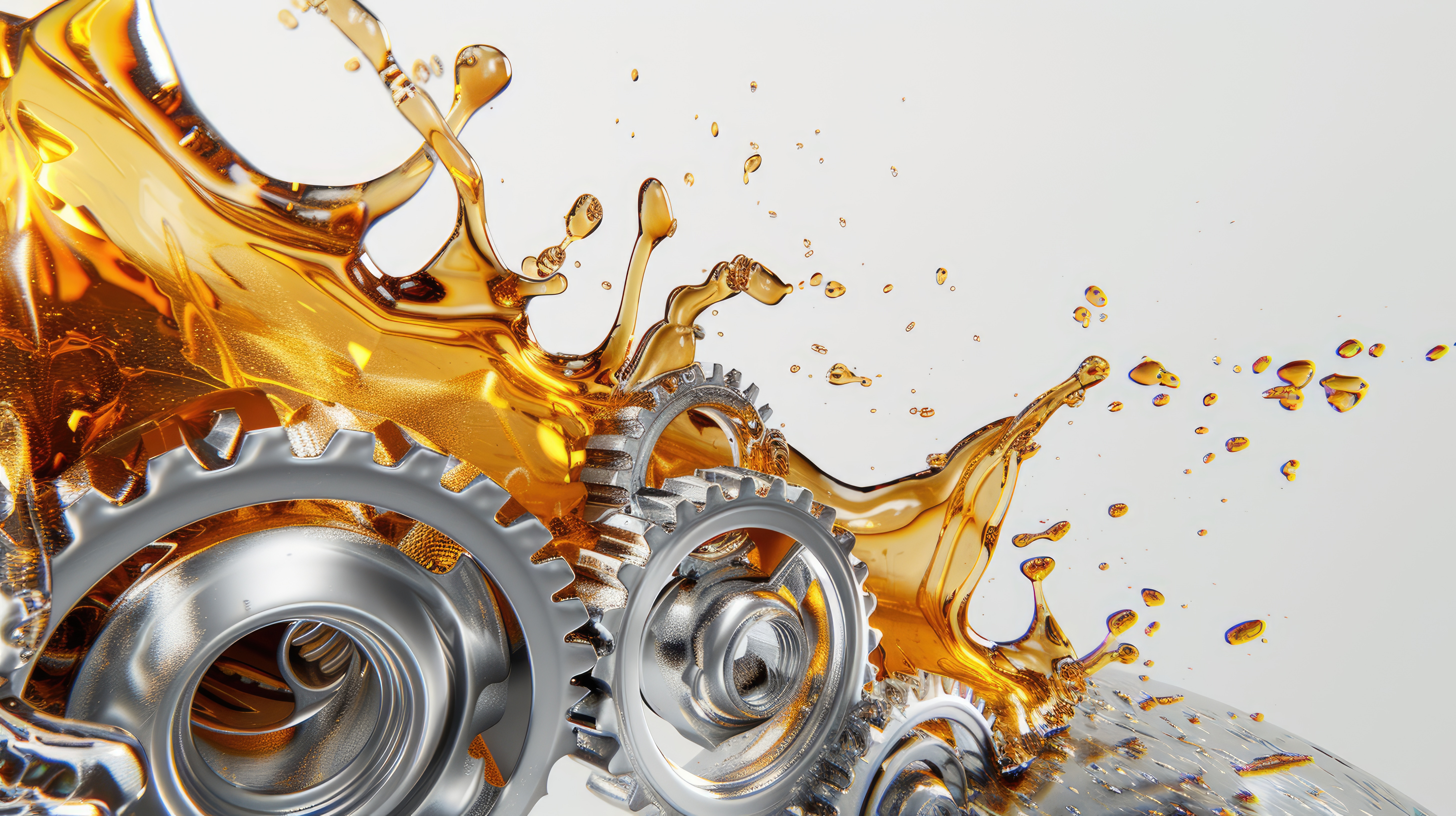
Fuel economy is one of the most important concerns for vehicle owners, fleet operators, and businesses that depend on transportation. Rising fuel costs and increasing environmental awareness have encouraged drivers to look for practical ways to reduce fuel consumption without compromising vehicle performance. One of the most effective yet often overlooked factors influencing fuel efficiency is the quality and type of lubricant used in a vehicle.
Modern engines are designed with precision components that operate under extreme temperatures and pressure. Without proper lubrication, these components create excessive friction, leading to higher fuel consumption and increased wear. High-quality automotive lubricants play a crucial role in reducing friction, improving engine performance, and helping vehicles achieve better fuel economy.
Lubricants are specialized fluids designed to reduce friction between moving parts. In automotive applications, lubricants create a protective film that separates metal surfaces, preventing direct contact and minimizing wear.
The primary functions of lubricants include:
-
Reducing friction
-
Preventing wear and tear
-
Controlling engine temperature
-
Protecting against corrosion
-
Removing contaminants
-
Improving overall efficiency
When an engine operates efficiently, it requires less energy to perform the same task. As a result, fuel consumption decreases, leading to improved fuel economy.
The Connection Between Friction and Fuel Consumption
How Friction Affects Engine Performance
Every engine contains numerous moving components such as pistons, crankshafts, bearings, and valves. These parts constantly interact while the engine is running. Without lubrication, metal-to-metal contact creates resistance that forces the engine to work harder.
The harder the engine works, the more fuel it consumes.
Lubricants help create a thin protective layer between moving surfaces, reducing resistance and allowing components to move more smoothly. This reduction in friction directly contributes to better fuel efficiency.
Energy Loss Due to Friction
A significant percentage of engine energy can be lost due to internal friction. When friction increases, more fuel energy is converted into heat rather than useful power.
By minimizing friction, lubricants allow more of the fuel's energy to be used for vehicle movement instead of overcoming internal resistance.
How Modern Lubricants Improve Fuel Economy
Lower Viscosity Formulations
Viscosity refers to a lubricant's resistance to flow. Modern low-viscosity lubricants flow more easily through the engine and reach critical components faster.
Benefits include:
-
Reduced pumping losses
-
Faster circulation during cold starts
-
Lower internal resistance
-
Improved engine responsiveness
Manufacturers often recommend specific viscosity grades that optimize fuel efficiency while maintaining adequate protection.
Advanced Additive Technology
Modern lubricants contain advanced additives that enhance performance beyond basic lubrication.
These additives can:
-
Reduce friction further
-
Prevent sludge formation
-
Improve oxidation resistance
-
Maintain cleanliness
-
Protect components from wear
A cleaner and more efficient engine consumes less fuel and delivers better overall performance.
Improved Thermal Stability
Engines generate substantial heat during operation. Poor-quality lubricants may break down under high temperatures, losing their protective properties.
High-quality lubricants maintain stability even under extreme conditions. This ensures consistent performance and prevents efficiency losses caused by lubricant degradation.
Fuel Economy Benefits During Cold Starts
Why Cold Starts Matter
A large portion of engine wear occurs during startup, especially in colder conditions. When the engine is cold, lubricants are thicker and take longer to circulate.
During this period:
-
Friction increases
-
Fuel consumption rises
-
Engine components experience greater stress
Modern synthetic lubricants flow more quickly at low temperatures, providing immediate protection and reducing energy losses.
Faster Lubrication Equals Better Efficiency
When lubricant reaches engine components faster, the engine achieves optimal operating conditions sooner.
This leads to:
-
Reduced fuel consumption
-
Lower emissions
-
Improved engine protection
-
Enhanced driving performance
For vehicles used in frequent stop-and-go traffic, these benefits can result in noticeable fuel savings over time.
The Role of Synthetic Lubricants
What Makes Synthetic Lubricants Different?
Synthetic lubricants are engineered using advanced chemical processes that create uniform molecular structures.
Compared to conventional oils, they offer:
-
Better viscosity control
-
Superior thermal stability
-
Enhanced wear protection
-
Longer service life
These characteristics contribute significantly to improved fuel economy.
Reduced Internal Drag
Synthetic lubricants maintain consistent flow characteristics across a wide temperature range. This reduces internal drag within the engine and transmission.
As a result:
-
Components move more freely
-
Engine efficiency improves
-
Fuel consumption decreases
Many vehicle manufacturers recommend synthetic lubricants specifically to support fuel-saving goals.
Impact on Engine Longevity
Cleaner Engine Operation
Over time, contaminants such as dirt, carbon deposits, and sludge can accumulate within an engine.
High-quality lubricants help:
-
Suspend contaminants
-
Prevent deposit formation
-
Maintain cleaner internal surfaces
A cleaner engine operates more efficiently and requires less energy to perform.
Reduced Wear and Tear
Excessive wear increases clearances between engine components, reducing efficiency.
Effective lubrication minimizes wear by:
-
Protecting metal surfaces
-
Reducing friction
-
Preventing scoring and damage
An engine that remains in good condition throughout its lifespan is more likely to maintain optimal fuel economy.
Transmission Lubricants and Fuel Efficiency
Importance of Transmission Lubrication
While engine oil receives most of the attention, transmission lubricants also influence fuel economy.
The transmission transfers power from the engine to the wheels. Internal friction within gears and bearings can reduce efficiency if lubrication is inadequate.
Benefits of High-Performance Transmission Fluids
Quality transmission lubricants help:
-
Reduce gear friction
-
Improve shifting performance
-
Minimize heat generation
-
Enhance power transfer efficiency
These factors contribute to overall fuel savings and smoother vehicle operation.
Lubricants in Commercial Fleets
Fuel Costs and Fleet Management
For commercial fleets, even small improvements in fuel economy can result in substantial savings.
Fleet operators often focus on:
-
Route optimization
-
Driver behavior
-
Vehicle maintenance
However, lubricant selection is another critical factor that can significantly affect operating costs.
Long-Term Savings
Using premium lubricants may involve a higher initial investment, but the long-term benefits often outweigh the cost.
Advantages include:
-
Lower fuel consumption
-
Extended maintenance intervals
-
Reduced engine wear
-
Increased equipment reliability
Many fleet managers work closely with industrial lubricant distributors in uae to select products that maximize performance and efficiency.
Environmental Benefits of Fuel-Efficient Lubricants
Lower Carbon Emissions
When vehicles consume less fuel, they produce fewer greenhouse gas emissions.
Fuel-efficient lubricants contribute to environmental sustainability by:
-
Reducing fuel usage
-
Lowering carbon dioxide emissions
-
Supporting cleaner engine operation
These benefits align with global efforts to improve energy efficiency and reduce environmental impact.
Supporting Sustainable Transportation
Governments and organizations worldwide continue to promote energy-efficient technologies.
Lubricants play an important role in these initiatives by helping vehicles:
-
Meet efficiency standards
-
Reduce environmental impact
-
Operate more sustainably
This makes lubricant selection an important consideration for both businesses and individual vehicle owners.
Choosing the Right Lubricant
Follow Manufacturer Recommendations
Vehicle manufacturers invest significant resources in determining the most suitable lubricant specifications.
Always consider:
-
Recommended viscosity grade
-
Performance standards
-
Operating conditions
-
Climate requirements
Using the correct lubricant helps ensure optimal fuel economy and engine protection.
Consider Driving Conditions
Different driving environments place unique demands on lubricants.
Factors include:
-
High temperatures
-
Heavy traffic
-
Long-distance driving
-
Off-road operation
Selecting a lubricant designed for specific operating conditions can further improve efficiency and reliability.
Work with Reliable Suppliers
Quality matters when selecting lubricants. Businesses often collaborate with trusted industrial lubricant distributors in UAE to ensure consistent access to products that meet industry standards.
Reliable suppliers can provide guidance on selecting lubricants that balance performance, protection, and fuel efficiency.
Common Misconceptions About Lubricants and Fuel Economy
Thicker Oil Always Provides Better Protection
Many people assume thicker lubricants automatically offer better protection.
In reality, excessively thick lubricants can:
-
Increase resistance
-
Reduce fuel efficiency
-
Limit lubricant flow
Using the viscosity recommended by the manufacturer is usually the best choice.
All Lubricants Perform the Same
Not all lubricants are created equal.
Differences in:
-
Base oil quality
-
Additive technology
-
Manufacturing standards
can significantly affect fuel economy and equipment performance.
This is why selecting high-quality automotive lubricants is essential for achieving maximum efficiency.
Lubricants Alone Solve Fuel Economy Problems
Lubricants contribute to fuel savings, but they are only one part of the equation.
Other important factors include:
-
Tire pressure
-
Driving habits
-
Vehicle maintenance
-
Engine condition
Combining proper lubrication with good maintenance practices delivers the best results.
Final Thought
Lubricants play a vital role in determining how efficiently a vehicle uses fuel. By reducing friction, improving heat management, protecting engine components, and supporting smooth operation, high-quality automotive lubricants can help improve fuel economy while extending equipment life. Whether for personal vehicles, commercial fleets, or industrial applications, selecting the right lubricant can lead to measurable savings and enhanced performance. Working with experienced industrial lubricant distributors in uae can also help ensure access to products that support long-term efficiency goals. As fuel costs and environmental concerns continue to grow, investing in the right lubrication strategy remains one of the smartest decisions for maximizing vehicle performance and reducing operating expenses.
 Portuguese (Brazil)
 English
 Arabic
 French
 Spanish
 Portuguese
 Deutsch
 Turkish
 Dutch
Dutch
 Italiano
 Russian
 Romaian
 Greek
Greek
