


 Pro Benefits

 الشروط
 الخصوصية
 Child Safety & Protection
 الإشعارات
 Ayrush Global It Services Pvt Ltd
Key Challenges and Solutions in Pipeline Construction In Dubai
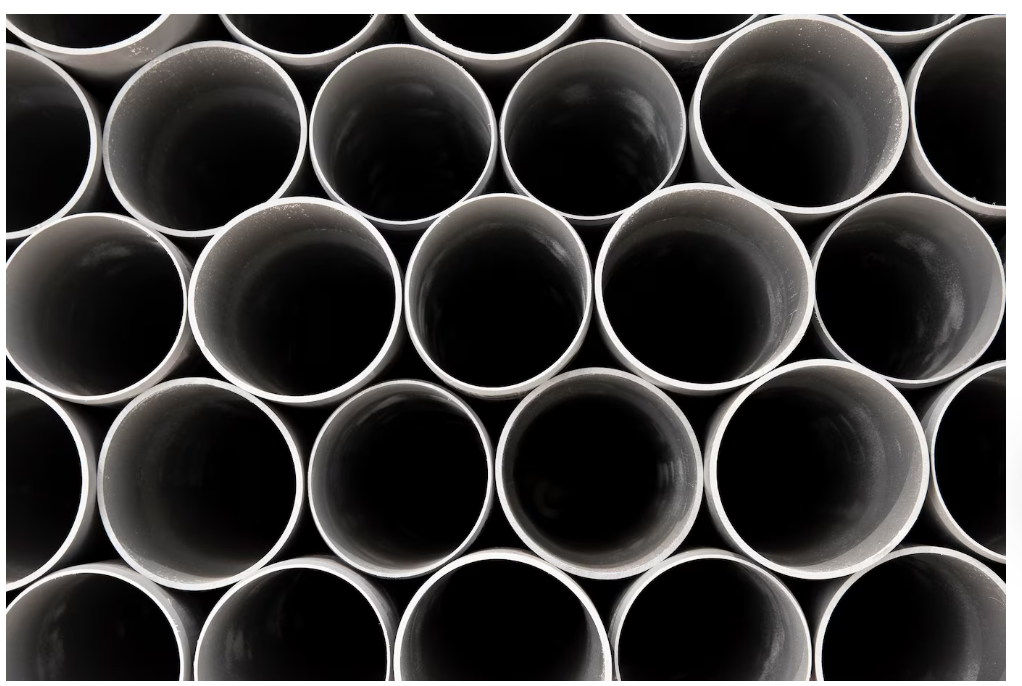
Modern cities depend on extensive underground infrastructure to deliver water, utilities, and essential services to residential, commercial, and industrial areas. Among these critical systems, pipelines play a vital role in supporting daily operations and long-term urban development. As cities continue to expand, the demand for reliable pipeline networks increases, making construction projects more complex and technically demanding.
Building pipeline systems involves far more than excavation and installation. Engineers and construction teams must navigate environmental conditions, logistical constraints, regulatory requirements, and safety considerations while ensuring long-term performance. Understanding the challenges commonly encountered during pipeline projects can help stakeholders appreciate the planning and expertise required to deliver successful outcomes.
Challenge 1: Complex Ground Conditions
One of the most significant obstacles in pipeline projects is dealing with varying soil and ground conditions. Different locations may present loose sand, compacted soil, rocky terrain, or areas with fluctuating groundwater levels.
Unexpected subsurface conditions can affect excavation activities, installation methods, and project timelines. Without proper planning, these challenges may increase costs and create operational difficulties.
Solution: Comprehensive Site Investigations
Successful projects begin with detailed geotechnical studies. Soil analysis, ground surveys, and subsurface investigations provide valuable information before construction starts.
These assessments allow engineers to select suitable installation techniques and develop strategies that minimize risks associated with challenging terrain.
Challenge 2: Working Within Dense Urban Environments
Pipeline projects often take place in highly developed areas where space is limited and existing infrastructure is already in place. Roads, buildings, utility networks, and transportation systems can complicate construction activities.
Operating within busy urban environments requires careful coordination to avoid disruptions and maintain public safety.
Solution: Advanced Planning and Coordination
Effective planning helps construction teams identify potential conflicts before work begins. Utility mapping, traffic management plans, and stakeholder coordination reduce the likelihood of unexpected complications.
Careful scheduling also helps minimize inconvenience for businesses, residents, and road users during project execution.
Challenge 3: Maintaining Project Timelines
Large infrastructure projects frequently involve multiple phases and numerous stakeholders. Delays in one area can affect the entire construction schedule.
Weather conditions, permit approvals, material deliveries, and unforeseen site challenges may all impact project timelines.
Solution: Strong Project Management
Effective project management plays a critical role in maintaining progress. Detailed scheduling, resource allocation, and regular performance monitoring help teams stay aligned with project objectives.
Proactive risk management allows project leaders to address potential issues before they significantly affect delivery schedules.
Challenge 4: Protecting Existing Infrastructure
Underground environments often contain numerous utilities, including electrical systems, telecommunications networks, drainage lines, and other service connections.
Accidental damage to existing infrastructure can result in costly repairs, service interruptions, and safety concerns.
Solution: Accurate Utility Detection
Modern surveying technologies help identify the location of existing underground assets before excavation begins.
Accurate utility mapping reduces risks while allowing construction teams to work more confidently and efficiently around critical infrastructure.
Challenge 5: Managing Environmental Considerations
Infrastructure development must balance construction objectives with environmental responsibility. Excavation activities can affect surrounding ecosystems, water resources, and local communities if not managed carefully.
Environmental compliance has become an increasingly important aspect of modern construction projects.
Solution: Sustainable Construction Practices
Many projects now incorporate environmental management plans designed to reduce impacts throughout the construction process.
These plans may include erosion control measures, responsible material handling, waste reduction strategies, and monitoring programs that support environmental protection objectives.
Challenge 6: Ensuring Long-Term Durability
Pipelines are expected to operate reliably for decades. Poor installation practices or inadequate material selection can lead to premature failures, maintenance issues, and costly repairs.
Achieving long-term durability requires attention to every stage of the construction process.
Solution: Quality Assurance Programs
Comprehensive quality control procedures help verify that installation activities meet required standards.
Inspections, material testing, and performance evaluations contribute to the reliability and longevity of completed pipeline systems.
Challenge 7: Safety During Construction Activities
Pipeline projects involve excavation equipment, heavy machinery, confined spaces, and other operational hazards. Maintaining a safe work environment is essential for protecting workers and surrounding communities.
Safety risks increase when projects are conducted near populated areas or active transportation routes.
Solution: Comprehensive Safety Management
Strong safety programs include risk assessments, worker training, emergency planning, and continuous monitoring of site conditions.
A culture focused on safety helps reduce incidents while improving overall project performance.
Challenge 8: Traffic and Accessibility Concerns
Infrastructure projects frequently require temporary road closures, lane restrictions, or access modifications. These disruptions can affect traffic flow and create challenges for nearby businesses and residents.
Managing accessibility becomes particularly important in rapidly developing urban areas.
Solution: Effective Traffic Management Strategies
Construction teams often implement temporary traffic control measures designed to maintain mobility while work progresses.
Coordination with transportation authorities and infrastructure specialists helps reduce disruptions and improve project efficiency. In some cases, collaboration with professionals involved in Road Marking Contractors In Dubai services supports safer navigation through construction zones and temporary traffic arrangements.
The Importance of Innovation in Pipeline Projects
The construction industry continues to adopt new technologies that improve efficiency, accuracy, and project outcomes. Digital modeling, advanced surveying systems, and modern construction techniques help address many traditional challenges associated with pipeline development.
Innovation enables project teams to make better decisions, optimize resource utilization, and improve construction quality.
Leveraging Technology for Better Results
Technology-driven solutions provide greater visibility into project performance while supporting more accurate planning and execution.
These advancements help reduce uncertainty and contribute to more predictable project outcomes.
Building Infrastructure for Future Growth
Urban development places increasing demands on utility networks. Pipeline systems must be designed not only to meet current requirements but also to accommodate future expansion.
Long-term planning ensures that infrastructure investments continue delivering value as populations grow and service demands increase.
Projects involving Pipeline Construction In Dubai often reflect this forward-looking approach by emphasizing scalability, reliability, and long-term operational efficiency.
Supporting Sustainable Urban Development
Reliable utility infrastructure is essential for supporting economic growth and improving quality of life. Well-designed pipeline systems contribute to resilient communities capable of meeting future challenges.
Investment in durable infrastructure creates benefits that extend far beyond the construction phase.
Conclusion
Pipeline construction is a complex undertaking that requires careful planning, technical expertise, and effective project management. Challenges such as difficult ground conditions, urban constraints, environmental considerations, safety requirements, and infrastructure protection must all be addressed to ensure project success. Through innovative technologies, strong quality standards, and proactive problem-solving, construction teams can overcome these obstacles and deliver reliable pipeline systems that support sustainable development for many years to come.
 Arabic
 English
 French
 Spanish
 Portuguese
 Deutsch
 Turkish
 Dutch
Dutch
 Italiano
 Russian
 Romaian
 Portuguese (Brazil)
 Greek
Greek
