


 Pro Benefits
 About
About
 Termeni
 Confidențialitate
 Child Safety & Protection
 Notificări
 Ayrush Global It Services Pvt Ltd
Why Landlords Are Switching to Acrylic Splashbacks in Rentals
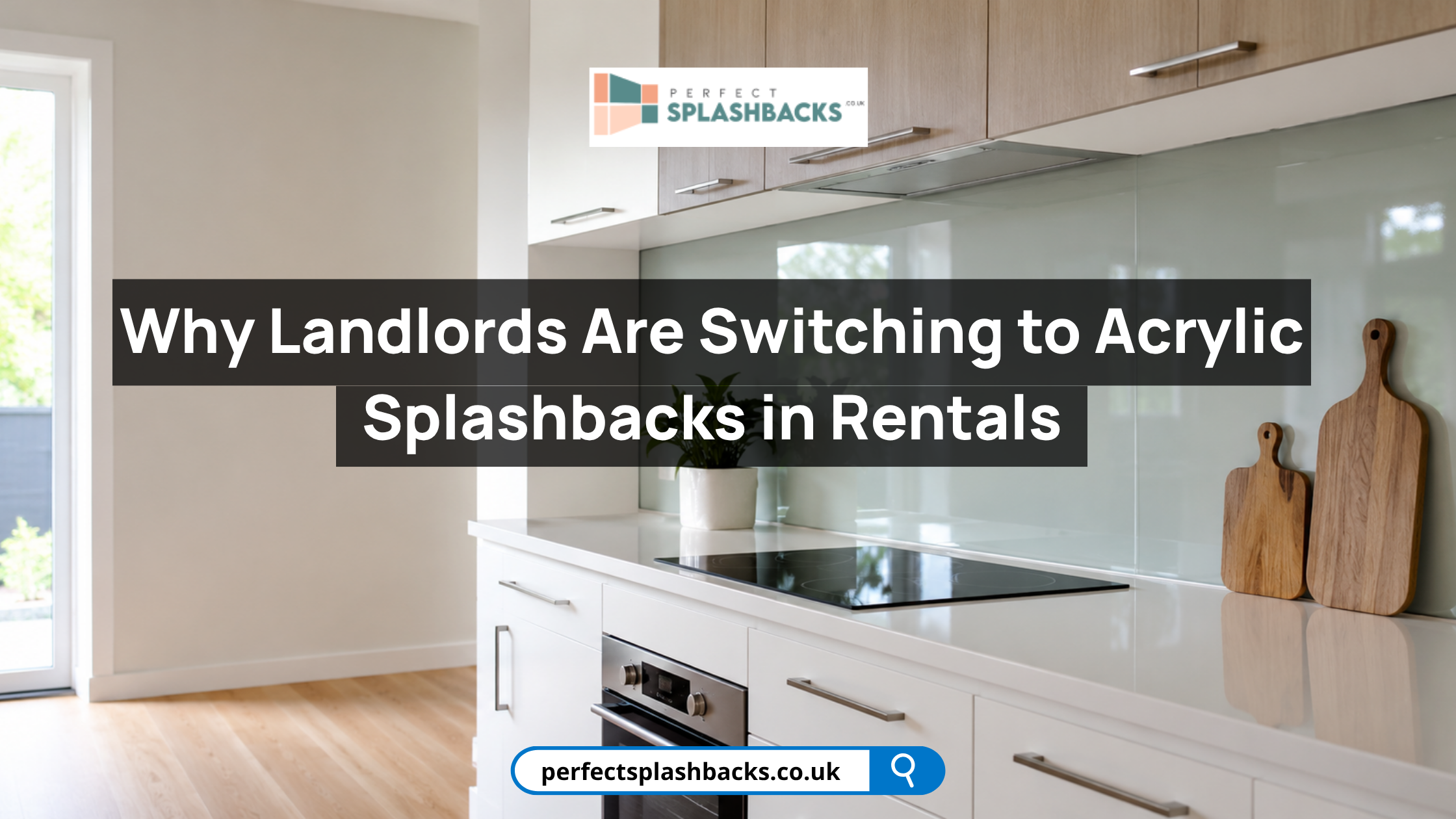
Landlords managing rental properties in the UK have a consistent problem. Kitchens and bathrooms take the most punishment during a tenancy, and the surfaces behind sinks and hobs show it faster than anywhere else.
Grout discolours within months. Tiles crack. Painted walls peel in steam. The cost of making these areas presentable between tenancies adds up significantly over time.
Acrylic splashbacks have become the practical answer for landlords who want a surface that holds up, cleans quickly, and does not need to be replaced every few years. Here is why the switch is happening across UK rental properties.
7 Reasons Landlords are Switching to Acrylic Splashbacks
1. They Last Considerably Longer Than Tiled Surfaces
Tiles in rental kitchens and bathrooms face heavy daily use.
What goes wrong with tiles over time:
-
Grout cracks and works loose
-
Individual tiles chip or break
-
Each repair is a separate call-out
-
Matching replacement tiles are often discontinued
A quality acrylic sheet panel has no joints or grout lines to fail. It resists impact, moisture, and daily cleaning without degrading. Landlords who switch consistently report fewer maintenance call-outs and a longer interval before any replacement is needed.
2. Cleaning Between Tenancies Takes Minutes
End-of-tenancy cleaning is one of the most costly aspects of rental property management. Grout accumulates cooking grease, mould, and discolouration that standard cleaning products cannot fully reverse.
An acrylic splashbacks for kitchens has a non-porous surface with no grout lines for bacteria or grease to sit in.
Cleaning routine:
-
Warm soapy water
-
Soft cloth
-
Done
No scrubbing, no specialist products, no professional intervention. For landlords turning over properties on a tight timeline, that is a meaningful practical difference.
3. Installation Does Not Require Trades
Tiling a kitchen wall requires:
-
A skilled tiler
-
Adhesive, grout, and spacers
-
Minimum two full days, including drying time
-
A matching tile if repairs are needed later
Acrylic panels are fixed to the existing wall surface using double-sided tape or a compatible adhesive. Socket cut-outs can be pre-drilled before the panel arrives. Most installations are completed in an afternoon without specialist tools or trade knowledge.
That keeps costs low and timelines short between tenancies.
4. They Work in Both Kitchens and Bathrooms
Kitchen splashbacks behind hobs and sinks are the most obvious application. The same material performs equally well in bathrooms.
A bathroom splashback in a rental property needs to withstand years of daily water contact.
Why acrylic handles bathrooms well:
-
Waterproof throughout the material, not just on the surface
-
Does not absorb moisture the way grout does
-
Mould has nothing to establish itself in
-
No swelling, warping, or discolouration over time
For landlords managing bathroom maintenance costs across multiple properties, that is a consistent saving.
5. Colour Options Make Properties More Lettable
A tired rental kitchen with yellowing tiles and dark grout is harder to let and photographs poorly. A coloured acrylic splashback in a fresh neutral or clean gloss finish transforms the appearance of the same kitchen without a full renovation.
Popular choices for rental properties:
|
Finish |
Where It Works Best |
|
Gloss white |
Small kitchens — reflects light and feels larger |
|
Soft sage green |
Neutral cabinets and oak-effect worktops |
|
Warm cream |
Traditional or country-style kitchens |
|
Anthracite grey |
Contemporary kitchens with dark fittings |
The colour runs through the full thickness of the material. It does not fade or peel under UV or steam exposure over time.
6. Cut-to-Size Ordering Removes the Fitting Headache
Rental kitchens and bathrooms rarely have standard dimensions. Acrylic kitchen splashback ordered cut to the exact wall measurements arrive ready to fit.
What cut-to-size ordering includes:
-
Panel cut to your exact dimensions
-
Socket positions and pipe runs accommodated before delivery
-
No on-site cutting required
-
No tile saw, no ceramic dust, no mess
The seamless result looks considerably more professional than a tiled surface and takes a fraction of the time to achieve.
7. The Long-Term Cost Makes Sense
The upfront cost of an acrylic panel is higher than a box of basic tiles. Over five or ten years across multiple tenancies, the calculation changes.
What landlords save over time:
-
Fewer maintenance call-outs between tenancies
-
Faster end-of-tenancy turnaround
-
No re-grouting costs
-
No individual tile replacement
-
No professional cleaning bills for grout restoration
Landlords who have made the switch consistently report that the per-tenancy maintenance cost of acrylic is lower than that of tiles from the second tenancy onward. The surface that looked good on day one still looks good at the end of year four.
The Bigger Picture
A rental property kitchen upgrade does not always mean a full renovation. Sometimes it means making one smart material decision that removes a recurring problem permanently.
Tiles were the default because no better alternative was readily available. That is no longer the case. Acrylic splashbacks are now widely available, cut to any size, in any colour, and deliverable within days. The barrier to switching is low. The long-term benefit is not.
Landlords who treat their properties as long-term assets rather than short-term holdings consistently invest in surfaces that reduce friction. Less maintenance. Faster turnovers. Happier tenants. A surface that looks the same in year five as it did on day one is a basic asset management.
 Romaian
 English
 Arabic
 French
 Spanish
 Portuguese
 Deutsch
 Turkish
 Dutch
Dutch
 Italiano
 Russian
 Portuguese (Brazil)
 Greek
Greek
