Football prediction often feels like trying to guess the weather without checking the clouds — entertaining, but wildly unreliable. That is exactly why tactical study has become the smarter route. Modern football is built on patterns, systems, and strategic decisions that reveal more than raw scorelines ever could. Through careful football match analysis, deeper clues emerge about team strengths, weaknesses, and likely outcomes. Every formation tweak, pressing shift, and defensive adjustment tells a story. As they say in football circles, the pitch rarely lies — it merely waits for careful observers to notice what is unfolding.
What Is Tactical Analysis in Football?
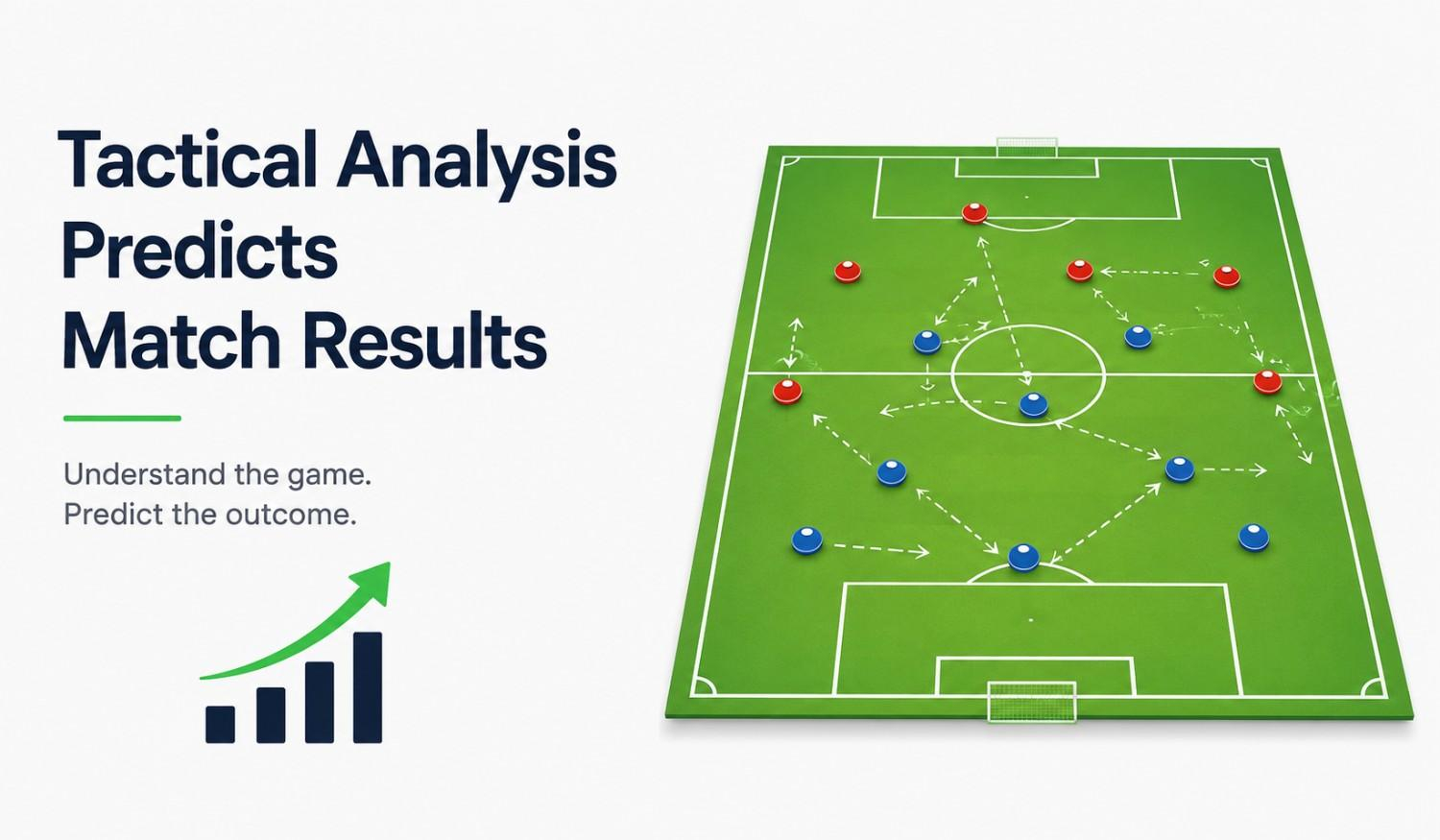
Tactical analysis is the art of studying how teams structure themselves on the field and execute their plans. It goes beyond counting goals or checking league tables. Instead, it looks at positioning, transitions, pressing intensity, and movement between defensive and attacking phases. These match football insights often reveal hidden advantages before kickoff. Watching a side shift from a compact block to aggressive pressing can say more than a month of statistics. Football may seem chaotic at times, but beneath the surface, there is often a carefully designed blueprint quietly shaping every result.
Why Tactical Patterns Reveal Match Outcomes
Teams are creatures of habit — even managers who claim unpredictability often repeat tactical tendencies. Some clubs press relentlessly, while others prefer patience and structured possession. Recognizing these recurring patterns offers valuable forecasting clues. When a team consistently struggles against quick counterattacks, that weakness becomes difficult to hide. Tactical trends often expose likely outcomes before the referee blows the whistle. Football can occasionally produce chaos, of course; this is the sport that once made a goalkeeper score from midfield. Still, recurring tactical behaviors usually provide stronger predictive signals than blind optimism.
How Formations Shape Match Predictions
Formations are football’s tactical fingerprints. A 4-3-3 encourages width and pressing, while a 3-5-2 often prioritizes central dominance and defensive stability. Understanding these structures makes predictions sharper and more informed. When one system naturally exploits another, clear opportunities emerge. A narrow midfield may struggle against overlapping full-backs, while isolated strikers can disappear against disciplined center-backs. Tactical matchups often decide games before individual brilliance enters the equation. It is rather like a chessboard, except the pieces occasionally dive dramatically under minimal contact and demand a yellow card.
The Importance of Studying Team Pressing and Defensive Structure
Pressing intensity and defensive organization are often decisive indicators of performance. Teams with coordinated pressing can force mistakes and dominate territory, while compact defensive setups frustrate even the most creative attacks. These details are central to accurate football prediction tips because they reveal how a match may unfold. A side unable to break compact defensive lines often becomes predictable and vulnerable. Observing defensive spacing, pressing triggers, and recovery speed provides practical clues. In football, organization frequently defeats flair — much to the disappointment of those who expect constant wonder goals.
Using Tactical Data to Read Momentum Shifts
Data has transformed tactical forecasting into a far more precise science. Heat maps, expected goals, possession zones, and passing networks reveal patterns invisible to casual viewers. Numbers help identify whether a team is genuinely controlling a match or simply enjoying harmless possession near halfway. Momentum shifts become easier to spot when data supports tactical observations. There was once a match where endless possession produced almost nothing — a reminder that sideways passing impresses nobody except perhaps statisticians searching for comfort. Tactical numbers separate meaningful dominance from attractive but ultimately empty football.
Managerial Adjustments That Change Everything
Great managers rarely allow matches to drift unchanged. Tactical substitutions, formation changes, and positional adjustments can dramatically alter momentum. A switch from cautious buildup to direct attacking football often catches opponents unprepared. These moments often define results and make tactical forecasting so fascinating. Watching a manager transform a struggling side through one halftime adjustment feels almost theatrical. Football has provided countless examples where one strategic tweak flipped the entire narrative. It proves once again that the sharpest predictions come not from guessing stars will shine, but from understanding strategic flexibility.
Common Tactical Mistakes Predictors Overlook
Many predictions fail because they focus too heavily on recent scorelines while ignoring tactical context. A dominant victory against a weak defensive side does not guarantee similar success against disciplined opposition. Another frequent mistake is overvaluing possession statistics without considering attacking efficiency. Tactical blindness often leads to poor conclusions. Some predictors seem hypnotized by flashy numbers, as though sixty percent possession automatically deserves three points. Football is rarely that generous. Ignoring adaptability, fatigue, and structural weaknesses can turn seemingly safe forecasts into painful reminders that football enjoys humbling overconfidence.
How Tactical Analysis Improves Smarter Predictions
Detailed tactical study transforms prediction from speculation into calculated assessment. By analyzing systems, player roles, pressing behavior, and adjustments, stronger forecasting models emerge. This approach allows analysts to anticipate where weaknesses may be exposed and which side holds structural advantages. Tactical understanding does not eliminate surprises — football would lose its charm if it became completely predictable. However, it significantly improves forecasting accuracy. Smart observers know outcomes are rarely random. The game leaves clues everywhere for those willing to notice. Preparation, more often than luck, separates informed predictions from hopeful guesses.
Conclusion
Tactical analysis provides a smarter lens for understanding football results. It uncovers patterns, reveals weaknesses, and highlights strategic battles that often decide matches long before the final whistle. While football will always preserve its unpredictable streak — because the sport enjoys keeping everyone humble — informed analysis consistently improves forecasting accuracy. Success lies in reading the game beneath the obvious surface. The final lesson remains simple: scorelines tell what happened, but tactical insight explains why it happened. And in football, understanding the “why” is where true prediction begins.



 Pro Benefits
 About
About
 Terms
Terms
 Privacy
 Child Safety & Protection
 Notifications
 Ayrush Global It Services Pvt Ltd
 English
 Arabic
 French
 Spanish
 Portuguese
 Deutsch
 Turkish
 Dutch
Dutch
 Italiano
 Russian
 Romaian
 Portuguese (Brazil)
 Greek
Greek
