


 Pro Benefits
 About
About
 Terms
Terms
 Privacy
 Child Safety & Protection
 Notifications
 Ayrush Global It Services Pvt Ltd
Certified Blast Resistant Door Solutions
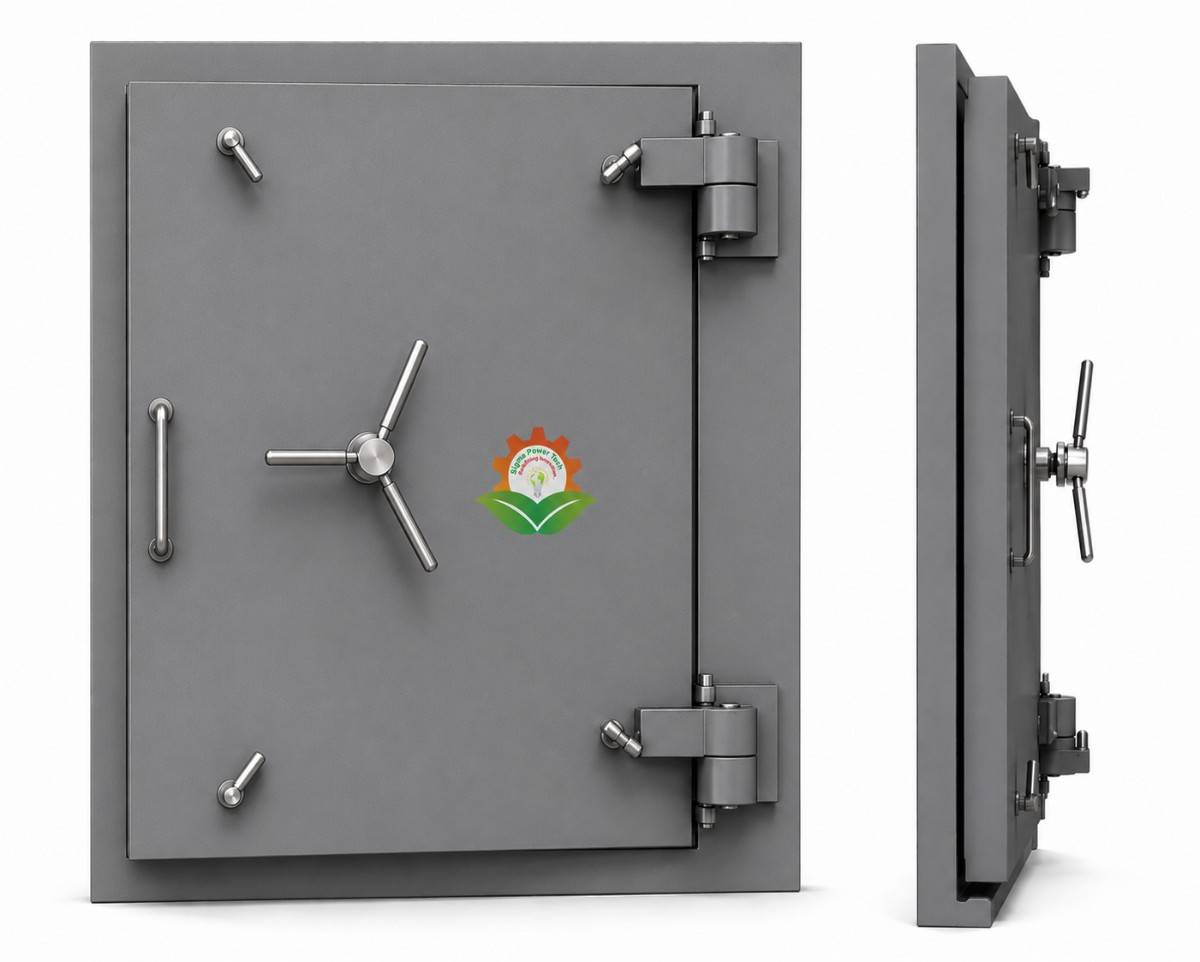
Industrial infrastructure exposed to explosion risks depends heavily on systems that can perform predictably under extreme conditions. In sectors such as petrochemicals, defense manufacturing, chemical processing, pharmaceutical production, and energy storage, structural protection measures are evaluated not only for strength but also for compliance reliability. This is where certified blast resistant doors have gained increasing importance.
For industrial operators, certification is more than a procurement formality. It provides technical validation that a blast protection system has been engineered, tested, and manufactured according to recognized safety standards. In high-risk environments, unverified infrastructure components can introduce serious operational vulnerabilities, particularly when facilities rely on compartmentalization to limit pressure propagation during an explosion event.
As industrial safety audits and infrastructure compliance expectations continue evolving across India, certified blast-resistant systems are becoming a standard requirement in hazardous operating environments rather than a specialized upgrade.
Why Certification Matters in Blast Protection Infrastructure
A blast proof door may appear structurally similar to a reinforced industrial steel door, but the engineering requirements behind certified blast-resistant systems are significantly more complex. Pressure resistance, structural deformation limits, rebound response, anchoring stability, and fire integration all influence how a system performs during an actual blast event.
Certification provides measurable assurance that the product has undergone controlled evaluation under specific testing conditions.
Industrial buyers often request compliance documentation for several reasons:
-
Infrastructure approval requirements
-
Insurance and risk management procedures
-
Safety audit compliance
-
Defense and government procurement standards
-
Operational reliability verification
-
Long-term asset protection planning
Without certified performance validation, facilities may struggle to verify whether installed systems can reliably withstand the pressure loads associated with identified operational hazards.
This becomes particularly important in critical environments such as refinery control rooms, ammunition storage zones, solvent processing units, and hazardous material containment areas.
Understanding the Engineering Behind Certified Systems
Certified blast-resistant systems are generally developed through a combination of structural analysis, material testing, and performance simulation. The process often begins with pressure calculations based on potential explosion scenarios within a specific industrial environment.
Engineering considerations may include:
Pressure Resistance Ratings
Doors are designed to withstand predetermined blast overpressure levels while maintaining structural integrity. Certification testing evaluates how the system behaves under simulated pressure impact conditions.
Frame and Anchorage Performance
The strength of a blast-resistant system depends not only on the door leaf itself but also on the surrounding frame and anchoring assembly. Improper anchoring can compromise performance during high-pressure exposure.
Fire and Blast Combination Protection
Many industrial facilities require combined blast and fire-rated performance because explosions are frequently followed by thermal hazards. Certified systems often undergo additional fire-resistance testing to validate dual-protection capability.
Material and Welding Standards
Heavy steel construction, reinforcement ribs, and high-strength weld integrity are essential components of certified blast-resistant assemblies. Quality verification procedures help ensure consistency across manufacturing batches.
Operational Reliability
Industrial environments require systems capable of functioning under demanding conditions over extended operational periods. Hinges, locking systems, and automated controls must perform reliably despite vibration, corrosion exposure, and environmental stress.
These engineering requirements explain why blast resistant doors are usually project-specific rather than mass-produced industrial products.
Industries Prioritizing Certified Blast Protection Solutions
The demand for certified blast protection systems is especially strong in sectors where operational disruption or structural failure could have severe safety consequences.
Petrochemical Infrastructure
Hydrocarbon processing facilities frequently install certified blast-resistant systems around process units, compressor stations, and control rooms. Pressure containment and operational continuity remain central concerns in refinery operations.
Defense Installations
Military infrastructure often requires high-performance reinforced systems capable of withstanding significant blast pressure while maintaining controlled access security. Certification documentation is particularly important in defense procurement processes.
Pharmaceutical Manufacturing
Facilities handling volatile solvents and reactive compounds increasingly incorporate certified containment systems into specialized production zones and hazardous storage areas.
Research and Energy Facilities
Nuclear research centers, testing laboratories, and energy infrastructure projects may require additional shielding integration alongside certified blast resistance performance.
Across these sectors, procurement teams typically prioritize tested and documented infrastructure over unverified alternatives.
What Buyers Evaluate Before Selecting a Manufacturer
Industrial procurement decisions rarely focus on fabrication capacity alone. Selecting experienced blast proof door manufacturers in India usually involves a broader technical assessment.
Engineering expertise is one of the primary evaluation criteria. Suppliers must demonstrate the ability to interpret pressure calculations, facility layouts, and compliance specifications unique to each project.
Manufacturing quality also plays a major role. Industrial buyers often review welding procedures, steel sourcing practices, reinforcement methodologies, and testing protocols before approving suppliers for critical infrastructure applications.
Installation capability matters equally because blast-resistant systems require precise structural integration. Misalignment, improper anchoring, or poor site coordination can reduce performance reliability significantly.
Long-term support is another factor frequently considered in procurement discussions. Industrial operators generally prefer suppliers capable of providing maintenance guidance, replacement support, and operational servicing throughout the infrastructure lifecycle.
For projects involving specialized industrial containment systems, companies associated with Sigma Power Tech Blast Door solutions are often assessed for their ability to deliver customized engineering aligned with certified performance expectations.
How Certification Influences Blast Door Price
Blast door price is often influenced by certification requirements because validated performance testing adds engineering, manufacturing, and compliance complexity to the project.
Cost variations may depend on:
-
Pressure resistance ratings
-
Fire certification requirements
-
Steel thickness and reinforcement density
-
Testing and documentation procedures
-
Automation integration
-
Structural installation conditions
-
Corrosion-resistant treatment systems
-
Specialized sealing requirements
Certified systems generally involve higher engineering precision and compliance verification, particularly in defense and hazardous industrial applications.
Conclusion
Certified blast-resistant infrastructure has become increasingly important as industrial operators strengthen safety frameworks and compliance standards across hazardous sectors. In environments where pressure containment and structural resilience directly affect operational continuity, validated performance matters as much as physical durability.
Blast resistant doors designed and tested according to recognized engineering standards provide industrial facilities with greater confidence in infrastructure reliability during critical events. As India continues expanding its industrial and energy sectors, certified blast protection solutions are expected to remain an essential part of responsible infrastructure development.
 English
 Arabic
 French
 Spanish
 Portuguese
 Deutsch
 Turkish
 Dutch
Dutch
 Italiano
 Russian
 Romaian
 Portuguese (Brazil)
 Greek
Greek
