


 Pro Benefits
 Σχετικά
 Όρους
Όρους
 Ιδιωτικότητα
 Child Safety & Protection
 Ειδοποιήσεις
 Ayrush Global It Services Pvt Ltd
Expert Tips to Avoid Costly Air Conditioning Repair Issues
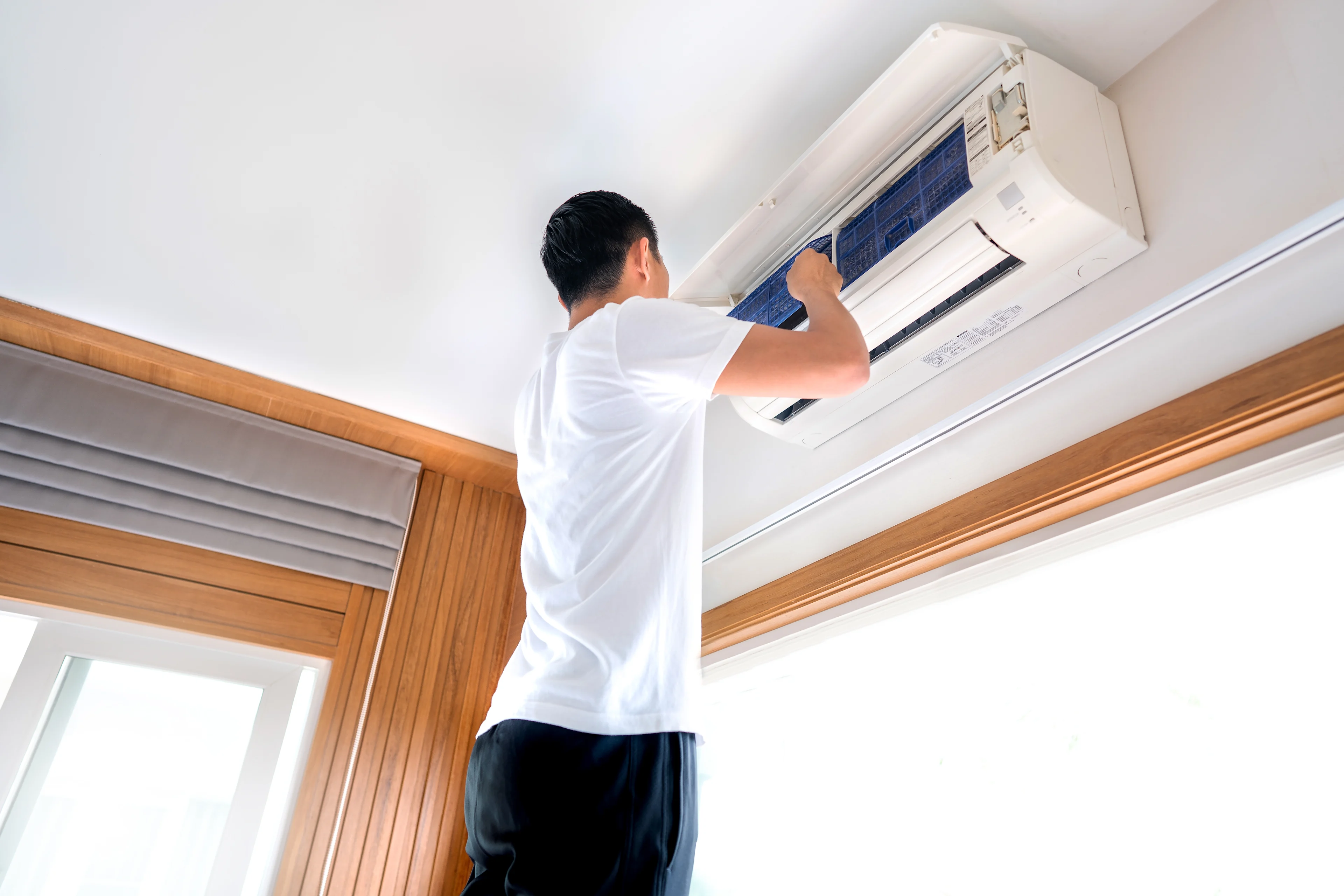
When the summer sun beats down intensely, your central cooling system becomes the most vital piece of machinery in your household. Unfortunately, many homeowners take their indoor comfort for granted until the vents begin blowing lukewarm air or the outdoor unit falls completely silent. Facing an unexpected mechanical breakdown in the middle of a heatwave is incredibly stressful, especially when local service schedules are packed for weeks. I have guided countless families through these frustrating situations, and the truth is that most expensive structural failures are completely preventable. Our experienced team at Mountain Breeze Heating has spent decades troubleshooting residential climate machinery across the region. Implementing proactive care strategies protects your household budget from sudden financial shocks. Taking charge of your system maintenance minimizes operational strain and significantly reduces the probability of needing an urgent ac repair denver technician during peak cooling seasons.
Establish a Regular Filter Replacement Routine
The absolute simplest way to protect your cooling machinery from catastrophic failure is to replace your air filters on a strict schedule. Many people do not realize that a heavily soiled filter does far more than just compromise your indoor air quality. When layers of dust, pet hair, and airborne fibers coat the filter fabric, they form a thick, suffocating barrier that blocks natural airflow.
Without sufficient air moving through the return vents, the indoor evaporator coil drops below freezing temperatures. This thermal drop causes the moisture in the air to freeze directly onto the metal fins, encasing the coil in a solid block of ice. Operating an air conditioner with a frozen coil puts tremendous liquid slugging strain on the compressor, which is only designed to pump vaporized gas. Swapping out standard pleated filters every sixty to ninety days keeps the system breathing freely and prevents expensive motor burnouts.
Keep the Outdoor Condenser Unit Completely Clear
The large metallic cabinet sitting outside your home is responsible for releasing all the heat extracted from your indoor living spaces. Because it is constantly exposed to the elements, it frequently becomes choked with lawn clippings, windblown autumn leaves, cottonwood seeds, and encroaching garden weeds. When these organic materials wrap around the exterior aluminum coil fins, they create an insulating blanket that traps heat inside.
As a result of this thermal blockage, the compressor must run at significantly elevated internal pressures and temperatures to cool your home. This extra workload drastically increases your monthly electricity consumption and causes the electrical control contacts to pit and scorch prematurely. I advise homeowners to maintain a clear two-foot perimeter around the entire outdoor housing. Periodically rinsing the exterior aluminum fins with a gentle stream from a garden hose washes away hidden dirt and allows for optimal heat rejection.
Protect the Condensate Drainage System from Blockages
Your central air conditioner does double duty by lowering the indoor temperature and stripping excess moisture from the humid air. This extracted water drips off the evaporator coil into a built-in internal plastic pan, where it then flows out of your home through a dedicated PVC drain line. Over the course of a long cooling season, this damp environment naturally attracts airborne algae spores and bacterial dust.
If you leave this drainage path unmanaged, a thick layer of biological slime will eventually form, completely plugging the narrow drain pipe. When water backs up, it overflows the internal pan, leading to severe structural damage to your drywall ceilings, ruined basement flooring, and localized mold growth. You can easily prevent these messy situations by pouring a cup of plain white vinegar down the condensate access T-pipe once a month to flush out lingering biological blockages before they solidify.
Recognize and Address Early Warning Signs Immediately
Ignoring minor changes in how your cooling system functions is a guaranteed recipe for a major mechanical failure down the road. Air conditioning systems rarely break down completely without dropping subtle hints first. Paying close attention to how your machinery sounds and performs allows you to catch minor faults before they ruin neighboring assemblies.
If you notice any of these common system warning signs, it is time to take quick action:
-
Strange Mechanical Noises: Squealing sounds often point to a fraying blower fan belt, while loud clanking or rattling signals a loosening motor mount or failing fan blade.
-
Gradual Loss of Air Velocity: Weak airflow from your supply registers usually indicates a failing blower motor capacitor or heavily blocked internal ductwork.
-
Erratic Thermostat Readings: If certain rooms remain warm while others are freezing, your wall thermostat might be miscalibrated or improperly positioned in direct sunlight.
-
Unexplained Spikes in Power Bills: A sudden increase in electrical consumption when your usage habits have not changed indicates the compressor is struggling against severe internal friction.
Essential Checkpoints for Maximizing Equipment Longevity
To help keep your home comfort infrastructure operating flawlessly for its entire intended lifespan, monitor these critical technical variables throughout the year:
|
Technical Focus Area |
Common Vulnerability |
Long-Term Preventative Solution |
|
Refrigerant Volume |
Microscopic vibration leaks in copper joints |
Professional pressure testing and structural leak repairs |
|
Electrical Terminals |
Loose screw contacts due to thermal expansion |
Annual inspection, tightening, and clearing of oxidized points |
|
Fan Motor Bearings |
Loss of factory lubricant leading to friction |
Periodic application of specialized mechanical oil |
|
Thermostat Sensors |
Accumulation of dust behind the main digital face |
Gentle cleaning of internal contacts and battery updates |
Avoid the Temptation of Complex DIY Internal Repairs
While clearing leaves from around your outdoor unit or swapping out a dirty air filter are excellent tasks for any homeowner to manage, complex internal diagnostics must be left to licensed professionals. Modern cooling units are filled with sensitive solid-state circuit boards, highly pressurized chemical fluids, and lethal high-voltage electrical lines.
Attempting to replace electrical components or adjust internal chemical charges without proper diagnostic gauges and safety training frequently leads to ruined control boards, severe electrical shocks, or voided factory warranties. Manufacturers require documented professional care to honor parts replacement coverage. Investing in certified mechanical oversight guarantees that minor mechanical calibrations are executed safely and accurately, preserving your equipment and giving your family total peace of mind all summer long.
 Greek
Greek
 English
 Arabic
 French
 Spanish
 Portuguese
 Deutsch
 Turkish
 Dutch
Dutch
 Italiano
 Russian
 Romaian
 Portuguese (Brazil)
