


 Pro Benefits

 الشروط
 الخصوصية
 Child Safety & Protection
 الإشعارات
 Ayrush Global It Services Pvt Ltd
What Should You Do If You Find a Dead Animal in Your Yard?
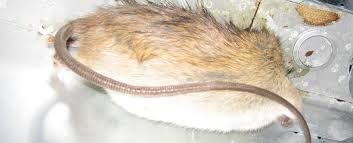
Finding a dead animal in your yard is never a pleasant experience, but it's one that many Australian homeowners will face at some point — particularly those living near bushland, open reserves, or suburban areas with active local wildlife. How you respond in those first few minutes matters more than most people realise. If you're located in Melbourne's bayside suburbs and the situation feels beyond what you're comfortable handling alone, Dead Animal Removal Black Rock specialists are equipped to manage safe, hygienic removal and disposal so you don't have to take any unnecessary risks with your health or your property.
The type of animal, how long it's been there, and where it's located in your yard will all influence the steps you need to take. A small bird that passed away recently is a very different scenario to a decomposing possum or rabbit that's been lying in the garden for several days unnoticed. Regardless of the specifics, the approach should always prioritise personal safety, hygienic handling, and responsible disposal. For homeowners in Geelong's northern growth areas, Dead Animal Removal St Albans Park professionals offer the same level of expert assistance, particularly for properties where wildlife activity is a regular occurrence.
Why You Shouldn't Just Leave It or Ignore It
It's tempting to think that nature will take care of itself — that scavengers will move in and the problem will resolve on its own. In rural settings, that's sometimes true. In a suburban backyard, however, leaving a dead animal unattended creates a chain of problems that are far worse than the initial discovery.
Decomposing carcasses attract flies, blowflies, and beetles that breed rapidly in organic matter. Within a day or two, a single carcass can become a significant insect breeding site. Beyond the insects, decomposing animals attract secondary scavengers — foxes, rats, and feral cats — which bring their own set of problems into your yard. There's also the issue of bacteria leaching into the surrounding soil, contaminating garden beds, and potentially reaching water drainage points. And of course, there's the smell — which in Australian summer heat can become overwhelming within hours.
Acting promptly is always the better choice.
Step 1 — Assess the Situation Safely From a Distance
Before you do anything else, take a moment to assess the situation without touching or getting too close to the animal. Try to identify the species if you can do so safely from a short distance. This matters for a few reasons — some native animals in Australia are protected under state wildlife legislation, and their carcasses may need to be reported to or collected by your local council or wildlife authority rather than disposed of in general waste.
Also check whether the animal appears to have died naturally or whether there are signs of injury suggesting it may have been hit by a vehicle, attacked by another animal, or even poisoned. If you suspect rodenticide poisoning — which is unfortunately not uncommon in suburban areas — handle the carcass with extra caution, as secondary poisoning through skin contact, while rare, is a real consideration.
Step 2 — Gear Up With the Right Protective Equipment
Never handle a dead animal with bare hands. The carcass can harbour a range of bacteria, parasites, and pathogens — including Salmonella, E. coli, leptospirosis, and depending on the species and region, potentially more serious diseases. In Australia, there are also specific concerns around animals that may carry the Australian Bat Lyssavirus, which, while primarily associated with bats and flying foxes, is a reminder that wildlife health risks deserve serious respect.
Before approaching the animal, put on:
- Thick disposable gloves — doubled up if possible for extra protection
- A disposable face mask if the animal has been decomposing for any length of time
- Old clothing or disposable coveralls that can be washed or discarded immediately after
- Closed-toe shoes — never sandals or bare feet near a carcass
If you don't have disposable gloves on hand, thick rubber household gloves can work as a substitute, provided they're thoroughly disinfected afterwards.
Step 3 — Remove the Animal Using a Tool, Not Your Hands
Even with gloves on, it's better practice to use a tool to lift and move the carcass rather than picking it up directly. A long-handled garden spade or shovel works well for this purpose. Scoop the animal from underneath and transfer it directly into a thick plastic bag — heavy-duty bin bags are ideal. Double-bag the carcass and tie each bag securely before handling further.
Try to minimise any unnecessary movement or disturbance of the carcass during this process. Disturbing a decomposing body can release gases, fluids, and airborne particles that you don't want to inhale or come into contact with. Work quickly, calmly, and with the wind at your back if possible.
Step 4 — Dispose of the Carcass Correctly
Disposal rules vary depending on your local council in Victoria, so it's worth knowing the guidelines for your area before bin day. In most Melbourne metropolitan councils and Geelong area councils, small animal carcasses — birds, rats, mice, small lizards — can be double-bagged and placed in the general waste (landfill) bin.
For larger animals — possums, rabbits, foxes, or anything bigger — many councils prefer you to contact them directly for collection, or they may have specific drop-off or reporting requirements. Native animals in particular should be reported to your local council or the relevant state wildlife authority, as records of wildlife deaths can be important for monitoring disease outbreaks and population health.
Do not bury the carcass in your garden unless you are certain it is legal in your area and you can bury it deeply enough — at least 60cm — to prevent scavengers from digging it up. Shallow burial is rarely effective and often causes more problems than it solves.
Step 5 — Disinfect the Affected Area Thoroughly
Once the animal has been removed and bagged, your job isn't quite finished. The area where the animal was lying needs to be properly disinfected — particularly if there's been any visible fluid, blood, or insect activity present.
Using a garden hose, rinse the immediate area thoroughly. Follow this with a diluted bleach solution — approximately one part household bleach to nine parts water — applied generously to the affected ground or surface. Allow it to sit for five to ten minutes before rinsing again. For soil or lawn areas where bleach isn't appropriate, a pet-safe enzymatic disinfectant spray is a better alternative and is widely available at Australian hardware and pet supply stores.
If there were maggots or fly eggs present, treat these directly with the bleach solution before rinsing, as they can persist in the soil and continue developing even after the carcass is removed.
Step 6 — Clean and Disinfect Everything You Used
Any tools, gloves, or footwear that came into contact with the carcass or the surrounding area should be disinfected immediately. Soak tools in a bleach solution for several minutes and rinse thoroughly. Disposable gloves should go straight into the bin — tied securely inside a bag. Rubber gloves should be disinfected before removal, then washed again with hot soapy water.
Wash your hands thoroughly with warm water and soap for at least 20 seconds after the entire process is complete, even if you were wearing gloves throughout. If any skin came into accidental contact with the carcass or its fluids, wash the area immediately and monitor for any signs of skin irritation or illness over the following days.
Step 7 — Monitor the Area and Address the Cause
A single dead animal in your yard may be a one-off occurrence. But if it's happening repeatedly — particularly if you're finding possums, rats, or other wildlife regularly — it's worth investigating why your property is attracting them in the first place.
Common contributing factors include unsecured compost bins, accessible food sources like fallen fruit or uncovered pet food, gaps in fencing or roofline that allow access, and dense low-growing vegetation that provides ground-level shelter for rodents and small mammals.
Addressing these attractants is the most effective long-term prevention strategy. A licensed pest and wildlife specialist can conduct a property assessment and recommend targeted changes that reduce the likelihood of future incidents — saving you from repeating this process more often than necessary.
When to Skip the DIY Approach Entirely
There are some situations where calling a professional is simply the smarter, safer decision. If the animal is large and in an advanced state of decomposition, if it's located in a hard-to-access area like under the house or deep in garden structure, if there's any chance it's a protected species, or if you or someone in your household has a compromised immune system — don't hesitate to reach out to a licensed removal specialist.
Finding a dead animal in your yard is unpleasant but entirely manageable when approached with the right mindset and the right precautions. Stay safe, act promptly, and don't underestimate the importance of proper disinfection. Your yard, your family, and your neighbours will all be better for it.
 Arabic
 English
 French
 Spanish
 Portuguese
 Deutsch
 Turkish
 Dutch
Dutch
 Italiano
 Russian
 Romaian
 Portuguese (Brazil)
 Greek
Greek
