


 Pro Benefits
 О нас
О нас
 Условия использования
 Конфиденциальность
 Child Safety & Protection
 Оповещения
 Ayrush Global It Services Pvt Ltd
How to Create an Efficient and Comfortable Recovery Rooms Design for Patients
Introduction
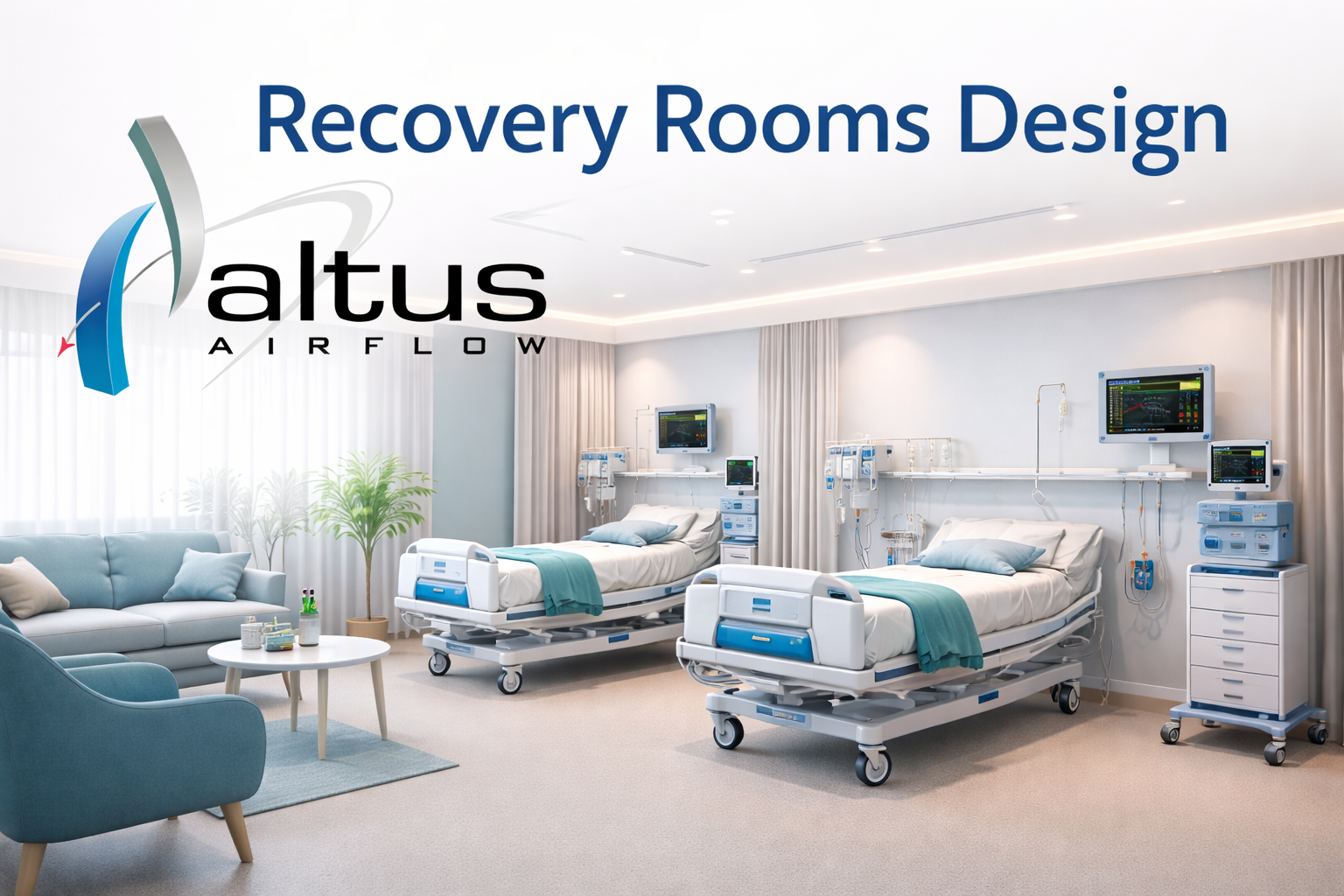
A well-planned recovery room design plays a critical role in patient healing, comfort, and post-operative care. Whether in a hospital, clinic, or healthcare facility, the design of recovery rooms directly impacts patient outcomes, staff efficiency, and overall safety standards. A thoughtfully executed recovery environment reduces stress, improves monitoring, and supports faster recovery.
Understanding the Purpose of a Recovery Room
A recovery room, also known as a post-anesthesia care unit (PACU), is where patients are closely monitored after surgery or medical procedures. The primary goals include:
- Stabilizing vital signs
- Managing pain and post-surgical symptoms
- Preventing complications
- Ensuring smooth transition to general wards or discharge
Because patients are often vulnerable during this stage, the environment must balance clinical efficiency with emotional comfort.
Key Principles for an Efficient Recovery Room Design
1. Smart Space Planning and Layout
Space optimization is the foundation of an effective recovery room design. A well-structured layout ensures smooth movement of medical staff and quick access to patients in emergencies.
Important considerations:
- Adequate spacing between beds for privacy and equipment access
- Clear pathways for stretchers and medical trolleys
- Centralized nursing station for better visibility
- Separate clean and utility zones
A linear or semi-circular layout is often preferred for improved patient visibility and monitoring efficiency.
2. Patient Monitoring and Visibility
Continuous observation is crucial in recovery care. The design should allow healthcare staff to monitor patients without obstruction.
Best practices include:
- Positioning beds within clear line of sight from the nursing station
- Installing ceiling-mounted observation systems if possible
- Using centralized monitoring screens for vital signs
- Ensuring proper lighting without disturbing patient rest
Technology integration plays a big role in modern recovery rooms.
3. Infection Control and Hygiene Standards
A recovery room must follow strict infection control protocols to protect vulnerable patients.
Design elements should include:
- Antimicrobial surfaces and easy-to-clean materials
- Hands-free sinks and sanitizer stations
- Proper ventilation and air filtration systems
- Isolation capability for high-risk patients
Maintaining hygiene is essential for reducing hospital-acquired infections.
4. Patient Comfort and Emotional Well-being
Comfort is just as important as medical efficiency. A calm environment can significantly improve recovery speed.
Key features:
- Adjustable beds with ergonomic support
- Soft, indirect lighting to reduce stress
- Noise reduction materials for quieter surroundings
- Curtains or partitions for privacy
- Soothing color palettes (light blues, greens, neutral tones)
Adding natural elements like indoor plants or daylight access can further enhance healing.
5. Essential Medical Equipment Integration
A well-equipped recovery room ensures immediate response during emergencies.
Must-have equipment includes:
- Patient monitoring systems (ECG, pulse oximeters)
- Oxygen supply and suction units
- Emergency crash carts
- Infusion pumps
- Defibrillators
All equipment should be easily accessible without cluttering the space.
6. Lighting and Environmental Control
Lighting and climate control play a key role in patient recovery.
Guidelines:
- Use adjustable LED lighting systems
- Avoid harsh overhead lights near patient beds
- Maintain optimal room temperature and humidity
- Ensure backup power systems for uninterrupted care
A comfortable environment reduces anxiety and promotes healing.
7. Staff Workflow Efficiency
A recovery room must support fast and efficient medical response.
To improve workflow:
- Place storage units close to patient beds
- Design ergonomic workstations for nurses
- Reduce unnecessary movement with strategic placement of equipment
- Use digital systems for patient tracking and documentation
Efficient design reduces staff fatigue and improves care quality.
8. Safety Features and Emergency Preparedness
Safety is non-negotiable in recovery room design.
Important safety elements:
- Emergency alarms and call systems at every bed
- Slip-resistant flooring
- Fire safety systems and clear evacuation routes
- Backup oxygen and power systems
These features ensure preparedness for any unexpected situation.
9. Technology Integration in Modern Recovery Rooms
Modern healthcare facilities are increasingly adopting smart technologies.
Examples include:
- Digital patient monitoring dashboards
- Automated alert systems for abnormal vitals
- Electronic health record (EHR) integration
- AI-based patient tracking systems
Technology enhances accuracy and reduces manual workload.
10. Future Trends in Recovery Room Design
Healthcare design is evolving rapidly. Future recovery rooms are expected to focus on:
- Smart, fully automated monitoring systems
- Modular room designs for flexibility
- Eco-friendly and sustainable materials
- Personalized patient care environments
- Enhanced telemedicine integration
These innovations aim to improve both patient experience and operational efficiency.
Conclusion
An effective Recovery Rooms Design is a vital part of any healthcare facility, directly influencing patient safety, comfort, and recovery speed. A well-planned recovery room combines smart space utilization, advanced medical equipment, strict hygiene standards, and a calming environment to support both patients and healthcare professionals.
By integrating modern technology, ensuring proper staff workflow, and prioritizing patient-centered design elements, hospitals can significantly improve post-operative care outcomes. Ultimately, a thoughtfully designed recovery room not only enhances medical efficiency but also creates a more reassuring and comfortable experience for patients during one of the most critical stages of their treatment journey.
FAQs
1. What is Recovery Rooms Design and why is it important?
Recovery Rooms Design refers to the planning and structuring of post-operative care areas where patients are monitored after surgery. It is important because a well-designed recovery room ensures patient safety, reduces complications, improves comfort, and allows healthcare staff to respond quickly in emergencies.
2. What are the essential elements of a recovery room?
The essential elements include patient monitoring systems, oxygen supply units, emergency equipment, proper lighting, infection control systems, comfortable beds, and efficient staff workstations. These components ensure smooth and safe patient recovery.
3. How can patient comfort be improved in recovery rooms?
Patient comfort can be improved by using adjustable beds, reducing noise levels, maintaining soft lighting, ensuring privacy with partitions, and controlling room temperature. A calm and soothing environment helps patients recover faster.
4. What safety measures are required in a recovery room?
Safety measures include emergency call systems, fire safety equipment, slip-resistant flooring, backup power supply, and constant monitoring of vital signs. These features ensure quick response during medical emergencies.
5. How does technology improve recovery room efficiency?
Technology improves efficiency by enabling real-time patient monitoring, automated alerts for abnormal conditions, electronic health record integration, and better communication between staff. This reduces errors and improves overall patient care quality.
 Russian
 English
 Arabic
 French
 Spanish
 Portuguese
 Deutsch
 Turkish
 Dutch
Dutch
 Italiano
 Romaian
 Portuguese (Brazil)
 Greek
Greek
