


 Pro Benefits
 About
About
 Voorwaarden
 Privacy
 Child Safety & Protection
 Meldingen
 Ayrush Global It Services Pvt Ltd
The Pro’s Guide to Efficiency: Common Mistakes to Avoid When Renting Equipment
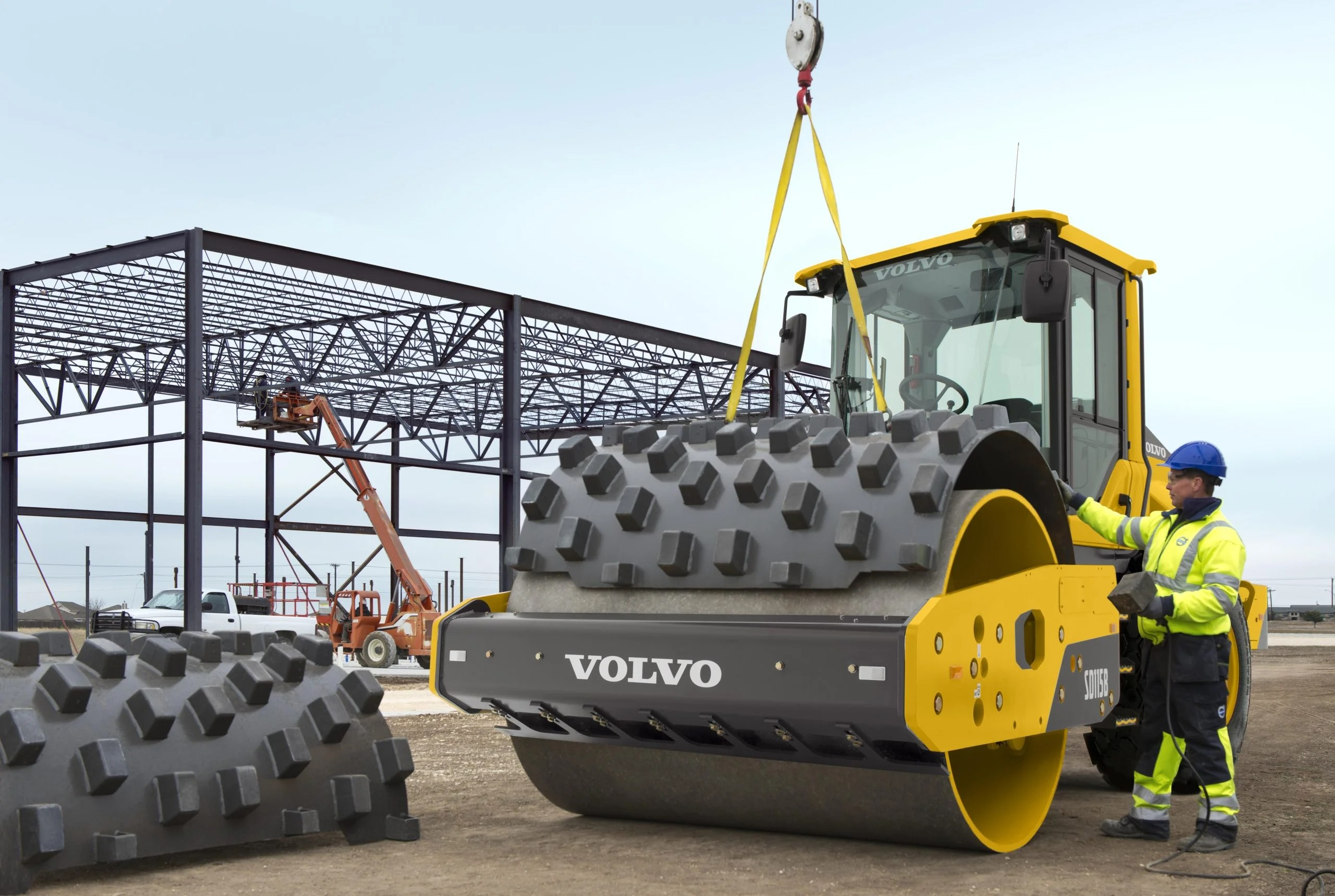
In the world of construction, event planning, and industrial maintenance, renting equipment is often the smartest financial move. It provides access to specialized machinery without the massive capital outlay, storage costs, or maintenance burdens of ownership. However, the convenience of renting can quickly turn into a logistical nightmare and a budget-buster if handled poorly. From hidden fees to mismatched machinery, the pitfalls are numerous.
To ensure your next project stays on track and under budget, avoid these common mistakes when navigating the equipment rental process.
Defining the Scope of Work
The most frequent mistake in equipment rental begins long before the first phone call to the rental yard. Many project managers rent machinery based on a general concept rather than precise site requirements, which often leads to immediate downtime. For example, opting for a standard scissor lift when the terrain is uneven or the required reach necessitates an articulated boom creates significant logistical hurdles. To avoid this, you must conduct a thorough site assessment that includes measuring doorway widths, ceiling heights, and the load-bearing capacities of the flooring. Knowing exactly what you are lifting, the height requirements, and whether the environment is strictly indoor or outdoor ensures you secure the right tool for the job.
Managing Transport and Logistics
It is easy to focus solely on the daily rate of a machine and assume that represents the total cost, but transportation is often one of the largest hidden expenses. Large machinery requires specialized haulers, and if a site is difficult to access or located far from the yard, delivery fees can skyrocket unexpectedly. To protect your budget, always request a comprehensive quote that includes both delivery and pickup charges. Furthermore, you should ensure a designated, clear area is ready for the drop-off; if a delivery driver is forced to wait while obstacles are moved, you will likely see "standby fees" added to your final invoice.
Estimating Rental Duration
Renting equipment for a single day in hopes of working at an accelerated pace is often a recipe for unnecessary stress and higher costs. Weather delays, labor shortages, or minor technical hiccups are common in any project, and extending a daily rental multiple times usually costs significantly more than securing a weekly rate from the start. A helpful rule of thumb is that if you anticipate needing a machine for three days or more, the weekly rate is almost always more cost-effective. Building a 20% time buffer into your project schedule can save you from high-pressure extensions and the premium rates associated with last-minute renewals.
Conducting Pre-Operation Inspections
When a piece of equipment arrives on-site, the temptation is to put it to work immediately to maximize the rental window. However, failing to document the condition of the machinery upon arrival can leave you liable for pre-existing damage that you didn't cause. Whether it is a slow hydraulic leak or cracked glass, any issue not noted on the delivery receipt may be attributed to your team during the return process. Taking five minutes to walk around the machine with the driver—recording photos or a quick video of all sides, the control panel, and the tires—provides essential protection and ensures you aren't billed for someone else's oversight.
Operator Familiarity and Safety
Renting a piece of equipment does not automatically mean your team is qualified to operate that specific model safely. Using a machine without proper familiarization is a leading cause of onsite accidents and preventable equipment damage. Even if a worker holds a general certification, different brands of telehandlers, excavators, or generators often feature unique control layouts and safety protocols. You should always ask the rental company for a brief "walk-around" orientation upon delivery and ensure every operator has reviewed the specific safety manual. Investing a small amount of time in training prevents lost productivity and ensures a safer environment for everyone involved.
Addressing Insurance and Liability
Standard business insurance policies do not always provide coverage for rented or leased equipment, particularly high-value items like excavators or large-scale power generators. Many renters decline the "Loss Damage Waiver" (LDW) offered by the rental company to save on upfront costs, only to face devastating financial consequences if the machine is stolen or damaged by a natural event. Before the rental begins, check with your insurance provider to confirm your level of coverage. If your policy is insufficient, the LDW offered by the rental yard is usually a wise investment that provides peace of mind and protects your company from major out-of-pocket losses.
Finalizing Fuel and Cleaning Requirements
Most rental agreements operate on a "full-to-full" basis, meaning the machine must be returned with the same amount of fuel it had upon arrival. If you return equipment with an empty tank, rental companies will charge for the fuel at a significantly marked-up rate, often adding a service fee on top of the cost. Similarly, equipment returned covered in excessive mud, grease, or concrete splatter can trigger heavy cleaning penalties. Assigning a team member to refuel and spray down the machinery before the scheduled pickup time is a simple task that can save hundreds of dollars in avoidable "nuisance fees" at the conclusion of the contract.
Conclusion: Planning is the Best Tool
Successful equipment rental is built on the foundation of clear communication and meticulous planning. By treating the rental process with the same level of detail as the construction or event itself, you protect your profit margins and ensure a safer worksite. Avoid these common oversights, and you’ll find that the right rental partner is your greatest asset in completing projects on time and with professional precision.
 Dutch
Dutch
 English
 Arabic
 French
 Spanish
 Portuguese
 Deutsch
 Turkish
 Italiano
 Russian
 Romaian
 Portuguese (Brazil)
 Greek
Greek
