


 Pro Benefits
 About
About
 Terms
Terms
 Privacy
 Child Safety & Protection
 Notifications
 Ayrush Global It Services Pvt Ltd
Policy Relaxation Committee Explained: Benefits, Risks & Latest Updates
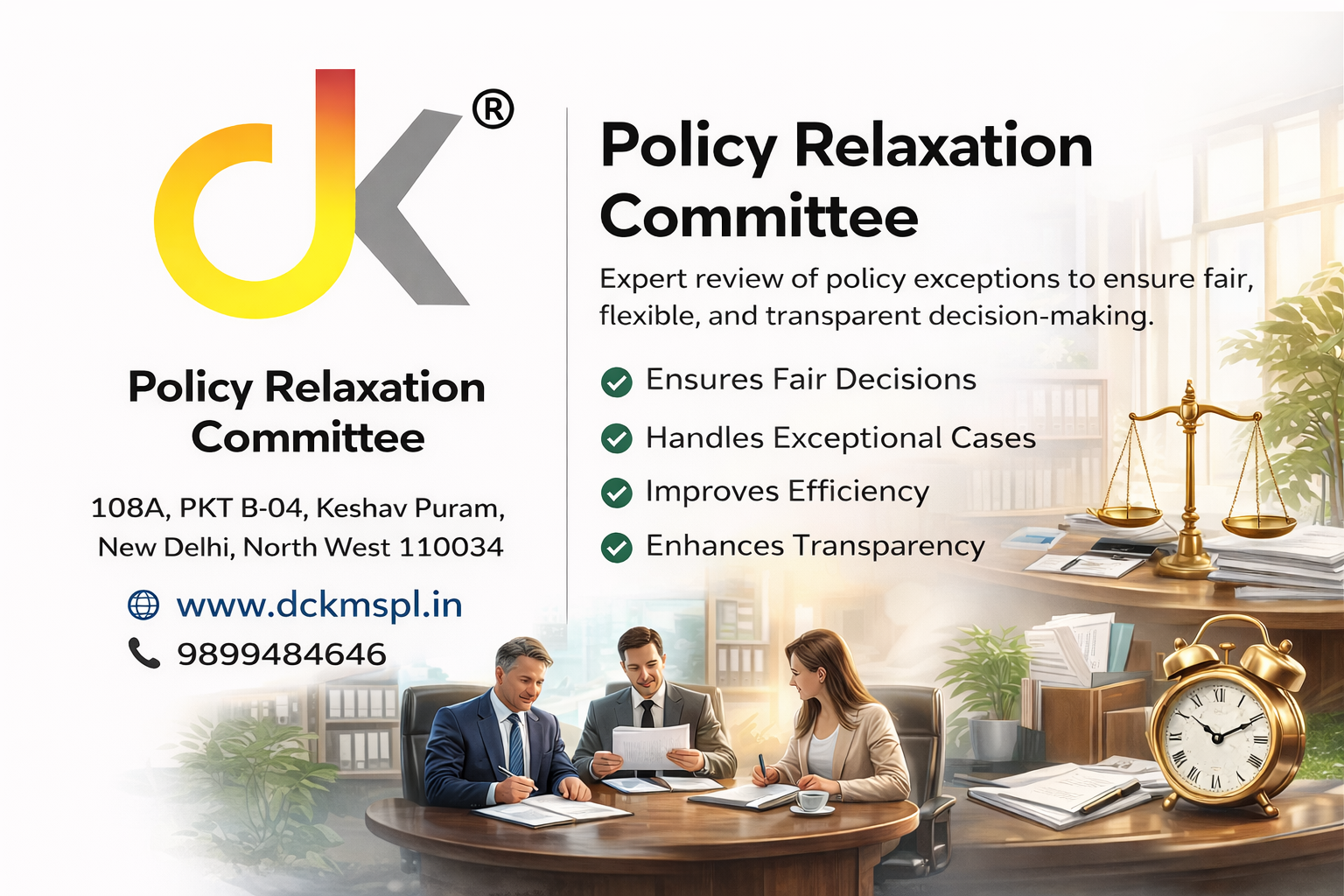
In today’s rapidly evolving regulatory and organizational environment, flexibility in policies has become essential. Strict rules may ensure control, but they can also slow down growth, innovation, and responsiveness. This is where the concept of a policy relaxation committee comes into play.
A policy relaxation committee (often referred to as a PRC committee) is a specialized body responsible for reviewing existing policies and recommending necessary relaxations without compromising the core objectives of governance, compliance, or fairness. Whether in government institutions, corporate sectors, or educational organizations, the importance of such committees is growing significantly.
This comprehensive guide will help you understand everything about the policy relaxation committee, including its purpose, structure, benefits, risks, and the latest trends shaping its role today.
What Is a Policy Relaxation Committee?
A policy relaxation committee is a decision-making or advisory body formed to evaluate requests for exceptions or modifications in existing policies. These committees are typically established when rigid rules create obstacles in practical situations.
Instead of completely changing policies, the committee allows controlled flexibility by granting exceptions under specific conditions.
Key Objectives:
-
Ensure fairness in exceptional cases
-
Maintain balance between rules and real-world challenges
-
Support growth and innovation
-
Reduce unnecessary bureaucratic delays
In many organizations, the PRC committee plays a crucial role in handling unique cases where standard policies may not apply effectively.
Structure of a PRC Committee
A well-functioning PRC committee includes members with diverse expertise to ensure balanced decision-making.
Common Members:
-
Senior management or administrative heads
-
Legal advisors
-
Compliance officers
-
Subject matter experts
-
External consultants (in some cases)
Key Responsibilities:
-
Conduct PRC review of policy-related requests
-
Analyze the impact of relaxation
-
Ensure compliance with regulations
-
Document decisions for transparency
-
Recommend policy improvements
The structure may vary depending on the organization, but the goal remains the same: fair and effective decision-making.
How the PRC Review Process Works
The PRC review process is systematic and ensures that decisions are not arbitrary.
Step-by-Step Process:
-
Submission of Request
An individual or department submits a request explaining why policy relaxation is needed. -
Initial Screening
The committee checks whether the request qualifies for review. -
Detailed Evaluation
Members analyze the request based on:
-
Justification
-
Risk factors
-
Long-term impact
Discussion & Deliberation
The committee discusses possible outcomes and implications.
Decision Making
Approval, rejection, or modification of the request.
Documentation
Every decision is recorded for accountability and future reference.
This structured PRC review ensures transparency and consistency across decisions.
Benefits of a Policy Relaxation Committee
The presence of a policy relaxation committee offers multiple advantages across different sectors.
1. Flexibility in Decision-Making
Rigid policies can limit growth. A PRC committee allows organizations to adapt to real-world challenges without rewriting entire policies.
2. Faster Problem Resolution
Instead of going through lengthy policy amendment procedures, issues can be resolved quickly through committee decisions.
3. Encourages Innovation
Employees and stakeholders feel more confident experimenting and innovating when they know exceptions can be considered.
4. Improved Employee Satisfaction
When genuine concerns are addressed through relaxation, it boosts morale and trust in the system.
5. Better Risk Management
The committee evaluates risks before granting relaxation, ensuring that decisions are safe and controlled.
Risks and Challenges of PRC Committees
While the PRC committee offers many benefits, it also comes with certain risks.
1. Possibility of Bias
If not properly managed, decisions may favor certain individuals or groups.
2. Inconsistent Decisions
Without clear guidelines, different cases may receive different outcomes, leading to confusion.
3. Overuse of Relaxation
Too many exceptions can weaken the original policy framework.
4. Lack of Transparency
If decisions are not documented properly, it may create trust issues.
5. Compliance Risks
Relaxations must align with legal and regulatory requirements to avoid penalties.
Read More - 🌟 DCK Management: Everything You Need to Know in 2026 🌟
Best Practices for an Effective Policy Relaxation Committee
To ensure success, organizations should follow these best practices:
✔️ Clear Guidelines
Define when and how policies can be relaxed.
✔️ Proper Documentation
Maintain records of all PRC review decisions.
✔️ Transparency
Ensure that decisions are communicated clearly.
✔️ Diverse Committee Members
Include experts from different fields to avoid biased decisions.
✔️ Regular Reviews
Continuously evaluate whether relaxed policies are still effective.
Latest Updates and Trends in Policy Relaxation Committees
The role of the policy relaxation committee is evolving with modern organizational needs.
🔹 Digital Transformation
Many organizations now use digital platforms to manage PRC review processes, making them faster and more transparent.
🔹 Data-Driven Decisions
Committees are increasingly relying on analytics to assess risks and outcomes.
🔹 Increased Demand in Remote Work Era
Flexible policies are essential in hybrid and remote work environments, increasing the importance of PRC committees.
🔹 Regulatory Changes
Governments and regulatory bodies are encouraging structured flexibility in policies, leading to more formal PRC setups.
Industries Where PRC Committees Are Common
The policy relaxation committee is widely used across various sectors:
🏢 Corporate Sector
Handling HR policies, leave rules, and operational exceptions.
🎓 Educational Institutions
Managing admission criteria, attendance relaxations, and exam policies.
🏛️ Government Organizations
Providing exemptions in administrative or regulatory policies.
🏥 Healthcare Sector
Adjusting operational protocols during emergencies.
Why Policy Relaxation Committees Are Important Today
In a world where change is constant, rigid policies can become outdated quickly. A PRC committee ensures that organizations remain adaptable while maintaining discipline.
It acts as a bridge between:
-
Rules and flexibility
-
Compliance and innovation
-
Structure and practicality
Without such a system, organizations may struggle to handle exceptional situations effectively.
Conclusion
The policy relaxation committee plays a vital role in modern governance and organizational management. By enabling controlled flexibility, it helps institutions adapt to changing environments without compromising on accountability or compliance.
A well-structured PRC committee, supported by a transparent PRC review process, ensures that policies remain practical, fair, and effective.
As organizations continue to evolve, the importance of policy relaxation committees will only increase, making them a key component of sustainable growth and innovation.
FAQs
1. What is the role of a policy relaxation committee?
A policy relaxation committee reviews special cases and allows exceptions to existing policies while maintaining fairness and compliance.
2. What is a PRC review?
A PRC review is the process where the committee evaluates requests for policy relaxation and decides whether to approve or reject them.
3. Why is a PRC committee important?
A PRC committee ensures flexibility, faster decision-making, and better handling of exceptional situations without changing entire policies.
 English
 Arabic
 French
 Spanish
 Portuguese
 Deutsch
 Turkish
 Dutch
Dutch
 Italiano
 Russian
 Romaian
 Portuguese (Brazil)
 Greek
Greek
