


 Pro Benefits

 الشروط
 الخصوصية
 Child Safety & Protection
 الإشعارات
 Ayrush Global It Services Pvt Ltd
Designing Electrical Enclosures for Class I Division 2 Environments: A Practical Guide
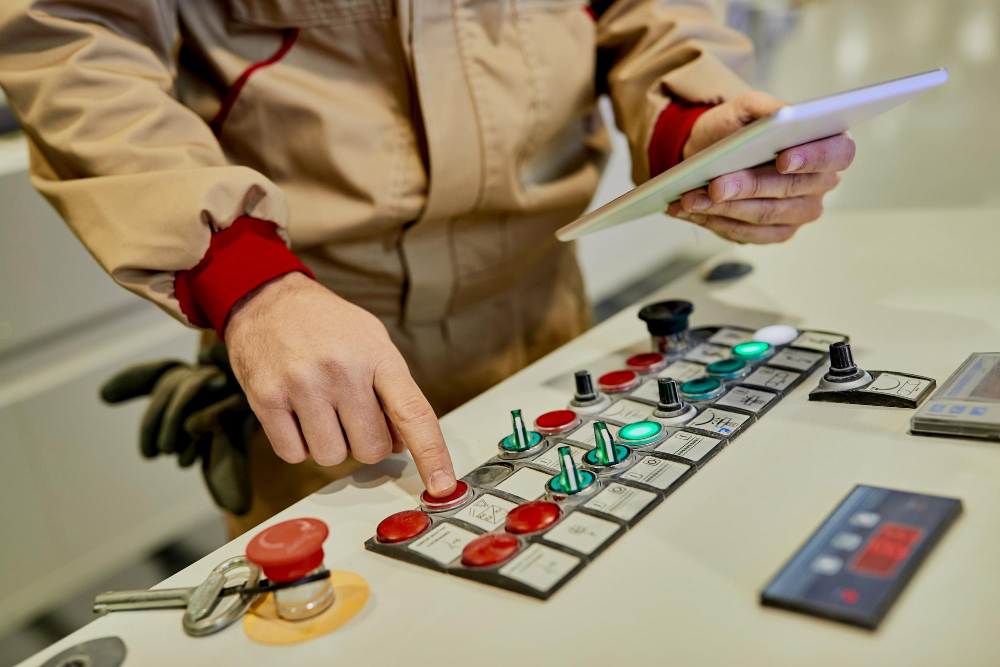
Designing electrical systems for hazardous locations is never just about functionality—it’s about safety, compliance, and long-term reliability. In industrial environments where flammable gases or vapors may be present under abnormal conditions, even a minor design oversight can lead to serious consequences. This is especially true when working with equipment such as panels, control systems, and Motor Control Centers, where electrical enclosures act as the first line of defense against ignition risks.
Class I Division 2 environments present a unique challenge. Unlike Division 1 areas, where hazardous substances are expected under normal operating conditions, Division 2 locations only encounter these substances under abnormal situations—such as leaks, equipment failure, or accidental releases. While the risk may appear lower, the responsibility to design correctly is just as critical.
For electrical engineers and system designers, enclosure design in these environments is not simply about meeting code—it’s about anticipating real-world conditions and ensuring equipment performs safely when it matters most.
Understanding Class I Division 2 Requirements
Before diving into design considerations, it’s important to clearly understand what Class I Division 2 actually means.
These environments typically include areas where flammable gases or vapors are:
-
handled or processed in closed systems
-
normally contained but could escape under abnormal conditions
-
present only during equipment malfunction or system failure
Common examples include:
-
chemical processing plants
-
oil and gas facilities
-
fuel storage areas
-
wastewater treatment plants
-
industrial manufacturing zones with volatile substances
The key takeaway is that while hazardous exposure is not constant, the design must assume that it can occur unexpectedly.
This is why enclosure design plays such a vital role in preventing ignition sources from interacting with the surrounding atmosphere.
Why Enclosure Design Matters More Than You Think
Electrical enclosures in Class I Division 2 environments serve a dual purpose.
First, they protect internal components from environmental factors such as dust, moisture, and corrosion. Second—and more importantly—they prevent internal electrical faults from becoming ignition sources.
Even something as routine as a loose connection, overheating conductor, or minor arc can become dangerous if flammable gases are present at that moment.
A well-designed enclosure minimizes this risk by:
-
containing sparks or arcs
-
limiting heat buildup
-
preventing ingress of hazardous gases
-
ensuring proper sealing and grounding
In many cases, the enclosure itself determines whether the system meets safety requirements.
Choosing the Right Enclosure Type
One of the most common misconceptions is that hazardous locations always require explosion-proof enclosures. While that is true for Division 1 areas, Class I Division 2 environments often allow more flexible design approaches.
Instead of relying solely on explosion-proof construction, engineers may use:
-
non-incendive equipment
-
purged and pressurized enclosures
-
sealed enclosures with proper gasketing
-
increased safety (Ex e) designs
The choice depends on the type of equipment inside the enclosure and the specific risk level of the area.
For example, a control panel with low-energy circuits may qualify as non-incendive, while higher-energy systems may require additional protection such as purging or pressurization.
Understanding these distinctions helps avoid overdesigning (which increases cost) or underdesigning (which increases risk).
Heat Management Is Critical
Heat is one of the most overlooked factors in enclosure design.
Electrical components naturally generate heat during operation, and in enclosed spaces, that heat can accumulate quickly. In hazardous environments, elevated surface temperatures can become ignition sources if they exceed the autoignition temperature of surrounding gases.
Engineers must carefully evaluate:
-
internal heat load
-
ambient temperature conditions
-
ventilation or cooling requirements
-
enclosure material and thermal properties
However, adding ventilation is not always straightforward in hazardous locations.
Open ventilation may allow flammable gases to enter the enclosure, which defeats the purpose of protection. This is why solutions such as heat exchangers, sealed cooling systems, or purged enclosures are often used.
Balancing heat dissipation with environmental protection is one of the most important aspects of safe design.
Sealing and Ingress Protection
Proper sealing is essential in Class I Division 2 environments.
Even though these areas are not continuously hazardous, the enclosure must prevent gas ingress during abnormal conditions. This means paying close attention to:
-
door gaskets
-
cable entry points
-
conduit seals
-
panel joints and seams
Poor sealing can allow flammable vapors to enter the enclosure, where they may come into contact with energized components.
Engineers often specify enclosures with appropriate ingress protection (IP) ratings and use certified cable glands and sealing fittings to maintain integrity.
It’s not just about selecting the right enclosure—it’s about ensuring every entry point maintains the same level of protection.
Material Selection and Durability
Material choice directly affects both safety and longevity.
In many industrial environments, enclosures are exposed to harsh conditions such as:
-
corrosion
-
chemical exposure
-
humidity
-
extreme temperatures
Common materials include:
-
stainless steel for corrosive environments
-
aluminum for lightweight applications
-
coated carbon steel for general industrial use
The goal is to ensure that the enclosure maintains its structural and sealing integrity over time.
A degraded enclosure can compromise safety, even if the original design was compliant.
Grounding and Bonding Considerations
Grounding is another critical element that cannot be overlooked.
Proper grounding ensures that fault currents are safely dissipated and reduces the risk of sparking due to static buildup or electrical faults.
In hazardous environments, even static discharge can become an ignition source.
Engineers must ensure:
-
all metallic parts are properly bonded
-
grounding paths are continuous and reliable
-
connections remain secure over time
This is particularly important in systems with moving parts or frequent maintenance access.
Planning for Maintenance and Accessibility
A practical enclosure design is not only safe—it is also maintainable.
In active industrial facilities, equipment must be inspected, serviced, and sometimes upgraded without introducing new risks.
Designers should consider:
-
ease of access for technicians
-
safe opening procedures
-
clear labeling and documentation
-
minimizing exposure during maintenance
For example, using external disconnects or isolators can allow maintenance work to be performed without opening energized enclosures.
This reduces both safety risks and downtime.
Final Thoughts
Designing electrical enclosures for Class I Division 2 environments is not about following a checklist—it’s about understanding how real systems behave under real conditions, a principle central to the approach at Pinnacle Power and Controls.
Every design decision, from enclosure type to sealing method, plays a role in preventing ignition and ensuring safe operation.
For electrical engineers, the goal is to create systems that not only meet compliance standards but also perform reliably over time, even when unexpected conditions arise.
In environments where a single spark can have serious consequences, thoughtful enclosure design is not optional—it is essential.
 Arabic
 English
 French
 Spanish
 Portuguese
 Deutsch
 Turkish
 Dutch
Dutch
 Italiano
 Russian
 Romaian
 Portuguese (Brazil)
 Greek
Greek
