


 Pro Benefits
 About
About
 Voorwaarden
 Privacy
 Child Safety & Protection
 Meldingen
 Ayrush Global It Services Pvt Ltd
Best Fence Post Wood: Durability, Cost, and Long-Term Performance
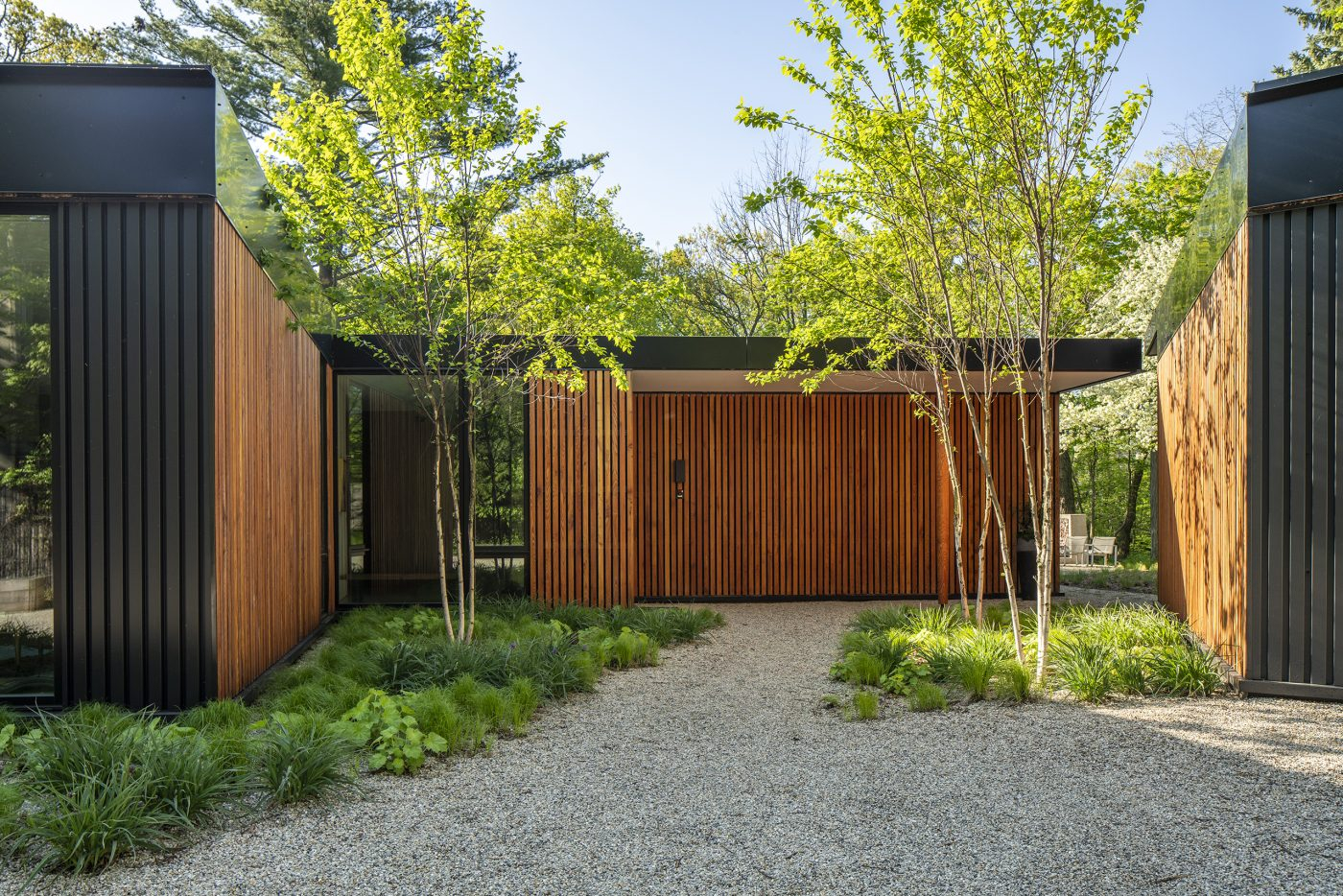
The strength of your fence hinges on the timber used for its posts. Though design details like rails and panels shape how it looks, support comes entirely from below. When posts weaken, even flawless craftsmanship cannot save the build. A poor choice leads to rot, sagging, or total breakdown over time. Picking wisely means weighing how long each type lasts against what you spend upfront. Some woods resist decay naturally but cost more; others demand treatment yet start cheaper. Performance matters just as much as price after years outdoors. Each option behaves differently under weather and soil conditions. Thinking ahead helps avoid repeat work later.
Picture this – different woods face off, their strengths unfolding as years pass. One stands apart, not by luck, but by how it handles wear. Choices matter more than labels. Some bend under weather, while others hold firm without fanfare. This look isn’t about trends – it's what stays solid when tested.
Fence Post Wood Importance
Down in the dirt, fence post wood face wetness every day along with bugs, shifting temps, and tiny organisms living in the soil. More so than other pieces of a fence, that exposure speeds up decay and weakens their strength over time. When the wood is solid to begin with, things stay upright longer, need less fixing, and everything lasts quite a bit further down the road.
Pressure Treated Pine: Affordable With Some Drawbacks
Pine soaked in preservatives shows up everywhere fences go, simply because it costs less and you can find it almost anywhere. Thanks to a chemical bath, rot stays away, and bugs think twice – perfect when posts meet soil.
Pros:
- Low upfront cost
- Easy to find
- Simple to install
Cons:
Relies on chemical preservatives
Over years, it might bend out of shape. Cracks sometimes show up later on. Splitting can happen as it ages. Shape shifts aren’t uncommon down the line.
Shorter lifespan compared to hardwoods
Though pressure-treated pine can survive 10 to 15 years, tough conditions tend to shorten its life. Sometimes rot sets in faster near coastal areas. Wet soil speeds up decay, even with chemical protection. Harsh weather breaks down the treatment over time. So what begins strong might falter by year eight. Moisture plus temperature swings weaken fibres gradually. Even treated wood isn’t immune to nature’s wear.
Cedar Is Soft But Naturally Resists Rot
Cedar stands out too when picking wood for fence posts, thanks to oils inside it that bugs and damp can’t easily damage.
Pros:
- Naturally decay-resistant
- Lightweight and easy to handle
- Attractive appearance
Cons:
- Softer than hardwoods
- Falling apart faster when touching soil directly
- Moderate lifespan
Cedar holds up well compared to raw wood – yet it might fall short when facing years of tough fence duty. Heavy loads tend to expose their limits over time.
Black Locust Fencing Posts
Starts strong with tough conditions – black locust stands up well where other woods fail. Its tight grain fights off decay, bugs, and maybe even time itself. Few materials match its mix of strength and staying power out in the open air.
Natural Durability
From deep within, black locust pulls out substances that fight rot on their own. Because of this, it stands up strong when buried in soil – places where most timbers give in.
Strength and Longevity
It holds up well because black locust is both dense and hard, so it won’t crack or split easily. Thanks to that toughness, fence posts built from this wood often survive five decades – sometimes longer – beating nearly every alternative.
Low Maintenance
Starting strong right away, black locust doesn’t demand constant care like pressure-treated wood. Since it fights off decay on its own, touch-ups every few years become unnecessary. Over months and years, that independence adds up – saving effort, saving money, and staying put without fuss.
Fence posts made from black locust come strong when sourced through specialists such as Black Locust Lumber. Their attention lands on uniform dimensions and dependable toughness every time. Whether it is a backyard job or something larger at a worksite, results hold up well. Quality stays steady because of how carefully each piece gets chosen.
Cost Versus Lasting Worth
Start by thinking about how long a wooden fence post will last, not just what it costs today. Pressure-treated pine might appear cheaper at first glance, yet needing repairs often adds up later on. Over years, those repeated fixes change the total expense completely.
With black locust, spending more at first pays off later because it lasts much longer. Since it needs replacing less often, crews work less, materials add up slower, and total job cost drops. The initial outlay is greater, yet time turns that into savings through durability.
Environmental Considerations
Certain woods last longer without harming nature around them. When it comes to pressure-treated types, chemical ingredients can become a problem – particularly near farms or delicate ecosystems.
Faster than most hardwoods, black locust stands up to weather without needing added chemicals. Sourced with care by businesses such as Black Locust Lumber, it becomes a smarter choice for today’s fences. Instead of relying on treatments, the wood relies on its own strength. Because forests are managed thoughtfully, each plank supports long-term forest health. Fences built from it last years, quietly fitting into natural landscapes.
Wood Type Applications
- Pressure-treated pine: Budget-friendly residential fences
- Cedar: Decorative or light-duty fencing
Fences around farms often use black locust wood. When it comes to borders between properties, this material shows up a lot. Over years of exposure, its durability stands out clearly.
When a build needs to last, black locust stands up better than most options. Toughness isn’t guesswork here – this wood proves itself over time.
Installation tips for better performance
One third of each post needs to go underground, no matter the timber used. Because without correct setup, rot happens faster. Water pooling around bases weakens them over time. So positioning matters just as much as material choice. Drainage gaps help keep moisture away naturally. That way, posts last longer even in damp soil.
Besides how well it's put together, what kind of timber you pick shapes how long it lasts.
Final Thoughts
Fence posts made of black locust might cost more up front, yet they last far longer than most alternatives. Pressure-treated pine saves money at first but needs frequent upkeep; cedar looks nice, though it weathers quickly over time. Strength and resistance to rot give black locust an edge when years matter more than months. Cost versus lifespan shifts the choice clearly once you count seasons instead of dollars.
Strong fences start with solid materials, like those offered by Black Locust Lumber – built to last through years without wavering. When long-term performance matters, few options match black locust, especially if sustainability and value are key concerns.
 Dutch
Dutch
 English
 Arabic
 French
 Spanish
 Portuguese
 Deutsch
 Turkish
 Italiano
 Russian
 Romaian
 Portuguese (Brazil)
 Greek
Greek
