


 Pro Benefits
 Über
Über
 Bedingungen
 Datenschutz
 Child Safety & Protection
 Benachrichtigungen
 Ayrush Global It Services Pvt Ltd
Common Mistakes in MEP Design (And How to Avoid Them)
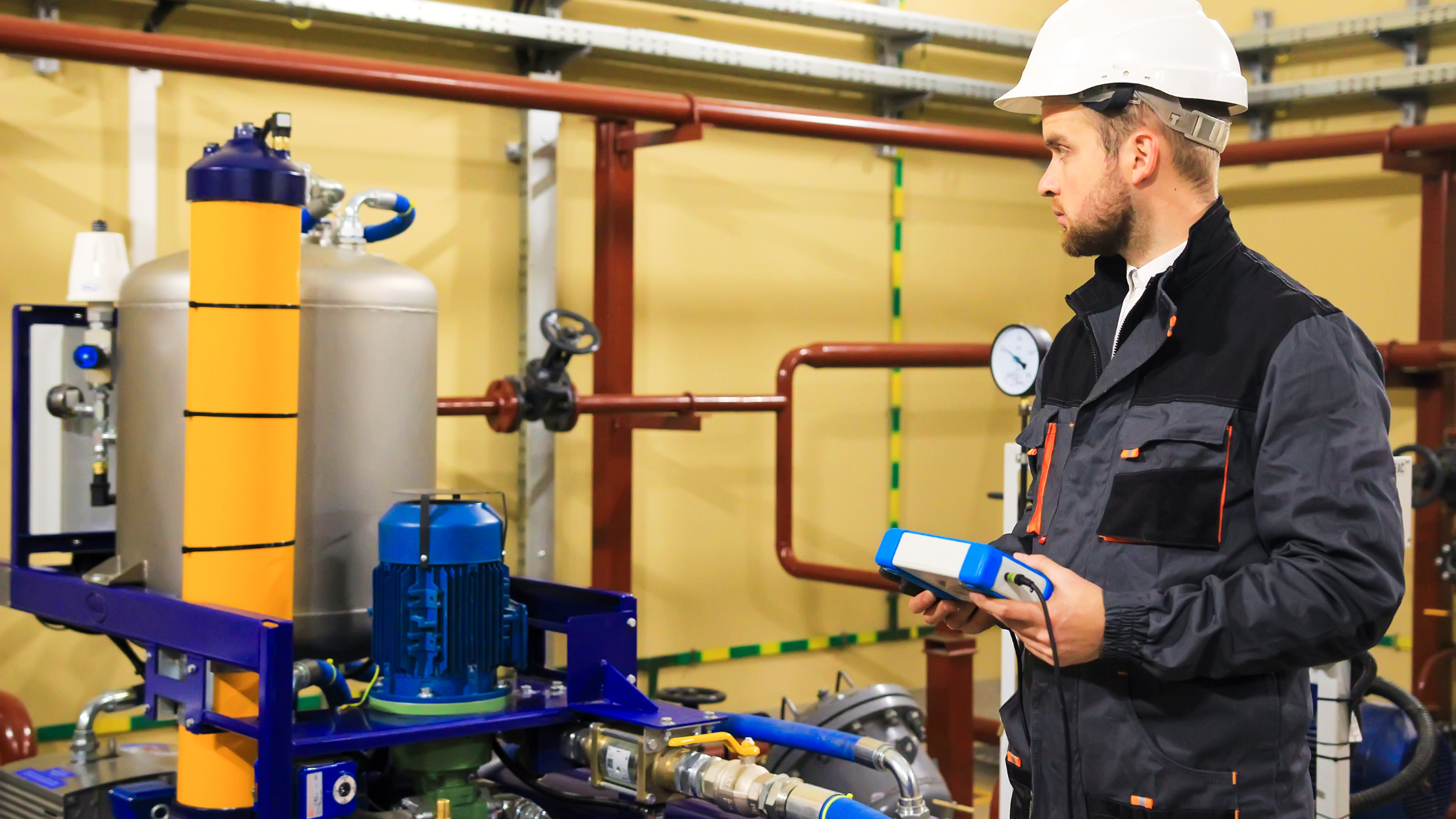
In modern construction, MEP (Mechanical, Electrical, and Plumbing) systems are the backbone of any building. They control everything from air quality and lighting to water supply and safety systems. However, even well-planned projects can face serious issues if MEP design is not handled properly.
Many construction delays, cost overruns, and operational problems can be traced back to common MEP design mistakes. Understanding these mistakes — and how to avoid them — can make a huge difference in project success.
1. Poor Coordination Between Disciplines
One of the most common mistakes in MEP design is lack of coordination between mechanical, electrical, plumbing, structural, and architectural teams.
When systems are designed in isolation, clashes occur — such as ducts interfering with beams or pipes overlapping electrical systems. These issues often appear during construction, leading to costly rework.
How to avoid it:
Use coordinated design processes and tools like BIM to ensure all systems are aligned before construction begins. Regular coordination meetings also help keep everyone on the same page.
2. Incorrect Load Calculations
Improper calculation of heating, cooling, and electrical loads can lead to oversized or undersized systems.
- Oversized systems waste energy and increase costs
- Undersized systems fail to meet performance requirements
Both scenarios affect comfort and efficiency.
How to avoid it:
Always perform accurate load calculations based on building usage, climate, occupancy, and design standards instead of relying on assumptions.
3. Ignoring Space Constraints
MEP design systems require adequate space within ceilings, shafts, and service areas. Ignoring space limitations during design leads to congestion and installation difficulties later.
This is especially problematic in high-rise and commercial buildings where space is limited.
How to avoid it:
Plan service spaces early in the design phase and ensure proper allocation for ducts, pipes, and cable trays.
4. Lack of Future Maintenance Consideration
Many designs focus only on installation, not long-term maintenance. Systems placed in inaccessible areas make repairs difficult and expensive.
How to avoid it:
Design with maintenance in mind. Ensure easy access to equipment, valves, panels, and critical components.
5. Poor Equipment Selection
Choosing the wrong equipment can affect performance, energy consumption, and system lifespan. Sometimes cheaper options are selected to reduce initial costs, but they lead to higher operational expenses.
How to avoid it:
Select equipment based on performance, efficiency, and lifecycle cost — not just initial price.
6. Inadequate Ventilation Planning
Ventilation is essential for indoor air quality and occupant health. Poor ventilation design can lead to discomfort, humidity issues, and even health risks.
How to avoid it:
Ensure proper airflow design, fresh air intake, and compliance with ventilation standards.
7. Overlooking Energy Efficiency
In many projects, energy efficiency is treated as an afterthought rather than a priority. This results in higher operating costs over the building’s life.
How to avoid it:
Incorporate energy-efficient systems such as smart controls, efficient HVAC systems, LED lighting, and optimized plumbing solutions from the beginning.
Conclusion
MEP design plays a critical role in the performance, safety, and efficiency of any building. While mistakes in design are common, they can be avoided with proper planning, coordination, and attention to detail.
By focusing on accurate calculations, system integration, and long-term performance, engineers can create MEP systems that not only function effectively but also add long-term value to the building.
In the end, successful MEP design is not just about installing systems — it’s about designing smarter, more efficient, and future-ready buildings.
 Deutsch
 English
 Arabic
 French
 Spanish
 Portuguese
 Turkish
 Dutch
Dutch
 Italiano
 Russian
 Romaian
 Portuguese (Brazil)
 Greek
Greek
