


 Pro Benefits
 Sobre
Sobre
 Termos
 Privacidade
 Child Safety & Protection
 Notificações
 Ayrush Global It Services Pvt Ltd
Comparing Server-Side and Client-Side Conversion Tracking
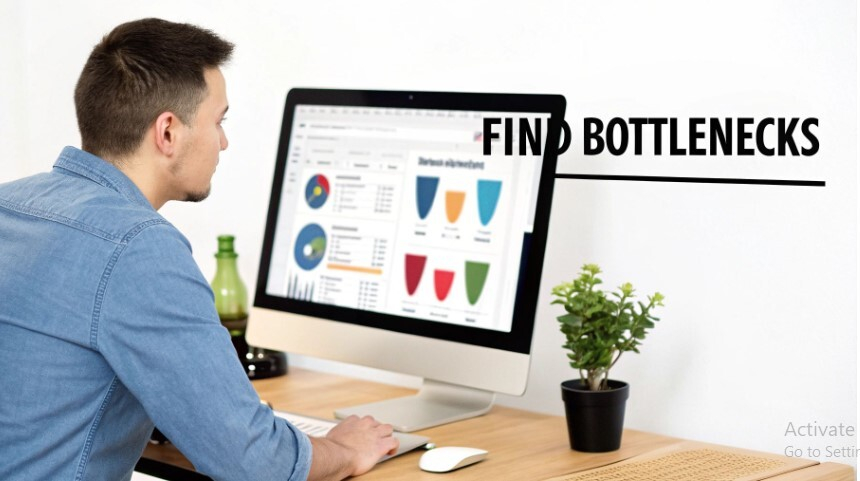
Selecting the appropriate technological infrastructure for monitoring digital advertising performance is the most critical decision a retail operator must make. The specific methodology utilized to record consumer behavior directly dictates the absolute accuracy of the financial data fueling the entire corporate marketing strategy. Relying on outdated or highly vulnerable tracking systems virtually guarantees severe data loss, leading to the massive misallocation of promotional budgets. Technical administrators must carefully evaluate the stark differences between traditional browser-based tracking and modern, deeply integrated data routing. The SaaS Hub provides essential software catalogs that assist technical teams in navigating this complex architectural transition successfully. Understanding the massive discrepancies between these two specific tracking methodologies is vital for maintaining a highly profitable online storefront.
Client-side tracking represents the traditional, highly vulnerable method for monitoring digital advertising conversions. This legacy architecture relies entirely on placing a microscopic piece of code directly into the consumer's web browser, which subsequently attempts to send data back to the advertising network when a purchase occurs. This specific methodology is incredibly fragile because it operates entirely within an environment controlled completely by the consumer. If a user deploys aggressive ad-blocking software, utilizes a highly secure browser, or simply suffers a momentary disruption in their internet connection, the tracking code completely fails to execute. This structural vulnerability results in massive volumes of finalized transactions completely disappearing from the advertising platform's performance reports.
In stark comparison, server-side tracking completely removes the highly unpredictable consumer browser from the entire data collection process. When a transaction is successfully completed, the digital storefront's internal server generates the conversion record and securely transmits that specific data directly to the advertising network's server via a closed API connection. Because this communication occurs entirely backend, it is completely immune to consumer privacy settings, ad-blocking extensions, and browser-level disruptions. This highly robust architectural model mathematically guarantees that absolutely every single verified transaction is accurately recorded and correctly attributed to the appropriate promotional campaign. Server-side integration completely restores absolute integrity to digital marketing analytics.
The installation and maintenance requirements for these two distinct methodologies also contrast heavily. Deploying traditional client-side code is generally a straightforward process, frequently requiring only a few simple clicks within the storefront's administrative dashboard. However, establishing a secure, highly reliable server-side connection historically required massive custom coding efforts and significant ongoing developer maintenance. Fortunately, modern software solutions have entirely removed this heavy technical burden. Utilizing the Best Advertising Pixel Apps for Shopify provides technical teams with pre-built, highly secure server-side integration frameworks that require absolutely zero custom programming to deploy. These specialized applications completely democratize access to enterprise-grade tracking architecture.
Analyzing the impact on overall website performance reveals another massive advantage of modern data routing. Client-side architecture requires the consumer's browser to actively load and execute multiple heavy tracking scripts simultaneously, significantly slowing down the total page rendering speed. Modern consumers possess zero patience for sluggish digital storefronts and will frequently abandon their shopping carts if a page hesitates for even a single second. Server-side integration entirely removes these heavy scripts from the front-end user experience, drastically accelerating overall page load times. This highly optimized technical performance directly contributes to significantly higher baseline conversion rates across the entire retail operation.
Conclusion
Evaluating the structural mechanics of digital data collection clearly demonstrates the absolute superiority of deeply integrated server connections. By completely bypassing highly volatile consumer browsers, mathematically eliminating data loss, and drastically accelerating page load speeds, modern tracking models provide a massive competitive advantage. Organizations that refuse to abandon their antiquated client-side methodologies will inevitably succumb to severely inaccurate data and highly inefficient advertising algorithms. Embracing robust tracking automation is the only proven method for building a highly resilient retail operation.
Call To Action
Upgrading from legacy browser tracking to a highly automated data pipeline requires the implementation of robust enterprise integration platforms. Accessing detailed software reviews and technical comparisons allows administrative directors to accurately evaluate the capabilities of competing systems securely. We strongly advise utilizing comprehensive technology directories to inform your vital infrastructural upgrades.
Visit
Discover the advanced server-side applications required to modernize your digital operations completely by exploring https://thesaashub.com/ right away.
 Portuguese (Brazil)
 English
 Arabic
 French
 Spanish
 Portuguese
 Deutsch
 Turkish
 Dutch
Dutch
 Italiano
 Russian
 Romaian
 Greek
Greek
