


 Pro Benefits
 About
About
 Terms
Terms
 Privacy
 Child Safety & Protection
 Notifications
 Ayrush Global It Services Pvt Ltd
The Future of Self-Storage: How Smart Technology Is Improving Climate Regulation
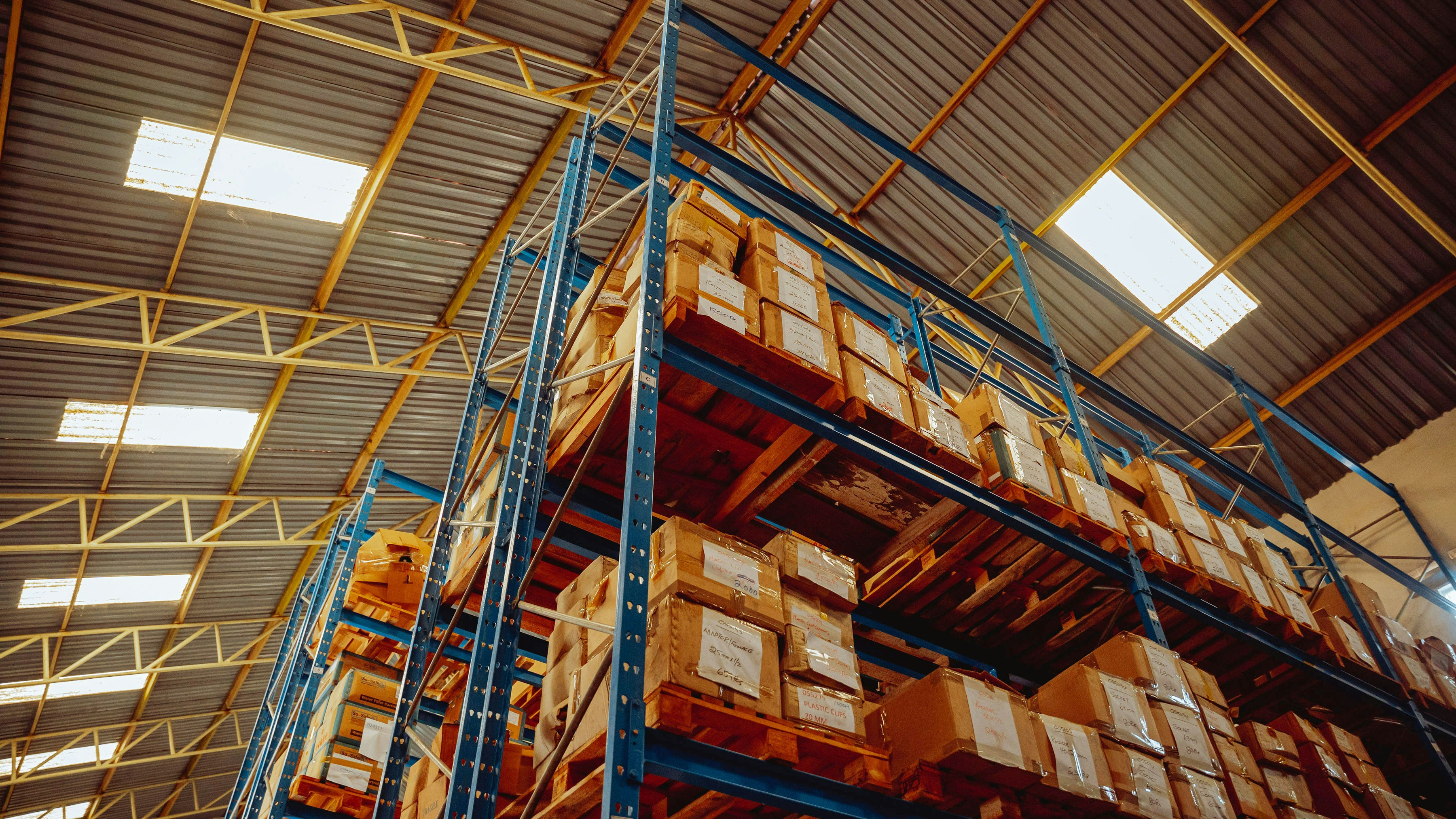
For decades, the self-storage industry was defined by a simple value proposition: a lock, a key, and a concrete box. Historically, "climate control" was a vague term, usually referring to a central air conditioner that kept a hallway from becoming an oven while offering little precision or individual-unit monitoring. However, as we move through 2026, a fundamental reset is underway. Driven by the Internet of Things (IoT), Artificial Intelligence (AI), and a new demand for hyper-transparency, the industry is evolving into a tech-centric service. The future of self-storage is becoming "smart," and this evolution is most evident in how modern facilities have revolutionized the way they manage environmental stability.
IoT and the Precision of Individual Units
The most significant shift in modern storage is the move from building-wide temperature management to unit-specific monitoring. In the past, a facility manager might check a single thermostat in a lobby to ensure the entire floor was adequate, but today, the integration of IoT sensors has changed the game. These small, low-power sensors are now embedded in individual units to monitor temperature and relative humidity in real time, communicating with a central hub that enables the HVAC system to divert airflow to specific zones. Climate-controlled storage has thus become a transparent experience, where tenants can check a smartphone app to see the exact atmospheric conditions in their unit, providing a level of peace of mind that traditional, opaque storage simply cannot match.
AI and Predictive Climate Management
While IoT provides the data, Artificial Intelligence provides the "brain" required to act on it. Modern facilities are moving away from reactive cooling—waiting for a temperature spike before turning on the AC—toward predictive regulation. AI algorithms now analyze external weather forecasts alongside internal sensor data; if a massive humidity spike is predicted due to an incoming storm or monsoon, the AI can pre-condition the facility and adjust dehumidification cycles before the moisture even reaches the building. Furthermore, machine learning is used for predictive maintenance, analyzing compressor power draw to detect mechanical failures weeks before they occur, ensuring the internal environment never falters.
Efficiency through Sustainable Technology
Historically, maintaining a constant temperature in massive warehouses was an energy-intensive and environmentally taxing endeavour. The industry's future is focused on "climate-smart" engineering that balances protection with sustainability. Facilities are now utilizing dynamic load balancing, where AI-driven systems optimize cooling based on occupancy and gate activity to save energy without compromising safety. This is paired with physical innovations like reflective "cool roofs" and high-R-value spray foam insulation. Many 2026-era facilities are even utilizing rooftop solar arrays to power their climate systems, creating a self-sustaining loop that lowers operational costs and reduces the carbon footprint of the storage process.
The Evolution of the Service Model
The technological leap in climate regulation is expanding the types of goods people are willing to store, turning units into specialized hubs for niche industries. We are seeing a rise in smart storage for pharmaceuticals, where automated compliance logging ensures that medical samples remain within strict legal parameters. Similarly, e-commerce entrepreneurs are using these units as micro-warehouses for high-end apparel or perishables, relying on automated alerts to maintain stock quality. Ultimately, the future of self-storage is no longer about just renting space; it is about renting a high-tech preservation service. Through the synergy of IoT, AI, and sustainable engineering, the industry is effectively mitigating external risks to ensure that personal and professional treasures remain perfectly intact.
Conclusion
The future of self-storage has evolved from passive space into an active, tech-driven service. By integrating IoT precision and AI-driven predictive management, modern facilities ensure absolute environmental stability. This shift toward smart climate-controlled storage guarantees that whether you are storing heirlooms or inventory, your valuables remain perfectly preserved.
 English
 Arabic
 French
 Spanish
 Portuguese
 Deutsch
 Turkish
 Dutch
Dutch
 Italiano
 Russian
 Romaian
 Portuguese (Brazil)
 Greek
Greek
