


 Pro Benefits
 Über
Über
 Bedingungen
 Datenschutz
 Child Safety & Protection
 Benachrichtigungen
 Ayrush Global It Services Pvt Ltd
Permanent Jewelry vs Traditional Jewelry: Key Differences
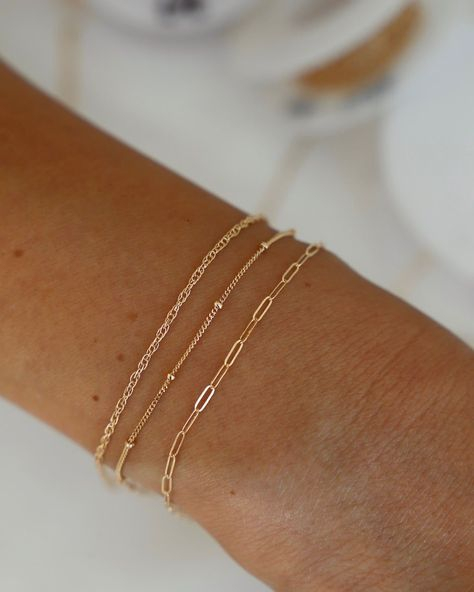
Jewelry has always been more than just decoration; it’s a way to express identity, mark milestones, and connect with others. In recent years, a new trend has emerged in the jewelry world: permanent jewelry.
Unlike traditional pieces that you take on and off, jewelry is designed to stay on your body indefinitely, until it’s intentionally removed by cutting or unfastening with special tools. This shift has sparked curiosity and debate among fashion lovers, raising the question: how does jewelry really differ from traditional jewelry?
In this article, we’ll explore the key differences between these two styles — from design and wearability to symbolism and practicality — to help you understand what each offers and which might suit your lifestyle or personal style best.
What Is Permanent Jewelry?
Permanent jewelry refers to pieces — most often bracelets, necklaces, anklets, or rings — that are welded or soldered closed directly onto the wearer. This means there is no clasp, hook, or removable closure. Instead, the ends of a chain are joined seamlessly so the piece forms a continuous loop that cannot be removed without cutting or professional assistance.
Because of this unique installation process, permanent jewelry is intended for continuous, everyday wear. People often choose materials like gold, gold-filled, or sterling silver for these pieces because they are durable and resistant to daily exposure.
Unlike a piercing, which is a body modification, permanent wraps around a body part — typically a wrist, ankle, neck, or finger — without any invasive procedure.
What Is Traditional Jewelry?
Traditional jewelry encompasses the vast majority of jewelry styles most of us are familiar with. These pieces have clasps, hooks, or other fasteners that allow you to put them on and take them off whenever you choose. They include everything from everyday studs and bangles to heirloom necklaces and statement rings.
Traditional jewelry can vary widely in materials, styles, and price points — from fine gold and platinum pieces to fashion jewelry made of base metals and gemstones. This variety allows for endless creativity and personalization.
Core Differences
Let’s break down the key differences between permanent and traditional jewelry across several important aspects.
1. Wearability and Functionality
Permanent Jewelry
Designed to be worn 24/7 — even while showering, swimming, or sleeping.
No clasp means no snagging on clothing and no accidental openings.
Removal requires cutting the piece or professional assistance, which can be inconvenient.
Traditional Jewelry
Easily removed or changed depending on outfit, mood, or occasion.
Clasps and closures can wear out over time and are common points of failure.
Offers flexibility to mix and match with other accessories.
Bottom Line: Jewelry is about simplicity and permanence, while traditional jewelry emphasizes versatility and convenience.
2. Style and Variety
Jewelry
Generally features simple, delicate chains and minimalist designs.
Limited in terms of layering and pairing with other jewelry on the same body part due to the lack of a clasp.
Traditional Jewelry
Available in countless styles, shapes, sizes, and materials.
Easier to layer, stack, or coordinate with different looks.
Bottom Line: Traditional jewelry wins in variety and creative expression, while jewelry tends toward minimalism and continuity.
3. Symbolism and Emotional Meaning
Jewelry
Often chosen to represent a bond, memory, or milestone — like friendship, love, or self-commitment.
The act of welding the piece on creates a shared experience for friends or partners.
Traditional Jewelry
Can be deeply sentimental too — think heirlooms or gifts — but doesn’t inherently carry the “always on” symbolism.
Bottom Line: jewelry often carries a story or emotional weight tied to its permanence, while traditional jewelry’s meaning is usually personal and varied.
4. Durability and Maintenance
Jewelry
Designed for long-term wear and often made from metals that resist tarnishing and corrosion.
Because it’s worn constantly, cleaning and maintenance require care without removal.
Traditional Jewelry
May need to be removed for activities like swimming or workouts to prevent damage.
Clasps and fasteners are common wear points and may require repair or replacement.
Bottom Line: Jewelry is low-maintenance in terms of wearing, but traditional jewelry may be easier to care for because it can be taken off.
5. Cost Considerations
Permanent Jewelry
Price can vary based on metal and design, but the cost of installation (welding) is part of the experience.
Some find permanent pieces more affordable because they are typically simple chains.
Traditional Jewelry
Range from affordable fashion pieces to high-end luxury items.
Cost depends on design complexity, gemstones, brand, and craftsmanship.
Bottom Line: Traditional jewelry offers more pricing diversity, while jewelry’s cost is tied to materials and the welding service.
Pros and Cons Summary
|
Feature |
Jewelry |
Traditional Jewelry |
|
Wearability |
Always on |
Removable |
|
Variety |
Limited styles |
Endless options |
|
Symbolism |
Strong emotional meaning |
Personal or stylistic |
|
Maintenance |
Low daily, tricky deep cleaning |
Removable for cleaning |
|
Durability |
No clasps to fail |
Clasps may wear out |
Which One Should You Choose?
Your choice depends on your priorities:
Choose Permanent if:
You want a meaningful, always-on piece that symbolizes commitment or connection, and you love minimal, seamless design.
Choose Traditional Jewelry if:
You want flexibility to change your look, layer different pieces, and enjoy a wide range of styles and materials.
For many people, the best approach is a mix of both. A permanent bracelet might serve as a daily reminder of something meaningful, while traditional pieces can enhance your outfit for special occasions or personal expression.
Final Thoughts
Permanent jewelry is more than a trend — it’s a modern twist on how we wear jewelry, blending fashion with emotion and experience. Traditional jewelry, on the other hand, remains timeless and versatile, offering endless possibilities for style and personal expression.
Whether you prefer the simplicity and symbolism of a welded chain or the versatility and variety of traditional pieces, both have their place in a thoughtful jewelry collection. The key is understanding what each style offers and choosing what resonates with you — whether that’s lasting connection or creative expression.
 Deutsch
 English
 Arabic
 French
 Spanish
 Portuguese
 Turkish
 Dutch
Dutch
 Italiano
 Russian
 Romaian
 Portuguese (Brazil)
 Greek
Greek
