


 Pro Benefits
 Σχετικά
 Όρους
Όρους
 Ιδιωτικότητα
 Child Safety & Protection
 Ειδοποιήσεις
 Ayrush Global It Services Pvt Ltd
The Volcanic Signature: Why Authentic Pacific Arabica Stands Alone
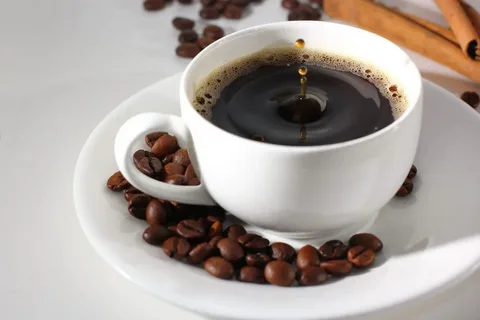
The quest for the world’s most refined cup often leads to a jagged, verdant strip of land on the leeward slopes of the Big Island. Here, the intersection of ancient geology and a highly specific microclimate creates a biological pressure cooker for the Arabica Typica tree. Unlike the sprawling, industrialized plantations found in the high plains of South America or the dense jungles of Southeast Asia, this region is defined by its "verticality" and its "porosity." The cooled basaltic flows from the surrounding volcanoes have created a substrate that functions as a massive, natural drainage system, ensuring that the root systems of heritage trees are never saturated, even during the most intense tropical downpours.
This geological foundation is only half of the story. The atmospheric conditions of the district provide a daily rhythmic cycle that acts as a natural thermostat. Each morning, the intense Pacific sun warms the slopes, triggering rapid photosynthesis and energy production within the coffee cherries. By early afternoon, a consistent blanket of cloud cover rolls in from the ocean, providing a cooling "parasol" effect that slows the maturation of the fruit. This extended ripening period is essential for density; it allows the plant more time to pull complex minerals from the volcanic earth and convert them into the nuanced sugars and aromatic oils that define a world-class harvest.
To appreciate the depth of this heritage, one must look past the generic marketing and into the rigorous standards of the small family estates that populate the region. These are not corporate holdings, but artisanal operations where the trees are often older than the farmers tending them. By maintaining these heritage lineages and adhering to hand-harvesting traditions, these growers preserve a flavor profile characterized by a silken mouthfeel and a complete absence of the harsh, ashy bitterness found in commercial-grade beans. It is a commitment to a standard of excellence that begins in the obsidian-colored soil and ends in a cup that serves as a liquid record of the island's unique environmental harmony.
The Mineral Matrix: How Basaltic Foundations Shape the Cup
The chemistry of the ground in this district is fundamentally different from traditional agricultural soil. While most farming relies on topsoil rich in organic decay, the trees here grow directly into the weathered remnants of lava flows. This basaltic rock is packed with potassium, magnesium, and calcium—minerals that are critical for the synthesis of organic acids within the coffee seed. This mineral-rich hydration results in a bean that possesses a higher "specific gravity" or density. When these dense seeds hit the roaster, they conduct heat more efficiently, allowing for a deep, even caramelization that brings out the characteristic notes of toasted nuts and brown sugar.
Furthermore, the lack of traditional "dirt" means that the trees must anchor themselves deep within the cracks of the basalt. This forced exploration allows the roots to access deep-seated water and micro-nutrients that are often unreachable in shallower soil types. This geological "stress" is actually a benefit for the flavor profile; it triggers a defense mechanism in the plant that concentrates sugars within the cherry to protect the developing seed. The result is a bean that isn't just a caffeine delivery system, but a complex chemical map of the mountain's own mineral history.
Deciphering the Hierarchy of Hawaii’s Grading System
In the world of specialty agriculture, size and density are the primary metrics of quality. The Hawaii Department of Agriculture maintains a strict "Chain of Custody" and grading hierarchy to ensure that the reputation of the region remains untarnished. The top tier, Extra Fancy, requires the beans to be of a specific large screen size and to have virtually zero visual defects. These large beans are prized because they contain the highest concentration of aromatic oils and roast more uniformly in the drum, preventing the "scorched" flavors associated with unevenly sized batches.
Behind the top tier are the Fancy, Number 1, and Select grades. While these may be slightly smaller in physical dimensions, they carry the same genetic lineage and volcanic terroir. The grading process is a vital safeguard against the "blending" practices that have historically plagued the market. By insisting on a 100 percent Kona coffee certified label, the consumer is guaranteed that the nuanced profile of the volcanic soil has not been diluted by cheaper, high-yield imports. It is a system that values transparency and rewards the farmer for the extra labor required to sort and mill their crop to perfection.
The Hand-Selection Ritual: Why Mechanization Fails
Mechanization has no place on the steep, rocky slopes of the Pacific's most famous coffee belt. While much of the global industry has moved toward mechanical "strip-harvesting," which pulls ripe and green cherries off the branch simultaneously, the great estates here rely exclusively on hand-picking. This is a mechanical necessity for flavor. An unripe cherry contains high levels of malic acid that can make a brew taste metallic, while an over-ripe cherry can introduce fermented, vinegary notes that ruin an entire batch.
By employing experienced pickers who can identify the exact shade of "cherry red" that indicates peak sugar content, farmers ensure a more uniform fermentation. Once the fruit is picked, it is immediately processed to remove the skin and pulp. This "wet-processing" method clarifies the flavor, allowing the natural sweetness of the volcanic bean to move to the foreground. This labor-intensive cycle is repeated several times throughout the harvest season, as the cherries on a single tree do not all ripen at once. It is a slow, methodical process that guarantees every bean in the sack has reached its full biological potential.
The Thermal Dynamics of Small-Batch Roasting
Roasting a high-density volcanic bean is an exercise in temperature control. Because the cellular structure of these seeds is so tight, they require a higher initial "charge temperature" to begin the caramelization process. However, as the roast progresses toward the "first crack," the master roaster must carefully taper the heat to prevent the delicate floral top notes from being incinerated. A medium roast is typically the goal, as it strikes the balance between the development of chocolatey base notes and the preservation of the bean’s inherent citrus and honey undertones.
During the Maillard reaction—the chemical dance between amino acids and reducing sugars—the bean begins to take on its final aromatic profile. In a small-batch roaster, the airflow can be adjusted second-by-second to influence the "Rate of Rise." This level of micro-management ensures that the sugars don't just burn, but instead transform into complex caramels. The resulting bean should have a smooth, mahogany surface with a slight sheen of natural oils, signaling that the flavor is locked in and ready for extraction. This level of precision ensures that the hard work of the farmer is translated directly into the consumer's experience.
Ethical Viticulture and the Canopy System
Modern Hawaiian farming has seen a shift toward "integrated forest management." Instead of clear-cutting land for open-sun plantations, many of the most respected estates utilize a canopy system. Coffee trees are planted beneath a layer of taller fruit and nut trees, providing several ecological benefits. The shade from these taller trees further slows the maturation of the coffee cherries, while the falling leaves provide a natural, organic mulch that replenishes the nitrogen in the volcanic soil.
This polyculture approach also serves as a sanctuary for local wildlife. By avoiding monoculture, farmers reduce the risk of pest outbreaks, as the diverse environment supports predatory insects that keep harmful beetles in check. This reduction in chemical intervention not only protects the island's fragile watershed but also ensures that the final product is as pure as possible. Sustainable farming is not just an ethical choice in the islands; it is a practical strategy for maintaining the health of the land for future generations of growers.
The Sensory Signature of the High-Altitude Estate
When a cup of premium estate coffee is brewed correctly, the sensory experience is multi-layered. The initial aroma is often described as "fragrant," with hints of jasmine, honey, or dried apricot. Upon the first sip, the palate detects a bright, wine-like acidity that is quickly followed by a heavy, buttery mouthfeel. This "silken" texture is a hallmark of the region, a physical sensation that lingers long after the liquid has been swallowed. It is a profile that is both powerful and delicate, demanding the drinker's full attention.
To achieve this level of clarity, enthusiasts often turn to "immersion" or "slow-drip" brewing methods. By using a ceramic pour-over or a glass siphon, one can control the water temperature and the "bloom" time, ensuring that volatile gases are released before the final extraction begins. This precision honors the work of the farmer and the roaster, allowing the true terroir of the volcanic slopes to be expressed without interference. It is the ultimate expression of the plant's potential, a beverage that bridges the gap between agriculture and fine art.
Conclusion
The enduring legacy of the Pacific’s most famous coffee belt is a testament to what happens when nature’s most violent forces—volcanoes—are met with human patience and care. The unique geological "vault" of the Kona slopes provides a foundation for growth that is unmatched anywhere else on Earth. By respecting the natural cycles of the sun and the rain, and by adhering to the world's most stringent grading standards, the local agricultural community has created a product that is a global benchmark for luxury.
As we look toward the future of specialty crops, the importance of origin transparency and environmental stewardship becomes even more apparent. Supporting 100% pure estate harvests is a way to ensure that the heritage trees and the traditional hand-picking methods are preserved. The distinct flavor profile—defined by its smoothness, its bright acidity, and its deep mineral finish—is a reminder of the power of the land. It is a beverage that tells the story of the islands, one bean at a time.
 Greek
Greek
 English
 Arabic
 French
 Spanish
 Portuguese
 Deutsch
 Turkish
 Dutch
Dutch
 Italiano
 Russian
 Romaian
 Portuguese (Brazil)
