


 Pro Benefits
 About
About
 Koşullar
 Gizlilik
 Child Safety & Protection
 Bildirimler
 Ayrush Global It Services Pvt Ltd
Water Sanitation Methods for Rural Areas: Simple and Affordable Solutions
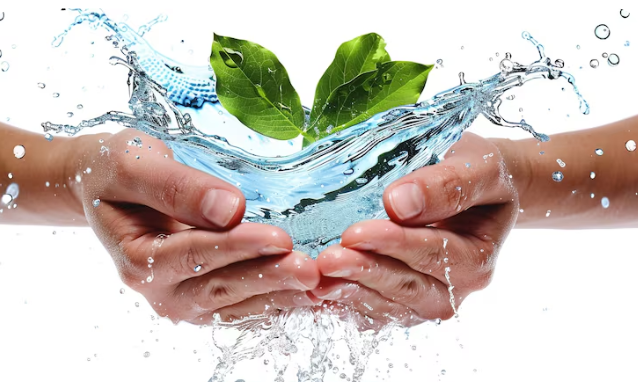
Clean water is not a luxury it is a basic human right. Yet millions of people in rural India and across the developing world still lack access to safe drinking water. Understanding practical water sanitation methods can mean the difference between a healthy community and one plagued by preventable disease.
This guide breaks down the most effective, affordable, and easy-to-implement of water purification approaches for rural settings in simple language anyone can understand.
Why Water Sanitation Matters More Than Water Availability
Access to pure and clean drinking water is a fundamental requirement for healthy human communities. Even if water is available at a particular location, ensuring that it is pure and drinkable is even more important.
Drinking contaminated water can lead to debilitating diseases like gastrointestinal infections, hepatitis, and cholera, as well as life-threatening issues from extremely harmful chemical contaminants like arsenic or fluoride. Beyond human health concerns, releasing untreated and contaminated wastewater is also one of the most harmful disruptors that a natural ecosystem can face resulting in dead aquatic life, algal blooms, and overall degradation.
Clean and purified water invariably leads to an improvement in the quality of life of people ensuring hygiene, reducing outbreaks of disease, lowering healthcare costs, and often enhancing livelihoods across sectors as varied as agriculture and tourism.
How Does Water Purification Work? A Simple Overview
Overall, water purification involves the removal of disease-carrying microorganisms, chemical contaminants, and suspended solids. In practice, this purification process follows a clear sequence:
-
Coagulation and Flocculation — isolates fine solids by clumping them together
-
Sedimentation — allows heavier particles to settle to the bottom
-
Filtration — passes water through sand, ceramic, or membrane filters
-
Disinfection — eliminates bacteria, viruses, protozoa, and pollutants using chlorine, ozone, or UV light
Understanding this process helps rural communities make informed choices about which method suits their needs and resources best.
Common Water Sanitation Methods: Pros and Cons
Each purification approach comes with its own advantages and limitations. Here is a clear breakdown:
1. Boiling and Distillation (Heat-Based Methods)
Boiling is the oldest and most universally accessible water sanitation method. It effectively kills most pathogens using nothing more than fire and a vessel.
Distillation takes this further by separating pure water vapour from contaminants. Both methods are highly effective against microbes but they require significant energy, can be slow, and do not remove chemical pollutants like arsenic or fluoride.
Best for: Areas with high microbial contamination and access to firewood or fuel.
2. Filtration (Sand, Ceramic, and Activated Carbon)
Filtration using media such as ceramics, sand, and activated carbon removes particles and some chemicals. Slow sand filters, in particular, are a low-cost, low-maintenance option ideal for rural settings.
However, filtration has limited success in removing viruses and requires regular cleaning and upkeep to remain effective.
Best for: Off-grid communities with limited energy access.
3. Solar Disinfection (SODIS)
One of the most affordable rural water treatment options, SODIS requires nothing more than a clear plastic bottle and sunlight. Fill the bottle with water and leave it in direct sunlight for at least six hours. UV rays from the sun naturally inactivate most harmful microorganisms.
Best for: Remote, sunny rural areas with minimal resources.
4. Reverse Osmosis (RO)
Reverse Osmosis uses a fine membrane to remove nearly all contaminants, including salt and heavy metals. It is one of the most thorough water purification methods available but it wastes significant water in the process and requires electricity and maintenance.
Best for: Areas with high fluoride, arsenic, or dissolved salt levels.
5. UV Disinfection
UV disinfection uses light to inactivate microbes without any chemicals. It is fast, effective, and leaves no taste or odour. However, it requires pre-filtered, clear water to work properly and does not remove chemical contaminants.
Best for: Communities with access to electricity and relatively clear water sources.
6. Chemical Tablets (Chlorine/Iodine)
Portable and extremely affordable, chlorine or iodine tablets are widely used for emergency water treatment and by travellers. They are effective against most bacteria and viruses but may leave an unpleasant taste and are not suitable for long-term daily use.
Best for: Emergency situations and short-term travel needs.
Choosing the Right Water Sanitation Method for Your Community
Several factors influence the selection of the best water purification option ranging from the state of the water to be purified, to budget constraints:
|
Situation |
Recommended Method |
|
High microbial contamination |
Boiling, UV, SODIS |
|
High arsenic or fluoride |
RO or Distillation |
|
Off-grid, no electricity |
Slow Sand Filter, SODIS |
|
Emergency or travel use |
Chemical Tablets, Portable Filters |
|
Residential or community scale |
Multi-stage Membrane Filtration |
Much like energy and food security, having constant and reliable access to pure water is a limiting factor to the development of countries and communities influencing everything from health to productivity.
FAQs:
Q1. What is the most effective water sanitation method for rural areas?
The most effective and affordable combination for rural areas is slow sand filtration paired with solar disinfection (SODIS). For areas with chemical contaminants like arsenic or fluoride, Reverse Osmosis (RO) is the most reliable option. The best approach depends on local water quality, available resources, and community size.
Q2. How can I purify water at home naturally without electricity?
You can purify water naturally at home using solar disinfection (SODIS) fill a clear plastic bottle and leave it in direct sunlight for at least 6 hours. Alternatively, build a slow sand filter using layers of sand and gravel. Boiling is also a highly effective natural method that requires only a heat source.
Q3. Why is water sanitation important for rural communities?
Water sanitation is essential because contaminated water causes deadly waterborne diseases like cholera, dysentery, and typhoid. Safe water also protects against long-term chemical poisoning from arsenic or fluoride, and enables proper hygiene which can reduce illness by up to 90% in vulnerable communities. Access to clean water directly improves health, productivity, and economic development in rural areas.
Clean Water, Thriving Communities
While no single silver-bullet approach may be appropriate in every instance, selecting and applying the most effective water sanitation method is the key to securing virtually every parameter of human health and prosperity.
The solutions are available many of them simple, affordable, and proven. What rural communities need is access to the right information, local support, and the collective will to implement and maintain these systems for generations to come.
 Turkish
 English
 Arabic
 French
 Spanish
 Portuguese
 Deutsch
 Dutch
Dutch
 Italiano
 Russian
 Romaian
 Portuguese (Brazil)
 Greek
Greek
