In today’s world, where indoor air pollution can quietly affect your health and comfort, finding the right air-cleaning solution has never been more important. Air purifiers have become a popular choice for homes and workplaces, offering a reliable way to remove dust, allergens, and harmful particles. However, alongside these systems, ozone-generating devices are often marketed as powerful air cleaners—creating confusion for many consumers.
While ozone can help neutralize strong odors and certain pollutants, it is not always a safe option for everyday use. In fact, exposure to elevated ozone levels may lead to respiratory irritation, especially for children, the elderly, and individuals with asthma or allergies. On the other hand, modern air purifiers—particularly those equipped with HEPA filters and activated carbon—are designed to clean the air efficiently without introducing harmful byproducts.
Understanding the difference between these technologies is key to making an informed decision. A truly effective air purification system should not only improve air quality but also ensure the safety and well-being of everyone in the space. By choosing wisely, you can create an environment that feels fresher, healthier, and more comfortable every day.
Key Points to Consider:
- Understanding Air Purifiers:
Air purifiers and ozone work by drawing in air and passing it through multiple filtration layers. HEPA filters capture tiny particles like dust, pollen, pet dander, and even some bacteria, while activated carbon helps remove odors and harmful gases. This makes them ideal for maintaining clean and breathable indoor air.
- What is Ozone and How is it Used?:
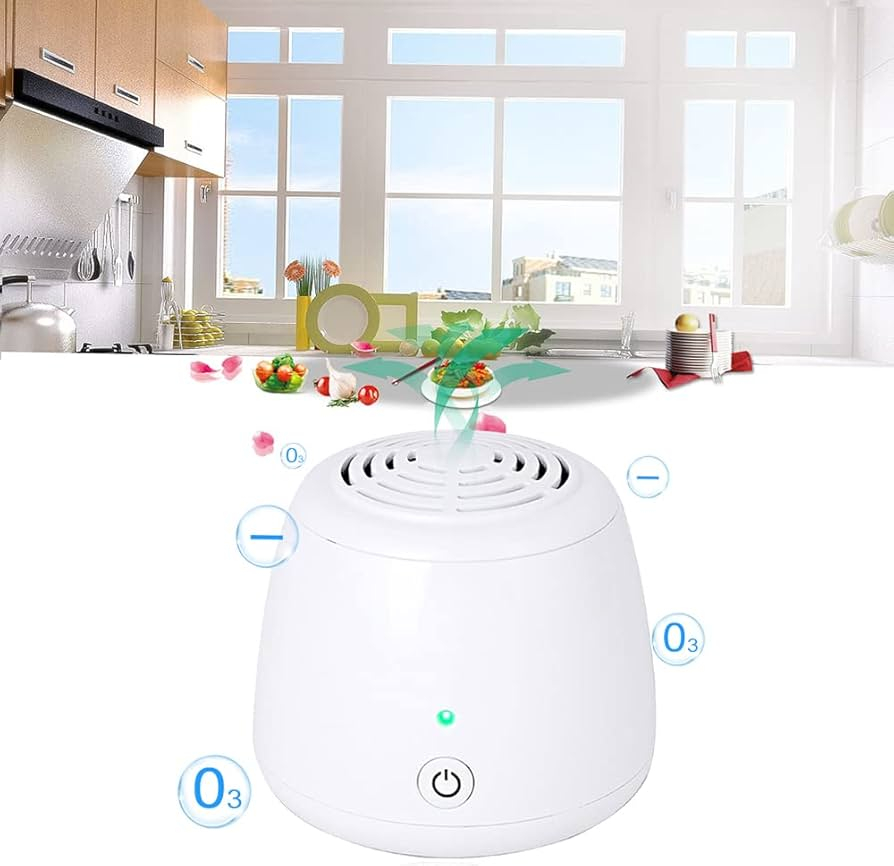
Ozone is a gas made up of three oxygen atoms. Some air-cleaning devices intentionally produce ozone to break down odors, smoke, or chemical pollutants. While it may seem effective, its use in occupied indoor spaces is widely debated.
- Health Risks of Ozone Exposure:
High levels of ozone can irritate the respiratory system, causing coughing, throat irritation, chest discomfort, and shortness of breath. Long-term exposure may worsen existing conditions like asthma and reduce overall lung function.
- Air Purifiers vs. Ozone Generators:
Unlike ozone generators, true air purifiers are designed to remove contaminants without releasing harmful substances. They focus on filtration rather than chemical reactions, making them a safer and more dependable option for daily use.
- Best Choice for Homes and Offices:
HEPA-based air purifiers are generally recommended for indoor environments where people spend long hours. They offer consistent performance and peace of mind without the risks associated with ozone exposure.
- Things to Check Before Buying:
Always read product specifications carefully. Look for certifications, filtration types, and ensure the device does not produce harmful levels of ozone. Choosing a trusted and tested system can make a significant difference in your indoor air quality.
- Creating a Healthier Indoor Environment:
Along with using a reliable air purifier, regular cleaning, proper ventilation, and controlling humidity levels can further improve the quality of your indoor air.
Clean air should never come at the cost of your health. By understanding the role of ozone and choosing advanced air purification solutions, you can ensure that every breath you take indoors is truly safe, fresh, and beneficial for your well-being.



 Pro Benefits
 Environ
 Conditions générale de vente
 Confidentialité
 Child Safety & Protection
 Notifications
 Ayrush Global It Services Pvt Ltd
 French

 English
 Arabic
 Spanish
 Portuguese
 Deutsch
 Turkish
 Dutch
Dutch
 Italiano
 Russian
 Romaian
 Portuguese (Brazil)
 Greek
Greek