


 Pro Benefits
 About
About
 Terms
Terms
 Privacy
 Child Safety & Protection
 Notifications
 Ayrush Global It Services Pvt Ltd
Prototyping Plastic Injection Molding Products: Fast Turnaround Guide
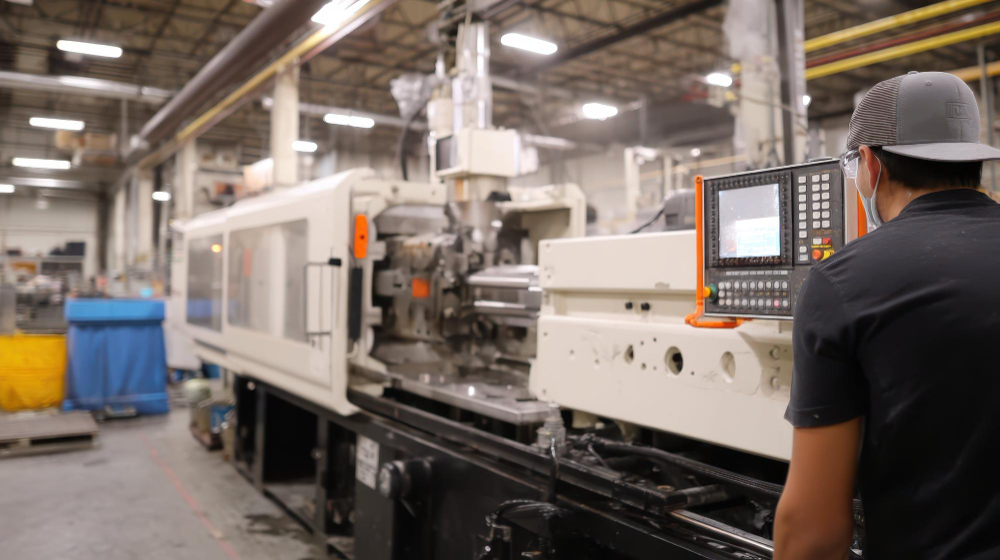
Engineers need to develop a physical model to test the functionality and fit of a new design. They do this before committing to mass production. Creating high-quality plastic injection molding products requires a methodical approach to material testing and mold geometry. These early versions give us the data needed to improve the part and keep costly mistakes from happening during the final stages of production.
Utilizing Aluminum Tooling for Speed
Aluminum molds are ideal for tasks that need a quick testing turnaround during the initial testing phase. This softer metal dissipates heat much faster than traditional steel, which allows for shorter cycle times during each press. Using aluminum also reduces the initial investment. At the same time, providing enough durability to produce several hundred sample units.
Implementing 3D Printed Mold Inserts
Modern additive manufacturing allows for the creation of complex mold inserts that can be dropped into a standard metal frame. This technique enables the production of plastic injection molding products in a matter of days instead of several weeks. These inserts work best for small batches where the primary goal is to verify the aesthetic look and basic mechanical properties.
Optimizing Wall Thickness for Uniformity
Maintaining a consistent wall thickness throughout the part prevents common defects like sink marks or internal voids. Engineers should aim for a thickness that allows the molten resin to flow smoothly into every corner of the cavity. Uniform walls also help the part cool at an even rate, which reduces the risk of warping after the part is ejected.
Analyzing Gate Placement and Flow
The location where the plastic enters the mold cavity has a major impact on the strength and appearance of the final piece. Placing the gate in a hidden area prevents visible blemishes on the functional surfaces of the part. A well-placed gate also reduces the internal stress of the material, which leads to a more stable and durable component.
Verifying Draft Angles for Ejection
Adding a slight taper to the vertical walls of a design makes it much easier for the machine to push the part out of the mold. Without proper draft angles, the plastic can stick to the metal surfaces and cause scratches or structural damage. Most materials require at least one or two degrees of draft to allow for a smooth and repeatable ejection process.
Testing Multiple Resin Variations
Prototyping offers the chance to experiment with different types of plastic to see which one performs best under real-world conditions. You can run the same mold with various polymers to compare the impact resistance, flexibility, and heat tolerance of each sample. This testing phase identifies the ideal material for the specific environment where the product will be used.
Evaluating Mold Flow Simulation Data
Software programs can predict how the liquid plastic will behave as it moves through the internal channels of the tool. These simulations highlight potential air pockets or weak points where the material might fail to bond correctly. Reviewing this data before cutting the metal saves time and prevents the need for costly mold modifications later.
Applying Functional Surface Finishes
The texture of the mold cavity determines whether the finished part has a glossy, matte, or textured surface. Prototyping allows you to test how different finishes affect the grip and appearance of the component. A specific texture can also help hide small imperfections that might occur during the cooling process.
Reviewing Tolerances for Mechanical Fit
Precise measurements are necessary when a part has to snap together or rotate within a larger assembly. Testing the tolerances during the prototype stage reveals if the dimensions need to be tightened or loosened for better performance. This step guarantees that every unit produced during the mass production run will fit perfectly with other hardware.
Assessing Rib and Boss Geometry
Internal ribs provide structural support to large flat surfaces without adding excessive weight or material cost. Designers use these features to increase the stiffness of the part while maintaining a thin wall profile. Proper boss design is also necessary for creating strong attachment points for screws or other fasteners.
Reducing Cycle Times through Cooling Channel Design
The layout of the water lines within the mold block controls how quickly the plastic returns to a solid state. Efficient cooling channels significantly reduce the time a machine spends on each cycle, which lowers the overall cost per part. Prototyping helps verify that the cooling is even across the entire surface of the tool.
Validating Undercuts and Side Actions
Designs that feature holes or tabs on the side of the part require moving pieces within the mold called slides. Testing these mechanisms during the early stages confirms that the mold can open and close without damaging the plastic. Simplifying these features whenever possible can lead to a more reliable and less expensive manufacturing process.
Key Takeaway
Successful manufacturing starts with a clear understanding of how a design translates into a physical object. This means that developing reliable plastic injection molding products requires patience and a focus on technical excellence. So follow these steps; they can help you confidently transition from a creative concept to a high-quality finished product.
 English
 Arabic
 French
 Spanish
 Portuguese
 Deutsch
 Turkish
 Dutch
Dutch
 Italiano
 Russian
 Romaian
 Portuguese (Brazil)
 Greek
Greek
