


 Pro Benefits
 About
About
 Términos
 Privacidad
 Child Safety & Protection
 Notificaciones
 Ayrush Global It Services Pvt Ltd
From Idea to Icon: Creating Recognition Pieces That Inspire Pride
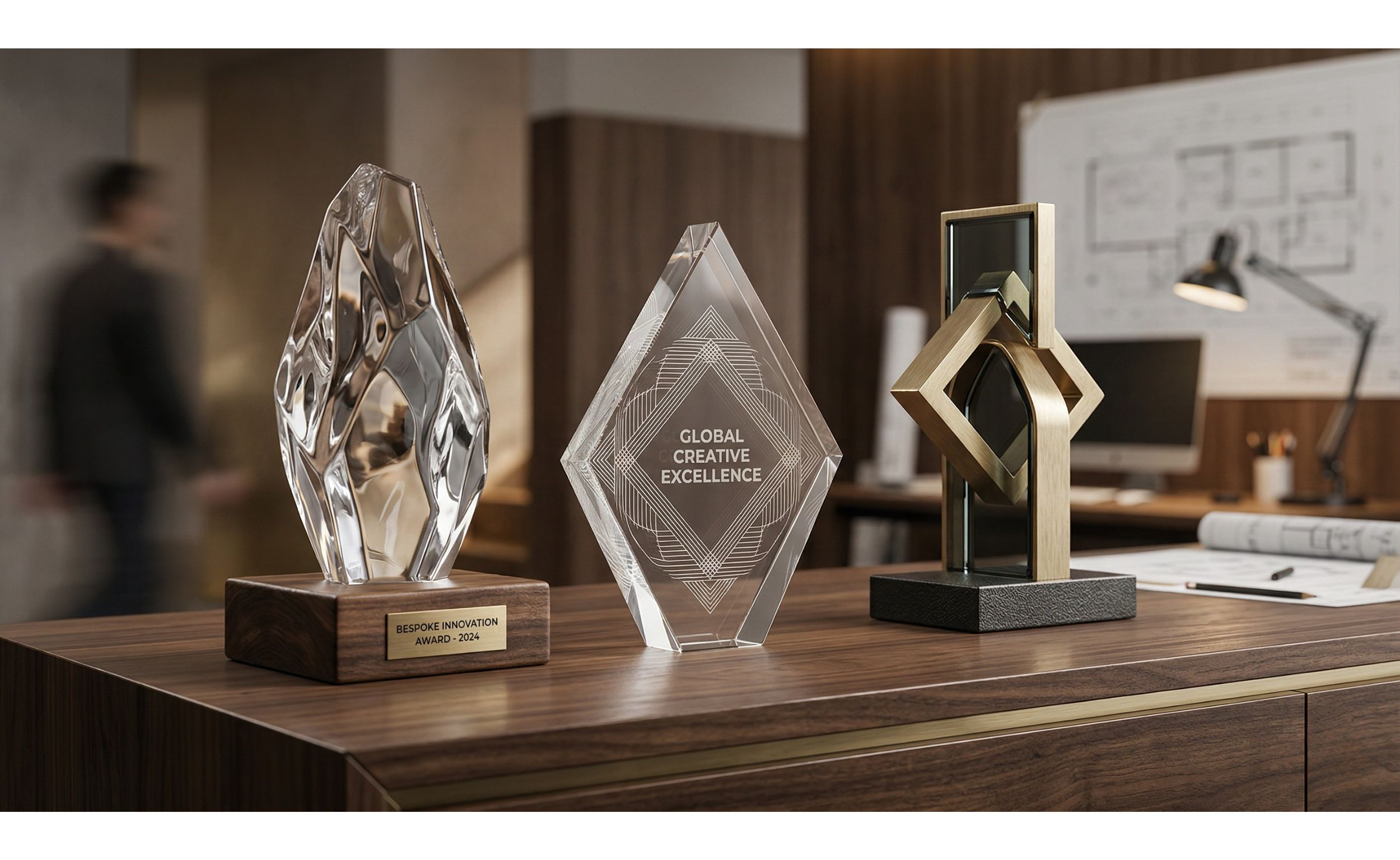
The Moment Someone Holds a Recognition Piece Changes Everything
Think about the last time you received something that carried weight, both physically and emotionally. A mass produced plaque pulled from a supply closet does not hit the same way as a piece that was clearly designed with intention. That difference is what separates forgettable recognition from the kind that sits on a desk for years.
Recognition pieces that inspire real pride are not accidents. They are the result of a thoughtful process that starts with a clear idea and ends with something people genuinely value. This blog breaks down how that journey works, what decisions matter most, and why the details make or break the final result.
Why Most Recognition Pieces Fall Flat
The problem is not that organizations skip recognition altogether. Most companies, sports leagues, and academic institutions do hand out something. The issue is that what they hand out often feels generic.
When every award looks the same, it sends an unintentional message: this moment was not important enough to think about. That is the opposite of what recognition is supposed to do.
A few common reasons recognition misses the mark:
-
The piece was ordered last minute from a catalog without any personalization
-
The design does not connect to the achievement or the organization's identity
-
Cheap materials make it feel like an afterthought
-
There is no story or meaning behind the design
Getting this right requires starting earlier in the process and treating the piece as a reflection of the achievement it represents.
Starting With the Right Questions
Before any design work begins, the most important step is asking the right questions.
-
What is this piece recognizing?
-
Who is receiving it?
-
What should it feel like when they hold it?
A recognition piece for a 20 year employee should feel different from one given to a tournament champion. A piece honoring a community leader carries a different tone than one celebrating a sales milestone. These distinctions should shape everything from material selection to shape, size, and engraving.
Too many organizations skip this step and jump straight to browsing options. That is how you end up with something generic.
The Design Process That Produces Meaningful Results
Once the purpose is clear, the actual design work begins. This is where custom trophies and awards start to take shape, moving from a rough concept into something tangible.
Good design balances aesthetics with meaning. It considers:
-
How the piece will look on a shelf
-
How it feels in hand
-
What it communicates to anyone who sees it
Material Choices Matter
Crystal, metal, wood, acrylic, and mixed media all send different signals.
-
A handcrafted wooden base with a metal accent carries warmth.
-
A clean acrylic piece with laser engraving feels modern and precise.
The material should match the tone of the recognition.
Shape and Structure
Not every recognition piece needs to follow a traditional trophy silhouette. Some of the most memorable pieces break from convention entirely by using:
-
Abstract forms
-
Brand inspired shapes
-
Symbolic design elements connected to the achievement
Personalization Is What Makes It Personal
This sounds obvious, but it is worth stating clearly: a recognition piece only becomes personal when it is personalized.
That means more than printing a name on a plate.
Personalization can include:
-
The recipient's name, title, and specific achievement
-
A date or event reference
-
The organization's logo or crest
-
A short message that adds emotional weight
-
Design elements tied to the recipient's field or contribution
When someone looks at their recognition piece and sees details that could only belong to them, that is when pride takes root.
Custom trophies and awards built with this level of care become more than objects. They become reminders of a moment that mattered.
Bulk Orders Do Not Have to Mean Generic
One misconception is that ordering in volume means sacrificing individuality. That is not true when the process is set up correctly.
Many organizations need dozens or even hundreds of pieces for a single event. The key is building a base design that allows for individual personalization without requiring a completely new production run for each unit.
This is where working with a team that understands both design and production becomes critical. The right partner will help you build a system where each piece feels unique, even when produced at scale.
Custom trophies and awards created for large events can still carry the same weight as a single handcrafted piece if the planning is done right from the start.
Quality Control Is the Final Gatekeeper
Nothing undermines a recognition moment faster than:
-
A misspelled name
-
A crooked engraving
-
A piece that arrives damaged
Quality control is not glamorous, but it is the final checkpoint between intention and impact.
Every piece should be inspected for:
-
Accuracy
-
Finish
-
Structural integrity
before it ships.
This step protects the organization's reputation and the recipient's experience.
Conclusion
Recognition done well is one of the most powerful tools any organization has. It costs relatively little compared to its impact on morale, loyalty, and culture.
But the piece itself has to earn that impact through:
-
Intentional design
-
Meaningful personalization
-
Reliable quality
When you treat a recognition piece as a reflection of the achievement it honors, you stop handing out objects and start creating icons.
Frequently Asked Questions
Q.1 What materials are most commonly used for recognition pieces?
Crystal, metal, acrylic, wood, and glass are the most popular. The right choice depends on the tone of the event and the type of achievement being recognized.
Q.2 How far in advance should recognition pieces be ordered?
For personalized pieces, plan at least three to four weeks ahead. Larger orders or complex designs may need six weeks or more.
Q.3 Can recognition pieces be designed to match a company's branding?
Yes. Logos, brand colors, and specific design elements can all be incorporated into the piece to reflect the organization's identity.
Q.4 Is it possible to order in bulk and still have each piece personalized?
Absolutely. With the right production approach, each piece can include individual names, titles, and achievement details, even in large quantities.
Q.5 What makes a recognition piece feel meaningful rather than generic?
Intentional design, quality materials, accurate personalization, and a clear connection to the specific achievement all contribute to making it feel significant.
 Spanish
 English
 Arabic
 French
 Portuguese
 Deutsch
 Turkish
 Dutch
Dutch
 Italiano
 Russian
 Romaian
 Portuguese (Brazil)
 Greek
Greek
