


 Pro Benefits

 الشروط
 الخصوصية
 Child Safety & Protection
 الإشعارات
 Ayrush Global It Services Pvt Ltd
A Complete Guide to Cold Press Juicers for Home Use
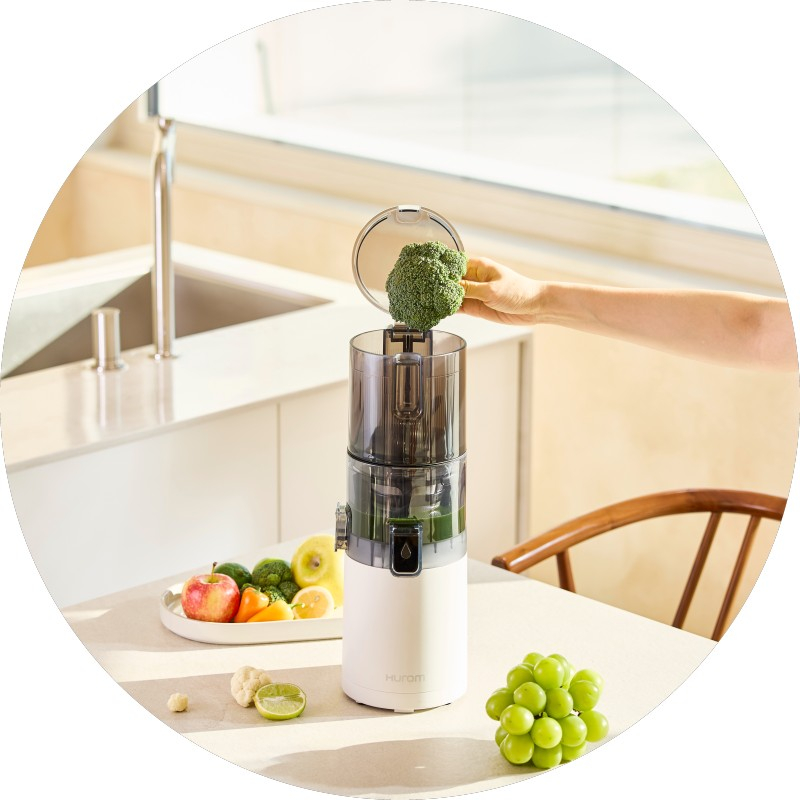
In today’s fast-paced lifestyle, more people are turning towards healthier habits, and fresh juice has become a popular choice. Whether it’s to boost immunity, improve digestion, or simply feel more energetic, incorporating juices into your daily routine can make a noticeable difference. This is where choosing the right home juicer becomes important.
However, not all juices are created equal. While many people assume that any freshly made juice is healthy, the method of extraction plays a crucial role. This is why cold press juicers are increasingly becoming the preferred choice for health-conscious individuals.
What Are Cold Press Juicers?
Cold press juicers, also known as slow juicers, operate at low speeds to extract juice by crushing and pressing fruits and vegetables. Unlike traditional high-speed juicers, they do not rely on fast spinning blades. This slower process helps retain more nutrients and reduces heat generation.
The result is cold pressed juices that are richer in vitamins, enzymes, and natural flavor. These juices also tend to have a smoother texture and stay fresh for longer.
Why Cold Press Juicer for Home Use?
Investing in a cold press juicer for home is not just about convenience—it’s about improving the quality of what you consume daily. When you prepare juice at home, you have full control over the ingredients, ensuring there are no added sugars, preservatives, or artificial flavors.
More importantly, slow juicing ensures that your juice remains closer to its natural state. This makes it a better option for those looking to build long-term healthy habits.
Key Benefits of Cold Pressed Juices
1. Better Nutrient Retention
Cold press juicers operate at low RPM, which minimizes heat and oxidation. This helps preserve essential nutrients like vitamins, minerals, and enzymes that are often lost in high-speed juicing.
2. Higher Juice Yield
One of the biggest advantages is the ability to extract more juice from the same amount of produce. The pulp is typically drier, indicating maximum extraction.
3. Improved Taste and Texture
Cold pressed juices are richer, smoother, and more natural in taste. Since there is less oxidation, the juice doesn’t develop a bitter or frothy layer quickly.
4. Longer Shelf Life
Juice made using slow juicers can stay fresh for up to 24–48 hours when refrigerated, unlike regular juice which needs to be consumed immediately.
5. Suitable for All Ingredients
From soft fruits to hard vegetables and leafy greens, cold press juicers handle a wide variety of ingredients efficiently. They are especially effective for extracting juice from spinach, kale, and wheatgrass.
Important Features to Look for in a Home Juicer
When choosing the best home juicer, it’s important to evaluate certain features that directly impact performance and usability.
1. Low-Speed Operation
A good cold press juicer typically operates between 40–80 RPM. This ensures minimal heat generation and better nutrient preservation.
2. Strong Motor and Torque
Look for a juicer with sufficient power to handle tough ingredients like carrots, beetroot, and leafy greens without clogging.
3. Efficient Auger Design
The auger is responsible for crushing and pressing ingredients. A well-designed auger improves juice yield and reduces waste.
4. Wide Feeding Chute
A wider chute reduces prep time by allowing larger pieces of fruits and vegetables to be inserted directly.
5. Ease of Cleaning
Choose a model that is easy to disassemble and clean. Fewer parts and simple design can make daily use more convenient.
6. Noise Level
Cold press juicers are generally quieter than traditional juicers, making them suitable for early morning or late-night use.
7. Build Quality and Durability
High-quality materials ensure longer lifespan and consistent performance over time.
Cold Press Juicer vs Traditional Juicer
Understanding the difference between slow (cold press) juicers and traditional juicers can help you make a better, more informed choice for your daily routine. While both serve the same basic purpose, the way they extract juice has a big impact on quality and nutrition.
Cold press juicers work at a low speed, which means they generate minimal heat during the juicing process. In contrast, traditional juicers operate at high speed, producing more heat and faster oxidation.
Here’s how they differ in practical terms:
- Speed: Cold press juicers are slower, while traditional juicers are faster
- Heat generation: Minimal in cold press, but significantly higher in traditional ones
- Nutrient retention: Higher in cold press due to less oxidation; moderate in traditional juicers
- Juice yield: Cold press juicers extract more juice, leaving behind drier pulp
- Noise level: Generally quieter compared to the louder operation of traditional juicers
- Shelf life: Juice from cold press juicers stays fresh longer, whereas traditional juice is best consumed immediately
While traditional juicers may seem convenient due to speed, they often compromise on juice quality. If your focus is better health and nutrient-rich juice, a slow juicer is usually the more effective choice.
Daily Use and Practical Benefits
Using a cold press juicer for home can easily become part of your daily routine. Whether it’s a morning detox drink, a mid-day energy booster, or a post-workout refreshment, fresh juice can support various health goals.
It also encourages increased consumption of fruits and vegetables, especially for those who find it difficult to eat them in whole form. Over time, this can contribute to better digestion, improved skin health, and higher energy levels.
Tips for Getting the Best Results
- Always use fresh, high-quality produce
- Alternate between soft and hard ingredients for smooth extraction
- Clean the juicer immediately after use to maintain performance
- Store juice in airtight glass containers if not consuming immediately
- Experiment with combinations to find flavors you enjoy
Making an Informed Choice
There are many options available in the market, including well-known names like Hurom cold press juicers, but the right choice ultimately depends on your personal needs. Consider factors like frequency of use, types of ingredients you prefer, and available kitchen space.
Avoid making a decision based solely on price. A well-built juicer is a long-term investment that directly impacts your health and daily routine.
Final Thoughts
Choosing the right juicer is more than just a kitchen decision—it’s a lifestyle choice. While any juicer can make juice, not all can preserve the natural goodness of ingredients.
Cold press juicers stand out because they focus on quality over speed, ensuring that every glass of juice is rich in nutrients and flavor. If your goal is to adopt a healthier lifestyle and enjoy truly fresh juice at home, investing in a reliable slow juicer is a step in the right direction.
By understanding the benefits and key features, you can confidently choose a juicer that supports your wellness journey and makes healthy living more accessible every day.
 Arabic
 English
 French
 Spanish
 Portuguese
 Deutsch
 Turkish
 Dutch
Dutch
 Italiano
 Russian
 Romaian
 Portuguese (Brazil)
 Greek
Greek
