


 Pro Benefits
 Sobre
Sobre
 Termos
 Privacidade
 Child Safety & Protection
 Notificações
 Ayrush Global It Services Pvt Ltd
What Makes PWP Engineering Different from Regular Engineering?
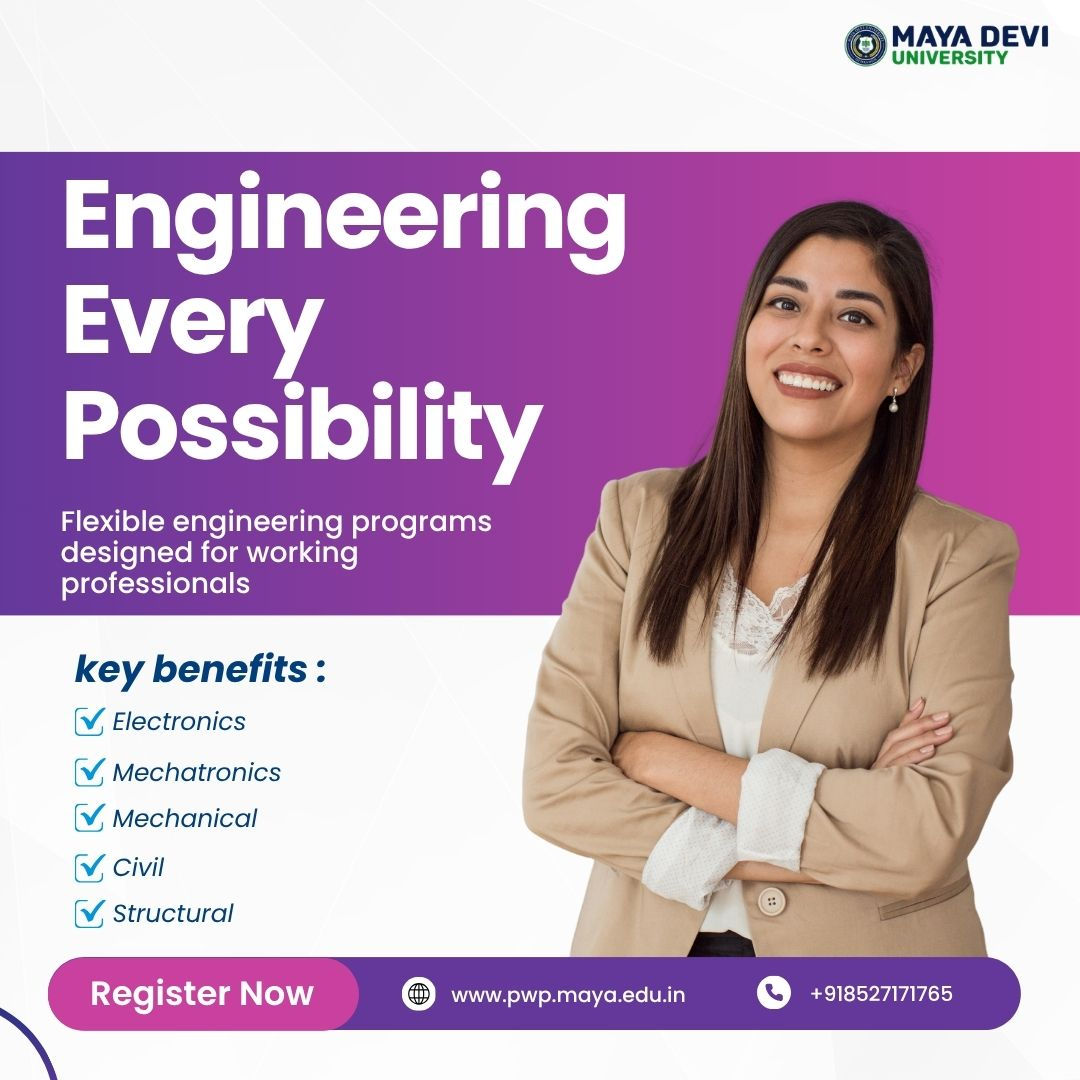
Engineering education has evolved significantly over the years. While traditional programs continue to provide a strong academic foundation, they may not always suit individuals who are already working. Today, professionals need flexible learning options that allow them to upgrade their qualifications without interrupting their careers.
This is where PWP engineering (Programs for Working Professionals in Engineering) stands out. Designed specifically for employed individuals, these programs combine academic learning with real-world experience. But how exactly are they different from regular engineering courses? Let’s explore.
Understanding PWP Engineering
PWP engineering programs are structured to help working professionals continue their education while staying active in their jobs. Instead of requiring full-time classroom attendance, these programs offer flexible schedules and practical learning approaches.
The focus is not just on theory but also on applying concepts directly in the workplace. This makes learning more relevant and immediately useful for professionals looking to grow in their careers.
What is Regular Engineering?
Regular engineering programs are typically full-time courses pursued by students after completing their school education. These programs follow a fixed academic schedule and require consistent classroom attendance.
They focus on building foundational knowledge in engineering through lectures, lab work, and academic projects. While internships may provide some exposure to the industry, most of the learning happens within an academic environment.
Key Differences Between PWP Engineering and Regular Engineering
1. Flexibility vs Fixed Schedule
One of the biggest differences lies in flexibility.
PWP engineering programs are designed to fit around a professional’s work schedule. Classes may be held on weekends or delivered through hybrid learning formats.
In contrast, regular engineering programs follow a fixed timetable, requiring students to dedicate their full time to studies.
2. Learning Approach
PWP engineering emphasizes learning by doing. Professionals can immediately apply what they learn in their workplace, which strengthens their understanding.
Regular engineering programs, on the other hand, focus more on theoretical learning, with practical exposure often limited to labs or internships.
3. Target Audience
PWP engineering is created for working professionals who already have industry experience and want to advance their careers.
Regular engineering programs are designed for fresh students who are just beginning their journey in the field.
4. Career Continuity
A major advantage of PWP engineering is that it allows individuals to continue earning and gaining experience while studying.
In regular engineering programs, students typically pause their professional journey to focus entirely on academics.
5. Real-World Application
Professionals in PWP engineering programs can directly apply new knowledge to real projects at work. This creates a strong connection between theory and practice.
In regular programs, students may not always get the opportunity to apply concepts in real-world scenarios until they enter the workforce.
read more: Why MBA for Working Proffessional is the Best Career Move?
6. Industry Relevance
PWP engineering programs are often designed with current industry needs in mind. They focus on practical skills, modern technologies, and real challenges faced in the workplace.
Traditional programs may take longer to adapt to industry changes, as they follow a more structured academic framework.
7. Career Growth Opportunities
Since professionals continue working while studying, they gain both experience and qualifications at the same time. This combination often leads to faster career growth.
With regular engineering, career progression typically begins after completing the degree.
Why More Professionals Are Choosing PWP Engineering
As industries become more competitive, professionals are realizing the importance of continuous learning. PWP engineering offers a practical way to upgrade skills without stepping away from work.
It is especially beneficial for those who:
-
Want to complete their degree while working
-
Aim for promotions or leadership roles
-
Need to stay updated with modern technologies
-
Prefer learning that is directly applicable to their job
The Role of the Right University
The success of any engineering program depends greatly on the institution offering it. Universities that focus on flexibility, industry exposure, and practical learning provide a better experience for working professionals.
Choosing a well-established institution ensures access to experienced faculty, updated curriculum, and learning resources that support both academic and professional growth.
Conclusion
PWP engineering represents a modern approach to education that aligns with the needs of today’s professionals. Unlike traditional engineering programs, it allows individuals to continue working while gaining advanced knowledge and skills through a flexible and practical learning model.
For professionals looking to upgrade their qualifications without putting their careers on hold, Maya Devi University offers well-structured PWP engineering programs designed to support both academic and professional growth. As a reputed private university in Uttarakhand, it provides industry-focused learning, experienced faculty, and flexible study options—making it a strong choice for career advancement.
Frequently Asked Questions (FAQs)
1. What is PWP engineering?
PWP engineering refers to engineering programs designed for working professionals, allowing them to study while continuing their jobs.
2. Who should choose PWP engineering?
It is ideal for professionals who want to upgrade their qualifications, improve their skills, and grow in their careers without taking a break from work.
3. How is it different from regular engineering?
The main differences include flexible schedules, practical learning, and the ability to continue working while studying.
4. Is PWP engineering useful for career growth?
Yes, it helps professionals gain both experience and qualifications simultaneously, which can lead to better career opportunities.
5. Can I pursue higher studies after PWP engineering?
Yes, professionals can continue with advanced education or specialized programs after completing their degree.
 Portuguese (Brazil)
 English
 Arabic
 French
 Spanish
 Portuguese
 Deutsch
 Turkish
 Dutch
Dutch
 Italiano
 Russian
 Romaian
 Greek
Greek
