


 Pro Benefits
 Sobre
Sobre
 Termos
 Privacidade
 Child Safety & Protection
 Notificações
 Ayrush Global It Services Pvt Ltd
Solving Yoga Sports Apparel Failures: A B2B Production Guide
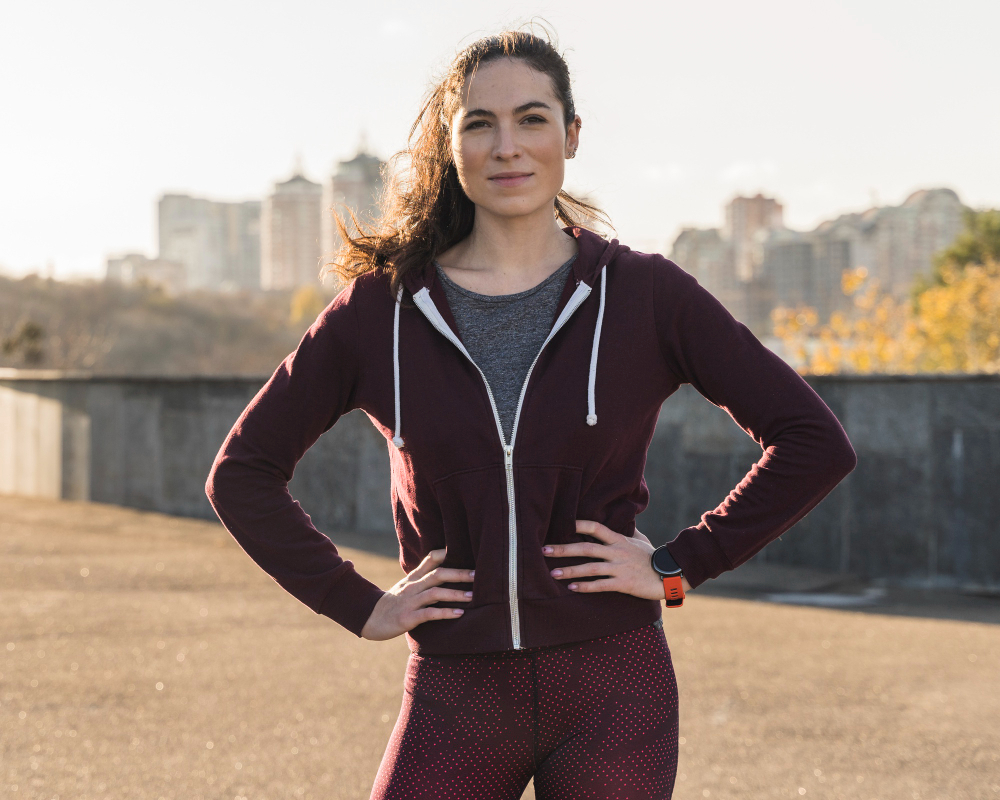
In the modern athleisure market, the yoga sports category has evolved from simple gym wear into a highly technical segment of the apparel industry. For B2B distributors and private label brands, the challenge lies in the dual nature of these garments: they must offer extreme flexibility for low-impact stretching while providing enough compression for high-intensity movement.
If your brand is currently facing complaints regarding "see-through" leggings during squats, waistbands that roll down, or pilling after only a few washes, you are dealing with fundamental engineering oversights. To establish authority in the premium activewear market, you must solve these technical hurdles during the manufacturing phase. Below, we break down the most critical problems in the yoga sports sector and provide the manufacturing solutions to fix them.
1. The "Opacity Failure" and the Squat-Proof Problem
The most common and brand-damaging issue in the yoga industry is fabric sheerness. Many manufacturers use lightweight single-knit fabrics to achieve a "naked feel," but these textiles often fail the squat test, becoming transparent when stretched over the glutes or thighs.
The Solution: Implement Interlock Knit Construction with a high GSM (Grams per Square Meter). An interlock knit is essentially a double-knit fabric that is thicker, more stable, and inherently more opaque than single-jersey fabrics. For a professional-grade yoga sports legging, we recommend a minimum weight of 240 to 280 GSM. Additionally, utilizing Dope-Dyed Yarns—where the pigment is added to the polymer melt—ensures that the color remains deep and opaque even at maximum extension.
2. Solving "Waistband Migration" and Support Instability
Nothing disrupts a yoga flow more than a waistband that constantly rolls down or slips during an inversion. This is usually caused by a lack of internal structure or a failure to account for the "taper ratio" between the waist and the hips in the pattern-making stage.
The Solution: Utilize High-Tension Power Mesh Inserts and Anatomical Curve Grading. By sandwiching a layer of compression power mesh inside a double-layered waistband, you create a "stay-put" effect without the need for restrictive elastic bands. Furthermore, ensuring the waistband is cut with a slight "curved" top edge rather than a straight line allows the garment to follow the natural contours of the female form, solving the slipping problem during complex poses.
3. Eliminating "Seam Irritation" and Dermal Friction
Yoga involves long holds and repetitive transitions that put immense pressure on the seams. Standard overlock stitching creates raised ridges that dig into the skin, leading to "friction burn" and distracting the athlete from their practice.
The Solution: Standardize ISO 607 Flatlock Stitching (4-needle, 6-thread). This machinery creates a seam that is perfectly flat on both the interior and exterior of the garment. To further improve comfort, specify the use of Microfiber Textured Polyester Threads, which are significantly softer than standard core-spun threads. For high-end B2B lines, moving seams away from high-friction areas like the inner thigh to the outer leg—or using Seamless Circular Knit Technology—effectively "solves" the irritation problem.
4. The "Pilling and Abrasion" Crisis
Yoga gear is frequently in contact with rubber mats, wooden floors, and other abrasive surfaces. Lower-grade nylon and polyester blends often "pill" (form small balls of fuzz) in high-friction areas like the inner thighs or shins, making the garment look old and cheap within weeks.
The Solution: Source Air-Jet Textured Yarns and implement Anti-Pilling Finishes. Air-jet texturing creates a more durable, "cotton-like" hand feel while significantly increasing the fiber's resistance to abrasion. Additionally, requesting a Singeing Process during the fabric finishing stage removes loose surface fibers, preventing pills from forming. Providing your B2B clients with a Martindale Abrasion Test report (aiming for Grade 4 or higher) is a powerful way to justify a premium price point.
5. Managing Moisture and "Sweat-Stain" Visibility
While yoga is often low-impact, "Hot Yoga" and "Power Yoga" sessions involve significant perspiration. Many synthetic fabrics trap moisture against the skin or show unsightly sweat stains in the crotch and underarm areas.
The Solution: Incorporate Moisture-Wicking Capillary Technology and Antimicrobial Silver-Ion Treatments. A high-quality yoga sports fabric should be "hydrophilic" on the inside (to pull sweat away from the skin) and "hydrophobic" on the outside (to encourage evaporation). By utilizing Honeycomb or Birdseye Mesh Panels in high-sweat zones, you improve breathability and solve the moisture-retention problem, ensuring the wearer stays dry and comfortable.
Conclusion
In the professional B2B landscape, success in the yoga sports category is built on technical integrity. By solving the fundamental issues of opacity, fit stability, seam friction, and fabric durability, you position your brand as an industry leader rather than a fast-fashion follower.
Resilient manufacturing is the ultimate marketing tool. When your products solve the end-user's problems before they even step onto the mat, you transition from a simple vendor to an indispensable manufacturing partner.
 Portuguese
 English
 Arabic
 French
 Spanish
 Deutsch
 Turkish
 Dutch
Dutch
 Italiano
 Russian
 Romaian
 Portuguese (Brazil)
 Greek
Greek
