


 Pro Benefits
 About
About
 Termini e Condizioni
 Privacy
 Child Safety & Protection
 Notifiche
 Ayrush Global It Services Pvt Ltd
A Complete Guide to Learning Culinary Skills Through Cooking Classes
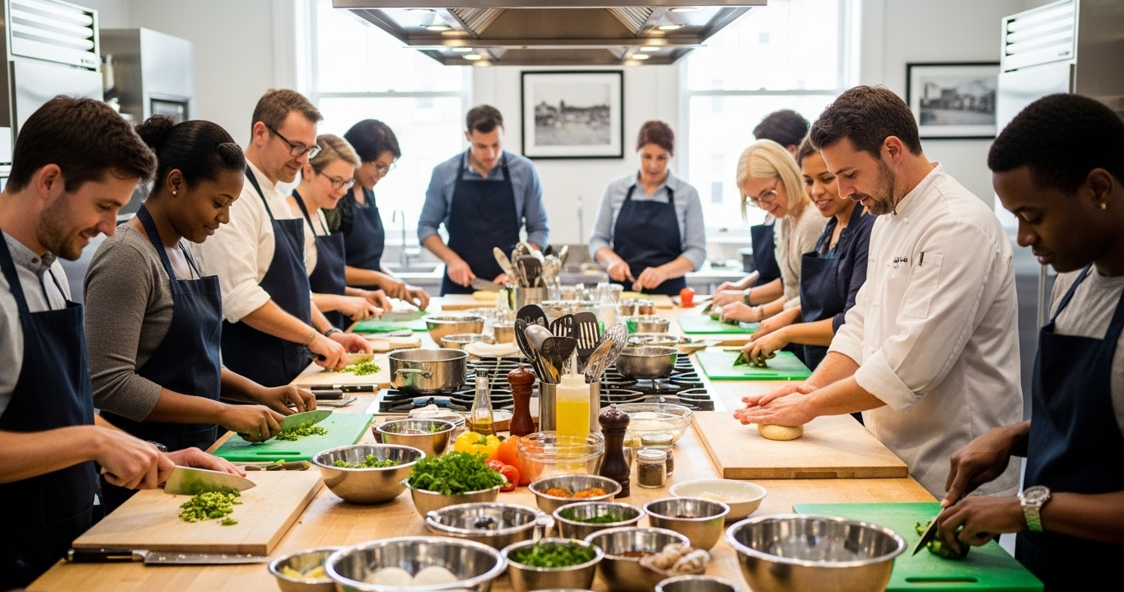
Learning to cook is a skill that grows stronger through practice, observation, and guidance. While recipes and online videos can offer inspiration, they rarely replace the value of real instruction in a structured kitchen environment. Cooking classes provide an opportunity for individuals to learn directly from experienced chefs while developing practical techniques that can be used for a lifetime.
In the middle of an interactive lesson, students quickly discover that cooking is not only about following instructions. It involves understanding ingredients, balancing flavors, and learning how heat, timing, and preparation methods influence the final result. When these elements are explained clearly by a knowledgeable instructor, cooking becomes far more approachable and enjoyable.
Hands-on culinary education helps participants gain confidence in the kitchen. Instead of guessing how to improve a recipe, they receive direct feedback that allows them to refine their skills and develop a deeper appreciation for the craft of cooking.
The Growing Popularity of Culinary Learning Experiences
Over the past decade, interest in culinary education has expanded significantly. People from different backgrounds are enrolling in cooking programs not only to improve their kitchen abilities but also to explore cultural traditions and creative expression.
Cooking has become more than a daily necessity. For many individuals, it is now a form of relaxation, creativity, and connection with others. Classes provide a welcoming environment where participants can learn new techniques while sharing experiences with fellow food enthusiasts.
These programs attract a wide variety of participants. Some are beginners who want to build foundational skills, while others are experienced home cooks hoping to refine their techniques or explore new cuisines. Regardless of experience level, structured culinary learning allows individuals to develop practical knowledge that enhances their everyday cooking.
Skills Developed Through Structured Cooking Classes
One of the greatest benefits of attending a cooking class is the development of essential culinary skills that extend far beyond a single recipe. Participants typically begin by learning the fundamentals of ingredient preparation and kitchen organization.
Knife skills are often among the first techniques introduced. Proper cutting methods improve efficiency, consistency, and safety in the kitchen. Students learn how to slice vegetables evenly, prepare herbs correctly, and handle kitchen tools with confidence.
Another important skill involves understanding cooking methods. Techniques such as sautéing, roasting, braising, and simmering each create different textures and flavors. Learning how to apply these methods correctly allows cooks to transform simple ingredients into well-balanced dishes.
Students also gain experience with seasoning and flavor development. Understanding when to add salt, herbs, or spices can dramatically improve the taste of a dish. Through guided practice, participants begin to develop a stronger sense of flavor balance and creativity.
Understanding Ingredients and Their Role in Cooking
Professional cooking classes often focus on helping students understand the ingredients they use. Fresh produce, herbs, spices, and proteins all behave differently when exposed to heat or combined with other components.
Learning about ingredient quality and selection is an important part of culinary education. Instructors often explain how to choose fresh vegetables, evaluate seafood quality, and identify the best cuts of meat for specific recipes. These lessons help students make better decisions when shopping for ingredients.
Classes also explore how different ingredients interact with one another. For example, acids such as lemon juice or vinegar can brighten flavors, while fats such as butter or oil provide richness and balance. Recognizing these relationships helps cooks create more complex and satisfying meals.
The Cultural Stories Behind Culinary Traditions
Food carries history, culture, and identity. Many cooking classes incorporate discussions about the origins of certain dishes and the traditions that shaped them.
Students often learn how regional cuisines developed through cultural exchange, migration, and local ingredients. Understanding these influences adds depth to the cooking experience and helps participants appreciate the heritage behind the recipes they prepare.
These cultural insights also inspire creativity. When students understand the foundation of a dish, they can adapt recipes while still respecting the traditions that made them popular.
The Importance of a Supportive Learning Environment
A successful cooking class depends on more than just recipes. The environment plays a major role in how effectively students learn and enjoy the experience.
Professional kitchens used for instruction are typically designed to be organized and well equipped. Having access to quality tools and ingredients allows participants to focus on technique without unnecessary distractions.
Equally important is the atmosphere created by the instructor. A supportive chef encourages questions, offers constructive feedback, and creates a relaxed environment where students feel comfortable experimenting with new techniques.
Small class sizes often enhance the experience by allowing instructors to provide personal guidance and ensure that every participant remains actively engaged in the learning process.
A Trusted Place to Learn: The Mardi Gras School of Cooking
For individuals seeking an engaging and authentic culinary learning experience, The Mardi Gras School of Cooking offers a welcoming environment where students can explore traditional cooking techniques while enjoying a lively and educational atmosphere.
The school focuses on hands-on instruction that allows participants to actively take part in the cooking process. Rather than simply observing demonstrations, students are guided step by step through the preparation of classic dishes while learning the techniques that bring those recipes to life.
Instructors emphasize both skill development and cultural appreciation. Participants gain valuable insights into regional culinary traditions while building practical abilities that can be applied in their own kitchens.
The supportive and interactive environment makes the experience enjoyable for beginners while still offering meaningful learning opportunities for more experienced cooks. This balance of education and entertainment has made the school a popular destination for those interested in expanding their culinary knowledge.
Transforming Knowledge Into Everyday Cooking Confidence
One of the most rewarding aspects of attending cooking classes is the confidence they build in home cooks. After practicing techniques under professional guidance, students often feel more comfortable experimenting with ingredients and trying new recipes.
Cooking becomes less about strict instructions and more about understanding how flavors and textures work together. This shift allows individuals to adapt recipes, substitute ingredients, and develop their own culinary style.
Many participants find that these classes inspire them to cook more frequently and explore new cuisines. The kitchen becomes a place of creativity and discovery rather than a routine task.
Why Cooking Classes Continue to Inspire Food Lovers
Cooking classes combine education, creativity, and community in a way that few other learning experiences can match. Participants not only develop practical skills but also share memorable moments with others who share their interest in food.
The knowledge gained during these sessions extends far beyond the classroom. Students leave with techniques, recipes, and inspiration that continue to influence their cooking long after the class has ended.
For anyone interested in improving their culinary abilities, exploring new flavors, and gaining confidence in the kitchen, cooking classes provide a valuable and enjoyable path toward becoming a more skilled and creative cook.
 Italiano
 English
 Arabic
 French
 Spanish
 Portuguese
 Deutsch
 Turkish
 Dutch
Dutch
 Russian
 Romaian
 Portuguese (Brazil)
 Greek
Greek
