


 Pro Benefits
 About
About
 Termini e Condizioni
 Privacy
 Child Safety & Protection
 Notifiche
 Ayrush Global It Services Pvt Ltd
Home Heat Recovery Ventilation System Supports Air Quality
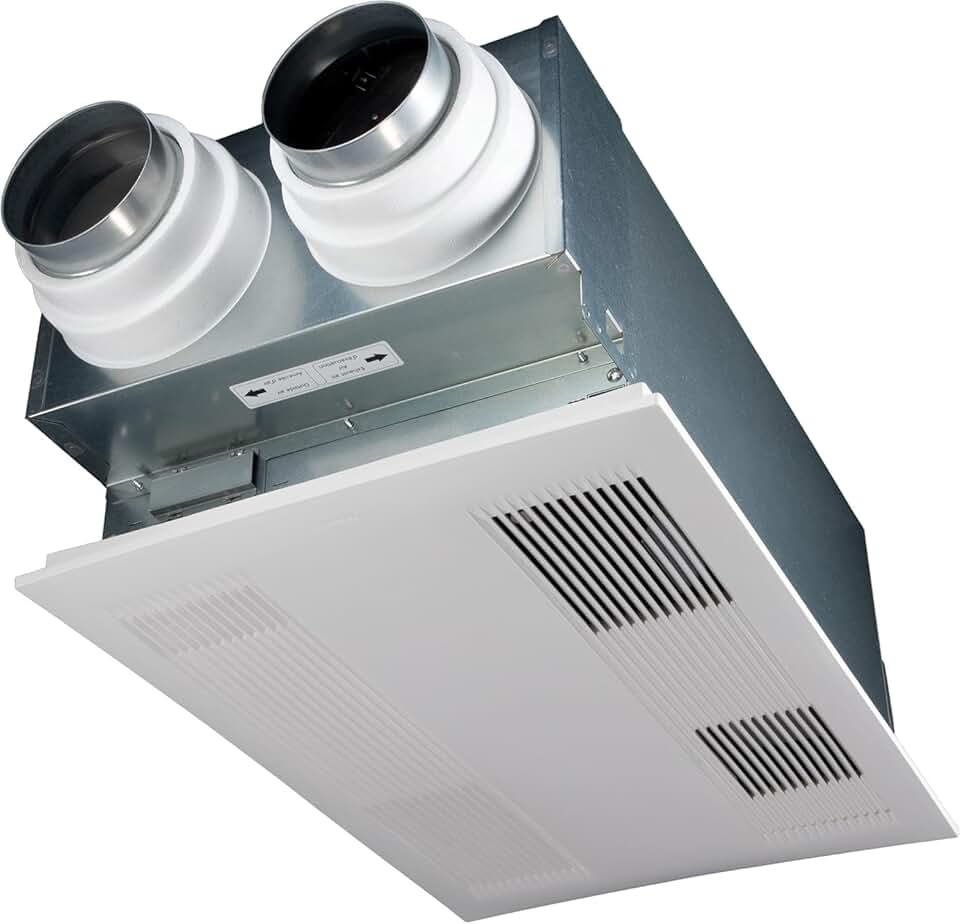
How a Home Heat Recovery Ventilation System Supports Indoor Air Quality
When was the last time you thought about the air you breathe inside your home? Many people assume that indoor air is cleaner than outdoor air, but that's often a misconception. Dust, allergens, and other pollutants can build up in our living spaces without us even realising it. That's where a home heat recovery ventilation system comes into play. Not only does it help manage temperature efficiently, but it also plays a crucial role in maintaining healthy indoor air quality. Imagine enjoying fresh outdoor air while minimising energy costs and reducing allergens! This innovative technology not only enhances comfort but also contributes significantly to your overall well-being. Whether you're dealing with allergies or just want to create an inviting atmosphere for your family, investing in this system might be one of the best decisions you'll ever make for your home environment. Let's dive deeper into how these systems work and why they're essential to modern households!
Understanding Indoor Air Quality Challenges
Indoor air quality (IAQ) is often overlooked, yet it plays a crucial role in our health and comfort. Many people spend the majority of their time indoors, making it essential to understand the factors that affect IAQ. From dust and allergens to volatile organic compounds (VOCs), various pollutants can accumulate inside homes.
Poor ventilation exacerbates these issues, trapping contaminants and moisture within living spaces. This lack of airflow leads to an environment where harmful substances thrive, potentially causing respiratory problems or allergies. Understanding these challenges is vital for maintaining a healthy home.
Additionally, external factors such as outdoor pollution can seep into your home through open windows or doors. As indoor environments become more energy-efficient with better insulation, it's even more important to address potential air quality concerns effectively.
Efficiency Advantages of a Heat Recuperation System
A heat recuperation system offers remarkable efficiency advantages that can significantly benefit homeowners. By capturing and reusing the heat generated within your living spaces, it minimises energy waste. This means less reliance on heating systems during colder months, resulting in lower utility bills.
Additionally, these systems work silently in the background to maintain a consistent indoor temperature. They balance incoming fresh air with outgoing stale air without compromising warmth or comfort. As a result, your home remains cozy while reducing overall energy consumption.
The smart design of heat recuperation units further enhances their efficiency. Many models include filters that improve air quality while recovering heat, making them an excellent choice for both comfort- and health-conscious families. By integrating these features into a single system, you achieve multiple goals effortlessly—energy savings and improved indoor conditions simultaneously.
Reducing Allergens and Contaminants in Living Spaces
Allergens and contaminants can linger in our homes, impacting health and comfort. Dust mites, pet dander, mould spores, and pollen often find their way indoors. Traditional ventilation systems may not effectively remove these irritants.
A house heat recovery ventilation system plays a crucial role in maintaining cleaner indoor air. By continuously exchanging stale air with fresh outdoor air while recovering heat from the outgoing air, it minimises the concentration of harmful particles inside. This process helps create a healthier living environment for everyone.
Moreover, these systems often come equipped with filters that trap allergens before they enter your home. Regularly changing these filters further enhances their effectiveness against airborne pollutants. Investing in this technology ensures you breathe easier at home while reducing allergy symptoms year-round.
Benefits of Installing a Domestic Heat Recovery Ventilation System
Installing a domestic heat recovery ventilation system offers numerous advantages for homeowners. These systems ensure a continuous flow of fresh air while efficiently managing energy use. By recovering heat from outgoing stale air, they preheat incoming air without sacrificing comfort.
Another significant benefit is improved indoor air quality. A house heat recovery ventilation system effectively removes pollutants and allergens, creating a healthier living environment. This can be especially beneficial for allergy sufferers and those with respiratory issues.
Additionally, these systems help reduce moisture build-up in your home, preventing mould growth and structural damage over time. With lower humidity levels, you’ll enhance the overall comfort within your space while protecting your property’s integrity.
Energy Savings and Climate Control Considerations
A house heat recovery ventilation system is an excellent investment for energy efficiency. By recovering heat from the stale air being expelled, it transfers warmth to incoming fresh air. This process reduces the need for additional heating, leading to lower energy bills.
Climate control becomes easier with this technology. The system maintains consistent indoor temperatures regardless of outdoor conditions. Whether it’s freezing outside or sweltering in summer, you can enjoy a comfortable environment without constantly adjusting your thermostat.
Moreover, these systems help reduce carbon footprints by minimising energy consumption. As homes become more efficient, they contribute less to greenhouse gas emissions. Homeowners not only save money but also help promote environmental sustainability by making smart choices, such as installing a heat recovery ventilation system.
Design and Integration of Residential Heat Recovery Systems
Designing and integrating residential heat recovery systems requires careful planning. Homeowners need to consider their specific needs, space availability, and existing HVAC systems. An experienced professional can help assess your home's layout to determine the best placement for ductwork and ventilation units.
Flexibility is key when it comes to integration. Options range from centralised systems that serve multiple rooms to smaller, localised units for individual spaces. This adaptability allows homeowners to achieve optimal indoor air quality without compromising comfort or aesthetics.
A successful installation relies on proper airflow management. Ensuring adequate intake and exhaust paths promotes efficient operation while minimising noise levels. The right design not only enhances energy efficiency but also contributes significantly to overall home comfort by maintaining balanced humidity levels throughout living areas.
Enhancing Comfort Through Effective Home Heat Recovery
A home heat recovery system plays a crucial role in improving indoor comfort. By efficiently exchanging stale air with fresh outdoor air, it maintains a balanced atmosphere throughout the home. This constant flow of clean air keeps living spaces from feeling stuffy or overly humid.
Temperature regulation is another benefit of these systems. They reclaim heat from outgoing air, ensuring that incoming fresh air is pre-conditioned to match the home's temperature. This means lower energy consumption for heating or cooling, resulting in more consistent temperatures across rooms.
Moreover, effective ventilation reduces drafts and cold spots often found in poorly ventilated areas. Homeowners can enjoy steady airflow without abrupt changes in temperature or humidity levels, making their living environment much more pleasant year-round.
Maintenance Practices for Optimal Performance
Regular maintenance is key to ensuring your house heat recovery ventilation system operates at its best. Start with periodic filter checks. Clogged filters can restrict airflow, leading to inefficient performance and potential indoor air quality issues. Replacing or cleaning these filters every few months keeps the system running smoothly.
Next, inspect the ductwork for any signs of leaks or blockages. Even small gaps can cause significant energy loss and compromise air quality. Sealing these gaps not only enhances efficiency but also reduces strain on the entire system.
Don't overlook fan operation. Ensure that fans are clean and free from dust buildup, as this can diminish their effectiveness over time. Scheduling professional inspections annually helps catch potential problems early and maintain optimal performance throughout the year.
Advanced Features in a Mechanical Heat Recovery System
Modern mechanical heat recovery system features advanced features that enhance performance and the user experience. One such feature is the ability to control airflow based on real-time occupancy levels. This ensures optimal ventilation when needed, conserving energy during quieter times.
Another innovative aspect is integration with smart home technology. Homeowners can adjust settings remotely via mobile apps, enabling personalised climate control at any time. This level of convenience adds a new layer of flexibility to indoor air management.
Additionally, some systems include built-in filters designed to capture even the smallest particles in the air. These high-efficiency particulate air (HEPA) filters play a crucial role in maintaining excellent indoor air quality by effectively reducing allergens and pollutants.
Monitoring Airflow and Humidity Levels
Monitoring airflow and humidity levels is crucial to maintaining a comfortable home environment. A house heat recovery ventilation system typically includes sensors that continuously monitor these parameters, ensuring optimal air quality. With real-time data, homeowners can quickly identify fluctuations.
When airflow is balanced, contaminants are effectively diluted and expelled from living spaces. This reduces the risk of stale air buildup or excessive humidity, preventing mould growth and other indoor allergens. Regular checks on these levels help maintain a healthy atmosphere throughout the year.
Advanced systems even allow remote monitoring via smartphone apps. This added convenience lets you adjust settings while away from home, ensuring consistent comfort when you return. Embracing this technology not only enhances your indoor air quality but also promotes an overall healthier lifestyle for everyone in your household.
Conclusion
A home heat recovery ventilation system is more than just a functional addition; it’s a vital component for maintaining healthy indoor air quality. By integrating this technology into your home, you can ensure that the air circulating throughout your living spaces is fresh and clean. The benefits extend beyond health. Efficiency and energy savings play key roles in modern household decisions. Homeowners are increasingly recognising the importance of sustainable practices, making these systems an attractive choice. Investing in such ventilation solutions enhances comfort while actively reducing allergens and pollutants within your environment. As awareness about indoor air quality grows, so does the potential for improved overall well-being through thoughtful design choices in our homes.
FAQs
When it comes to understanding a house heat recovery ventilation system, many questions arise. Here are five frequently asked questions that can help clarify its benefits and functionality.
1. What is a heat recovery ventilation system?
A heat recovery ventilation (HRV) system is designed to improve indoor air quality by exchanging stale indoor air with fresh outdoor air while retaining the outgoing air's temperature. This process helps maintain comfort without wasting energy.
2. How does an HRV system improve indoor air quality?
It effectively removes allergens, pollutants, and excess moisture from your home while allowing clean, filtered air to enter. This dual action significantly reduces airborne contaminants, contributing to healthier living spaces.
3. Can I install an mechanical heat recovery system in my existing home?
Yes! Many homeowners retrofit their houses with a mechanical heat recovery system during renovations or central HVAC upgrades. Professional installation ensures proper integration into your existing setup for maximum efficiency.
4. Will using an HRV reduce my energy bills?
Absolutely! By recovering and reusing heat from exhausted air, these systems minimise heating and cooling demands on your HVAC unit; thus leading to lower energy consumption and reduced utility costs over time.
5. How often should I maintain my HRV system?
Regular maintenance is key for optimal performance—clean or replace filters at least every three months and have the entire system inspected annually by professionals to ensure it operates efficiently year-round.
|
Related Business Listings |
 Italiano
 English
 Arabic
 French
 Spanish
 Portuguese
 Deutsch
 Turkish
 Dutch
Dutch
 Russian
 Romaian
 Portuguese (Brazil)
 Greek
Greek
