


 Pro Benefits
 About
About
 Terms
Terms
 Privacy
 Child Safety & Protection
 Notifications
 Ayrush Global It Services Pvt Ltd
Choosing the Right Heat Recovery Unit for Your Property
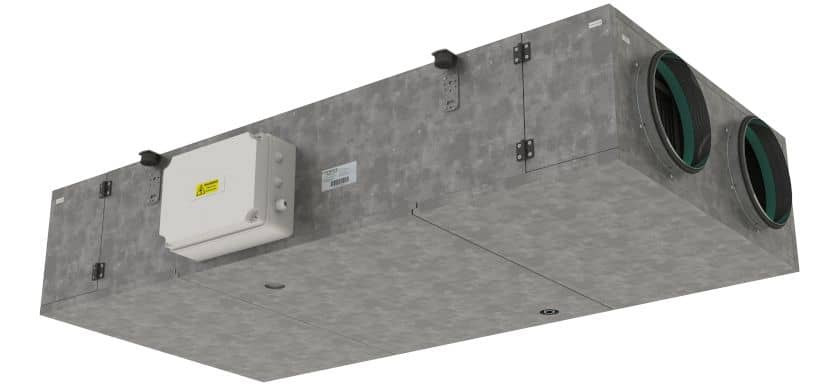
Choosing the Right Heat Recovery Unit for Your Property
Efficient ventilation plays a vital role in maintaining a comfortable and healthy indoor environment. Facilitating the exchange of stale indoor air with fresh outdoor air helps regulate humidity and reduce pollutant levels, improving overall air quality. Proper ventilation is particularly important in modern buildings, where insulation and energy-efficient construction methods often limit natural airflow. This can lead to the accumulation of moisture, allergens, and harmful substances, potentially negatively affecting both the property and its occupants.
Heat Recovery Unit systems go a step further by not only refreshing indoor air but also capturing heat from outgoing air to warm incoming air, creating a more energy-efficient solution. This approach ensures consistent airflow without significant heat loss, contributing to a more comfortable living or working space. Ultimately, efficient ventilation enhances indoor air quality, supports energy savings, and promotes a healthier property environment.
Assessing Your Property's Airflow Needs
Evaluating a property's airflow requirements is an important step in determining the suitability of a Heat Exchange System. Factors such as the building layout, room sizes, and existing insulation levels should be considered to ensure the system delivers optimal performance. Properties with open-plan layouts may have different ventilation requirements than those with multiple enclosed spaces, making it essential to consider the structure's unique characteristics.
Areas prone to excessive moisture, such as kitchens, bathrooms, and utility rooms, should be carefully assessed, as these spaces often require enhanced ventilation to prevent dampness and mould growth. The presence of high levels of indoor pollutants, allergens, or odours can also influence the choice of unit, with specific models offering enhanced filtration to address these concerns.
In addition, attention should be given to the existing ventilation system, if any, as the compatibility of a Heat Exchange System with the current setup can impact its efficiency. For properties undergoing renovation or retrofit projects, understanding how a new unit can integrate into planned updates is equally significant.
The local climate is another key factor to consider, as properties in colder regions may benefit from systems designed to recover and retain a higher percentage of heat. Consulting with a professional ventilation specialist can provide valuable insights into airflow patterns and ensure the chosen system meets the property's functional and efficiency requirements.
How a Heat Exchange Ventilation Unit Improves Energy Efficiency
A Heat Exchange Ventilation Unit contributes to energy efficiency by minimising the heat loss typically associated with traditional ventilation methods. By integrating an advanced heat exchanger, the system transfers thermal energy from the outgoing stale air to the incoming fresh air, reducing reliance on conventional heating systems. This process ensures that a significant proportion of the property's warmth is retained, even during colder months, helping maintain a consistent indoor temperature.
In addition to reducing energy demands, these units contribute to a more balanced indoor environment. By regulating airflow, they help to stabilise temperature fluctuations, allowing heating systems to operate more efficiently. This reduced strain on heating and cooling appliances not only lowers energy usage but also extends the operational life of these systems, leading to further cost savings.
Certain models offer enhanced features, such as humidity control, which prevents excessive moisture from affecting the indoor climate. This capability is particularly advantageous in regions where seasonal variations in temperature and humidity can increase energy consumption. By optimising heat retention and ventilation simultaneously, Heat Exchange Systems represent a practical solution for properties prioritising energy efficiency.
Features to Look for in a Heat Exchange Ventilation Unit
When selecting a Heat Exchange Ventilation Unit, it is essential to evaluate several key features to ensure optimal performance and suitability for the property. One important consideration is the heat exchanger's efficiency, as higher-efficiency models can recover a greater proportion of heat from outgoing air. This feature directly affects the system's energy-saving potential.
The unit's capacity should also align with the property's ventilation requirements. Units that are either undersized or oversized for the building may struggle to deliver effective airflow or could operate inefficiently. Noise levels are another critical factor, particularly for residential or office spaces where a quieter environment is desirable. Models designed with low-noise operation can offer increased comfort without compromising functionality.
Advanced features, such as integrated air filters, can improve indoor air quality by capturing dust, allergens, and other airborne particles. Units with built-in humidity control offer added benefits by preventing excessive moisture, particularly in kitchens and bathrooms. Programmable controls and user-friendly interfaces are also worth considering, as they allow for tailored operation and energy-efficient scheduling.
Additionally, the unit's energy efficiency rating is an important factor to assess, as it affects running costs and the unit's environmental impact. Models with higher ratings can help reduce overall energy consumption, making them a more sustainable choice for long-term use.
Installation Considerations for a Heat Recovery Ventilation Unit
Proper installation of a Heat Recovery Ventilation Unit is essential for optimal performance, energy efficiency, and long-term reliability. Careful planning ensures the system integrates seamlessly into a property while providing consistent airflow and heat recovery benefits.
Location of the Unit
Choosing the right location is crucial. The HRV unit should be easily accessible for maintenance and positioned close to the main ventilation ducts. Proper placement minimises energy loss and ensures maximum airflow efficiency throughout the property.
Design of Ductwork
The ductwork design significantly affects the system's efficiency. Ducts must be appropriately sized and well-insulated to reduce heat loss and avoid airflow resistance. Poorly designed ductwork can lead to higher energy consumption and reduced performance.
Compatibility with Existing Systems
Assessing compatibility with any pre-existing ventilation or HVAC systems is essential. Ensuring the HRV unit operates harmoniously with other mechanical systems prevents operational conflicts and supports overall system efficiency.
Electrical Supply Requirements
Confirming an adequate electrical supply is necessary before installation. Proper wiring, circuit protection, and safety measures must be in place to handle the unit's power demands without overloading the property's electrical system.
Professional Installation
Engaging a qualified professional for installation is highly recommended. Experienced technicians can ensure the unit is fitted correctly, complies with regulations, and performs at its full potential, safeguarding both the property and the investment in energy-efficient ventilation.
By addressing these considerations, homeowners and property managers can maximise the performance and lifespan of a Heat Exchange Ventilation Unit while enjoying improved indoor air quality and energy savings. local regulations, and performs efficiently, reducing the likelihood of future operational issues.
Comparing Different Types of Heat Exchange Ventilation Units
Heat Exchange Ventilation Units come in various designs, each offering distinct features and benefits. Counterflow units are known for their high efficiency, thanks to the precise separation of the incoming and outgoing air streams. This design ensures minimal heat loss, making them suitable for properties prioritising maximum energy savings. However, they often require a larger installation space and may involve a higher initial investment.
Crossflow units, on the other hand, are typically more compact and cost-effective. These units allow air streams to cross at a perpendicular angle within the heat exchanger, providing a balance between efficiency and affordability. Their smaller size makes them a practical choice for properties with limited space, though they may not achieve the same heat recovery rates as counterflow models.
Rotary wheel units utilise a rotating thermal wheel to transfer heat between air streams. They are particularly effective in managing airflow balance and humidity levels, making them suitable for environments with varying moisture conditions. However, this type of unit may require more frequent maintenance due to the moving components involved in its operation.
Each type of Heat Exchange Ventilation Unit caters to specific needs, with differences in efficiency, installation requirements, and upkeep demands. Understanding the unique characteristics of these units can help in selecting the most appropriate option for a particular property.
Maintenance Tips for Your Heat Exchange Ventilation Unit
Regular upkeep of a Heat Exchange Ventilation Unit is crucial to maintaining its functionality and efficiency. The filters within the system play a significant role in capturing dust, allergens, and other airborne particles, and should be checked periodically. Depending on the manufacturer's recommendations and the level of air pollution in the surrounding environment, these filters may require either cleaning or replacement to ensure optimal performance.
The heat exchanger, as a core component of the unit, benefits from regular inspections to prevent the build-up of debris or contaminants. A clean heat exchanger allows for efficient thermal energy transfer and reduces the risk of operational inefficiencies.
The fans within the unit are another aspect requiring attention. Over time, dust or wear may affect their performance, potentially reducing airflow. Ensuring that the fans are free of obstructions and functioning correctly can enhance the overall effectiveness of the ventilation system.
Additionally, the control systems should be reviewed periodically to verify that all settings and automated features are operating as intended. Malfunctioning controls could lead to improper ventilation or energy wastage.
For thorough maintenance, scheduling professional servicing annually is recommended. Technicians possess the expertise to conduct detailed inspections, address emerging issues, and ensure that the unit continues to perform at its best.
Cost vs. Long-Term Savings with a Heat Exchange Ventilation Unit
A Heat Exchange Ventilation Unit offers a practical solution for reducing energy expenses while maintaining a comfortable indoor environment. By recovering heat from outgoing air and using it to warm incoming fresh air, the system reduces reliance on traditional heating methods, lowering energy consumption. Over time, this reduction in energy usage contributes to noticeable savings on heating bills, making the investment in such a system financially beneficial.
The durability and efficiency of modern Heat Exchange Ventilation Units further enhance their cost-effectiveness. With features designed to minimise energy wastage and ensure consistent operation, these systems provide long-term benefits that outweigh their initial cost. Additionally, the ability of certain models to improve air quality and manage indoor humidity creates a healthier living or working space, reducing the potential for maintenance costs related to dampness or mould.
Reduced strain on existing heating systems also extends their lifespan, reducing the frequency of replacements or repairs. The savings generated by a Heat Exchange Ventilation Unit are not limited solely to energy bills but also include indirect financial benefits, such as reduced maintenance and improved efficiency of other property systems.
Selecting a Reliable Heat Exchange Ventilation Unit Supplier
Selecting a supplier for a Heat Exchange Ventilation Unit requires careful consideration to ensure both product quality and dependable service. Suppliers with an established history in the industry often provide a wider selection of units, catering to various property sizes and ventilation needs. Evaluating the range of products offered can help identify suppliers that meet specific requirements, from energy efficiency to additional features such as air filtration or humidity control.
Transparency regarding product specifications, energy efficiency ratings, and certifications is another key factor when assessing potential suppliers. This ensures the units comply with relevant standards and provide reliable performance over time. Suppliers offering professional advice on system selection and installation can further streamline the process, particularly for those seeking tailored solutions for unique property layouts or airflow challenges.
After-sales support is equally significant, as it ensures ongoing assistance with maintenance or technical issues. Suppliers that provide clear warranty terms and access to replacement parts contribute to a smoother ownership experience. Positive reviews or testimonials can offer insight into the supplier's reputation and reliability. Ultimately, choosing a supplier focused on quality, expertise, and comprehensive support can lead to greater long-term satisfaction with the Heat Exchange Ventilation Unit.
Conclusion
Investing in the right Heat Recovery Unit (HRV) unit can significantly enhance both comfort and energy efficiency in a property. By carefully assessing airflow needs, selecting units with key features, and ensuring professional installation, homeowners can enjoy consistent indoor air quality while reducing energy costs. Regular maintenance and choosing a reliable supplier further support the system's longevity and performance. Ultimately, an HRV unit not only improves living conditions but also represents a sustainable solution that combines healthier air with long-term financial savings for any property.
FAQs
1. What is a Heat Recovery Unit?
A Heat Recovery Unit exchanges stale indoor air with fresh outdoor air while recovering heat from outgoing air, improving air quality and energy efficiency.
2. How does an HRV unit reduce energy costs?
By transferring heat from outgoing air to incoming air, HRV units reduce the need for additional heating, lowering energy consumption and utility bills.
3. How often should I maintain my HRV unit?
Filters should be checked regularly, and annual professional servicing is recommended to ensure efficient airflow, clean heat exchangers, and functional fans and controls.
4. Can an HRV unit control humidity?
Yes, certain models feature built-in humidity control, which helps prevent dampness, mould, and excessive moisture, especially in kitchens, bathrooms, or humid climates.
5. How do I choose a reliable HRV supplier?
Look for suppliers with a strong industry reputation, clear product specifications, energy efficiency ratings, professional advice, after-sales support, and warranty options.
|
Related Business Listings |
 English
 Arabic
 French
 Spanish
 Portuguese
 Deutsch
 Turkish
 Dutch
Dutch
 Italiano
 Russian
 Romaian
 Portuguese (Brazil)
 Greek
Greek
