


 Pro Benefits
 About
About
 Termini e Condizioni
 Privacy
 Child Safety & Protection
 Notifiche
 Ayrush Global It Services Pvt Ltd
How Structured Coaching Elevates Your Workout Results
How a Coach Helps in Training
Training is more than lifting weights or running on a treadmill. It is a structured journey that requires guidance, discipline, and purpose. A Fitness Lifestyle Coach plays a powerful role in shaping not just your workouts, but your entire approach to health and performance. Many people start fitness routines with motivation, but without direction they lose focus or fail to see lasting results. That is where professional coaching makes a difference. A coach provides clarity, structure, and accountability, helping you train smarter instead of just harder.
Whether your goal is to gain strength, lose body fat, improve stamina, or simply feel better in your daily life, the right guidance transforms effort into real progress. Let us explore how a coach helps in training and why professional support adds long-term value to your fitness journey.
1. Creating a Clear Plan
One of the biggest mistakes people make is training without a plan. Random workouts may feel productive, but they rarely produce sustainable results. A coach begins with a proper assessment:
-
Current fitness level
-
Body composition
-
Strength and endurance capacity
-
Movement patterns and posture
-
Personal goals
Based on this evaluation, a structured program is created. This program includes strength sessions, conditioning work, mobility drills, and recovery strategies. With a clear roadmap, every workout has purpose and direction.
2. Correct Form and Technique
Exercise technique determines results and safety. Poor form leads to injuries, muscle imbalances, and slow progress. A coach ensures:
-
Proper posture during movements
-
Correct muscle activation
-
Safe lifting mechanics
-
Breathing control
When technique improves, exercises become more effective. Instead of straining joints, you activate the intended muscles. Over time, this builds strength efficiently and protects your body.
3. Accountability and Discipline
Motivation can be temporary. Discipline builds transformation. A coach holds you accountable for showing up, pushing through challenges, and maintaining consistency.
Knowing that someone is guiding your progress increases commitment. Missed sessions reduce. Effort improves. Results follow.
Accountability is not about pressure — it is about support and structured encouragement. This relationship builds confidence and resilience.
4. How a Coach Improves the Variety and Value of Exercises
One major advantage of coaching is improved exercise variety. Many individuals repeat the same workouts for months, which leads to plateaus and boredom. A coach introduces structured variety while maintaining program balance.
Here is how a coach improves the value of exercises in the fitness field:
Progressive Overload
Workouts gradually increase in intensity. This challenges muscles safely and stimulates growth.
Movement Variety
Instead of repeating basic routines, coaches include:
-
Functional movements
-
Stability exercises
-
Strength variations
-
Conditioning drills
-
Core training
This variety prevents stagnation and keeps training engaging.
Customized Programming
Exercises are selected based on your body type, goals, and limitations. A coach adjusts movements to maximize results for your unique needs.
Balanced Development
Training includes strength, endurance, flexibility, mobility, and recovery. This balanced approach builds a complete, functional body.
Through structured variety, each session delivers high value. You avoid boredom and achieve steady progress.
5. Preventing Injuries
Overtraining, poor technique, and lack of recovery cause injuries. A coach monitors your intensity levels and recovery needs.
They ensure:
-
Proper warm-up and cool-down
-
Rest days in your weekly schedule
-
Gradual progression
-
Immediate correction of pain signals
Injury prevention allows continuous progress instead of setbacks.
6. Building Mental Strength
Training is physical, but transformation is mental. A coach helps build:
-
Confidence
-
Discipline
-
Focus
-
Positive habits
When you overcome challenges in workouts, you build belief in your abilities. This mindset transfers into daily life, work, and personal goals.
7. Nutritional Guidance
Fitness results depend on both training and nutrition. A coach helps you understand:
-
Proper macronutrient balance
-
Hydration importance
-
Meal timing
-
Sustainable eating habits
Nutrition supports muscle growth, energy levels, and recovery. When diet and exercise align, results accelerate.
8. Personalized Progress Tracking
Tracking progress keeps motivation high. Coaches monitor:
-
Strength improvements
-
Endurance capacity
-
Body measurements
-
Movement quality
Adjustments are made based on results. This prevents stagnation and ensures continuous development.
9. Long-Term Lifestyle Transformation
Short-term plans produce temporary results. A true coach builds sustainable habits. The focus shifts from “quick fixes” to “long-term health.”
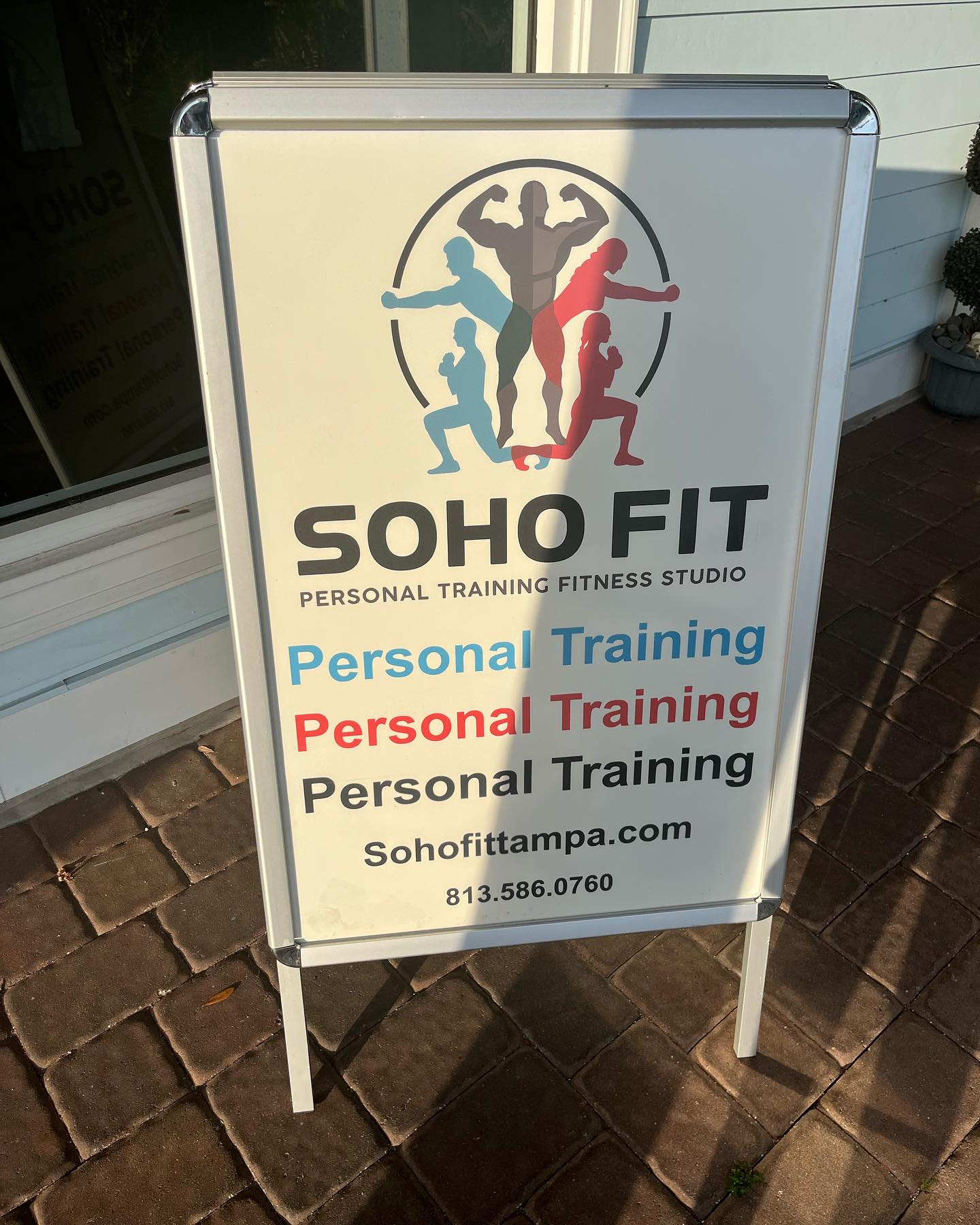
A professional environment like Soho Fit Tampa in Westshore Tampa provides structured training and nutrition support designed for lasting transformation. With proper supervision and programming, clients experience steady improvements in strength, stamina, and overall wellness.
How Coaching Transforms the Human Body
Working with a coach creates measurable changes:
Stronger Muscles and Improved Tone
Guided resistance training increases lean muscle mass.
Improved Cardiovascular Health
Structured cardio sessions strengthen the heart and improve circulation.
Better Mobility and Flexibility
Targeted stretching and corrective exercises enhance joint function.
Increased Energy Levels
Efficient training improves oxygen usage and metabolic performance.
Balanced Posture
Corrective movements reduce muscle imbalances and support spine health.
The body responds positively to structured stress followed by proper recovery. Coaching ensures this balance is maintained.
The Difference Between Self-Training and Coaching
Self-training often involves guessing what to do next. Coaching involves planning.
Self-training may lack progression. Coaching includes structured improvement.
Self-training can become repetitive. Coaching maintains variety and challenge.
Self-training may lose motivation. Coaching sustains accountability and growth.
A Sample Week With a Coach
Here is an example of a balanced training schedule:
Day 1: Upper Body Strength
Day 2: Cardiovascular Conditioning
Day 3: Active Recovery and Mobility
Day 4: Lower Body Strength
Day 5: Functional Circuit Training
Weekend: Rest and light activity
Each session is purposeful and progressive.
Final Thoughts
A coach does more than guide workouts. They shape discipline, improve technique, enhance exercise variety, and create structured growth. With expert supervision, your training becomes smarter, safer, and more effective.
A strong body is built through consistency and intelligent planning. A dedicated coach ensures you stay on that path.
Commit to structure. Commit to guidance. Commit to long-term transformation.
Soho Fit Tampa
3431 S Westshore Blvd Tampa 33629
+1 813-586-0760
 Italiano
 English
 Arabic
 French
 Spanish
 Portuguese
 Deutsch
 Turkish
 Dutch
Dutch
 Russian
 Romaian
 Portuguese (Brazil)
 Greek
Greek
