


 Pro Benefits
 Environ
 Conditions générale de vente
 Confidentialité
 Child Safety & Protection
 Notifications
 Ayrush Global It Services Pvt Ltd
What Are Damage Claims and How Do They Work?
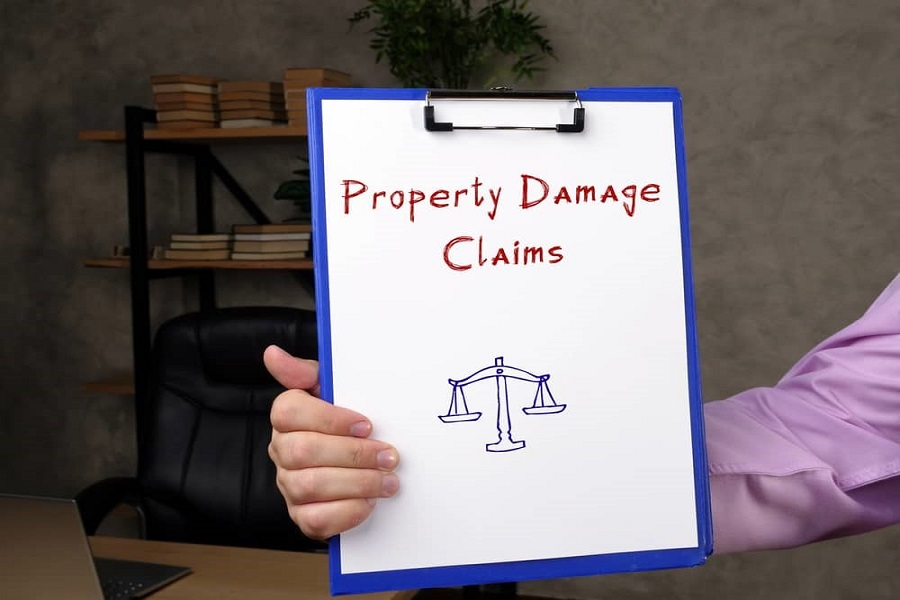
Damage claims are a formal way to seek compensation when property, belongings, or assets are harmed due to accidents, negligence, or unexpected events. People encounter damage claims in many situations, including rental disputes, travel incidents, or property-related losses. Understanding how damage claims function helps individuals protect their rights and respond correctly when something goes wrong.
Knowing how damage claims work also reduces stress during already difficult situations. When damage occurs, confusion about responsibility, documentation, and timelines often follows. A clear understanding of the process allows individuals and businesses to resolve issues fairly while avoiding unnecessary delays or disputes.
Damage Claims: Definition, Purpose, and Common Scenarios
Damage claims exist to restore losses by assigning financial responsibility to the appropriate party. They are used when physical property, rented spaces, or personal items suffer harm beyond normal wear and tear. Damage claims provide a structured way to assess loss, determine fault, and arrange compensation.
These claims commonly arise in rentals, transportation, hospitality, and property management. For example, hosts and guests using platforms like StayBnB may encounter damage claims if furnishings or property are harmed during a stay. In such cases, documented procedures help both sides reach resolution.
Why Damage Claims Are Important
Damage claims protect both owners and users by setting clear expectations. Without a formal process, disagreements often turn into prolonged conflicts. A structured claim allows facts to guide decisions rather than assumptions or emotions.
They also promote accountability. Damage claims encourage responsible behavior by ensuring that losses are not ignored and that repairs or replacements are addressed in a fair manner.
Situations Where Damage Claims Commonly Apply
Damage claims apply to a wide range of scenarios. Property damage, accidental breakage, water leaks, fire incidents, or vandalism are common examples. In rental environments, damage claims help distinguish accidental damage from misuse.
In shared-economy settings such as StayBnB, damage claims help maintain trust between parties. Clear documentation and timelines reduce misunderstandings and ensure consistent outcomes.
The Step-by-Step Process of Filing a Claim
The damage claims process usually begins with identifying the damage and notifying the responsible party. This initial step is critical, as delays can complicate verification. Clear communication sets the foundation for resolution.
After notification, evidence is gathered. Photos, videos, receipts, and written descriptions support damage claims by showing the extent and cause of loss. Accurate records strengthen credibility and speed up assessment.
Documentation and Evidence Collection
Strong documentation is essential for successful damage claims. Visual proof taken immediately after damage occurs carries significant weight. Written timelines explaining when and how damage happened add clarity.
Estimates for repairs or replacements are also important. These figures help evaluators determine fair compensation and avoid disputes over value.
Review, Evaluation, and Resolution
Once submitted, damage claims are reviewed by insurers, property managers, or platform resolution teams. They assess responsibility, coverage, and validity. This evaluation phase determines whether compensation is approved.
Resolution may involve payment, repairs, or negotiated settlements. In platforms like StayBnB, resolution systems aim to balance fairness for both hosts and guests while maintaining trust.
Factors That Influence Claim Approval
Not all damage claims are approved automatically. Several factors influence outcomes, including timing, evidence quality, and compliance with guidelines. Late submissions or incomplete documentation often lead to rejection.
Clear communication and honesty increase approval chances. Damage claims supported by detailed records and timely reporting are more likely to succeed.
Common Reasons Claims Are Denied
Damage claims may be denied if damage falls under normal wear and tear or pre-existing issues. Lack of proof is another common reason for rejection.
Misunderstanding terms and conditions can also affect outcomes. Reading policies carefully helps prevent unrealistic expectations during the claims process.
How to Improve Your Chances of Success
Preparation plays a major role in successful damage claims. Keeping records, conducting inspections, and understanding responsibilities all contribute to smoother resolution.
In rental situations, clear check-in and check-out documentation minimizes disputes. Platforms like StayBnB encourage transparency to reduce conflict and improve outcomes.
Legal and Financial Considerations
Damage claims can have legal and financial implications depending on severity. Larger claims may involve insurance providers or legal professionals, while smaller claims are resolved informally.
Understanding your rights and obligations prevents escalation. Clear knowledge of damage claims helps individuals make informed decisions about settlement or further action.
Timeframes and Deadlines
Most damage claims have strict deadlines. Missing these timeframes can result in automatic denial, regardless of claim validity.
Acting promptly protects your position. Early reporting ensures accurate assessment and reduces complications.
Role of Insurance and Third Parties
Insurance often plays a role in damage claims involving property or assets. Insurers evaluate coverage limits and exclusions before approving compensation.
Third-party platforms and mediators may assist in resolution, ensuring fairness and consistency for all involved.
Final Thoughts
Damage claims are not just paperwork; they are tools for fairness and accountability. Understanding how they work empowers individuals to respond confidently when damage occurs.
Preparedness, documentation, and communication are the foundations of effective damage claims. These elements reduce stress and improve outcomes.
Conclusion
Understanding what damage claims are and how they work helps individuals navigate loss with clarity and confidence. Whether involving property, rentals, or shared spaces, damage claims provide structure and fairness during disputes.
By knowing the process, respecting timelines, and maintaining accurate records, individuals can resolve damage claims efficiently and protect their interests while maintaining professional relationships.
 French
 English
 Arabic
 Spanish
 Portuguese
 Deutsch
 Turkish
 Dutch
Dutch
 Italiano
 Russian
 Romaian
 Portuguese (Brazil)
 Greek
Greek
