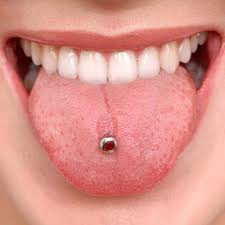
An infected tongue piercing can be alarming, uncomfortable, and disruptive to daily life, especially when eating or speaking becomes painful. Because the mouth naturally contains bacteria, tongue piercings require careful attention from day one to avoid complications that can escalate quickly if ignored. Understanding how infections develop and how to respond early can make a major difference in recovery.
This guide is designed to give clear, practical, and medically informed advice for anyone dealing with an infected tongue piercing or hoping to prevent one altogether. By learning the signs, care routines, and professional treatment options, you can protect your oral health while allowing your piercing to heal safely and confidently.
Infected Tongue Piercing: Causes and Risk Factors
An infected tongue piercing often develops when bacteria enter the piercing site during or after the procedure. Poor sterilization, touching the jewelry with unwashed hands, or oral contact too soon after piercing can introduce harmful microbes. The tongue’s constant movement and exposure to food particles also increase the risk of contamination during the early healing phase.
Lifestyle habits play a major role as well. Smoking, alcohol consumption, and sugary or acidic foods can slow healing and make an infected tongue piercing more likely. In some cases, low immunity or underlying oral health problems allow infections to develop faster and become more severe.
How Bacteria Enter the Piercing Site
Bacteria commonly enter through microscopic tears created during piercing. Even with professional tools, the wound remains vulnerable for weeks. An infected tongue piercing can begin when oral bacteria collect around the jewelry and multiply faster than the body can respond.
Sharing utensils, kissing during early healing, or skipping saline rinses can further increase bacterial exposure. Consistent hygiene is essential to keep the piercing site balanced and reduce inflammation before infection takes hold.
Symptoms and Early Warning Signs
Recognizing the symptoms of an infected tongue piercing early allows for quicker intervention and prevents complications. Common signs include persistent redness, swelling that worsens after the first few days, thick yellow or green discharge, and ongoing pain that does not improve. A foul taste or bad breath may also indicate bacterial growth.
More advanced cases of an infected tongue piercing may cause fever, swollen lymph nodes, or difficulty swallowing. These symptoms suggest that the infection may be spreading and should never be ignored, as oral infections can affect surrounding tissues rapidly.
Normal Healing vs Infection
During normal healing, mild swelling and tenderness are expected, especially within the first week. However, an infected tongue piercing continues to worsen rather than gradually improve. The pain often becomes sharper, and swelling may interfere with speech or eating beyond the typical healing window.
If symptoms remain intense after two weeks or suddenly intensify, professional evaluation is recommended. Dental professionals, including teams like Broadway Family Dentistry and Implants, can assess whether symptoms are part of healing or signs of infection.
Treatment Options and Professional Care
Treating an infected tongue piercing depends on severity. Mild infections may respond to warm saline rinses, alcohol-free antimicrobial mouthwash, and strict oral hygiene. Avoid removing the jewelry unless instructed by a professional, as doing so can trap bacteria inside the wound.
Moderate to severe cases of an infected tongue piercing often require professional care. Dentists or oral health specialists may prescribe antibiotics or recommend jewelry replacement with medical-grade materials. Seeking advice from experienced providers such as Broadway Family Dentistry and Implants ensures proper treatment and reduces the risk of complications.
When to See a Dental Professional
If swelling interferes with breathing, speech, or swallowing, immediate care is essential. An infected tongue piercing that spreads beyond the piercing site can become a serious health risk if untreated.
Dental clinics, including Broadway Family Dentistry and Implants, are well equipped to diagnose oral infections and guide safe recovery. Early professional care not only resolves symptoms faster but also helps preserve long-term oral health.
Prevention and Daily Care Practices
Preventing an infected tongue piercing begins with choosing a reputable piercer who follows strict sterilization protocols. High-quality jewelry made from titanium or surgical steel minimizes irritation and bacterial buildup. After the procedure, consistent aftercare is crucial.
Daily routines should include gentle saline rinses, careful brushing, and avoiding irritants. An infected tongue piercing is far less likely when oral hygiene remains consistent and habits like smoking or alcohol use are avoided during healing.
Long-Term Oral Health Maintenance
Even after healing, regular dental checkups help maintain oral balance. An infected tongue piercing can recur if plaque buildup or gum disease is present elsewhere in the mouth.
Maintaining hydration, eating nutrient-rich foods, and monitoring the piercing site ensures long-term comfort. Should concerns arise, consulting trusted dental professionals helps keep minor issues from becoming major problems.
Final Thoughts
An infected tongue piercing can be stressful, but with the right knowledge and timely care, most people recover fully without lasting effects. Paying attention to early symptoms and respecting the healing process makes a significant difference in outcomes.
Oral health should always be a priority, especially when introducing a piercing into such a sensitive environment. Staying informed empowers you to make safe choices and respond confidently if issues arise.
Conclusion
Managing and preventing an infected tongue piercing requires awareness, patience, and proper hygiene. From understanding risk factors to knowing when professional care is necessary, every step plays a role in safe healing.
With consistent aftercare, professional guidance when needed, and healthy daily habits, you can enjoy your piercing while protecting your overall oral health.



 Pro Benefits
 About
About
 Termini e Condizioni
 Privacy
 Child Safety & Protection
 Notifiche
 Ayrush Global It Services Pvt Ltd
 Italiano

 English
 Arabic
 French
 Spanish
 Portuguese
 Deutsch
 Turkish
 Dutch
Dutch
 Russian
 Romaian
 Portuguese (Brazil)
 Greek
Greek