Vision is one of the most valued human senses, yet many eye diseases develop silently without noticeable symptoms in their early stages. By the time blurred vision, discomfort, or visual field loss becomes apparent, the underlying condition may already be advanced. This is why detailed ocular examination plays a vital role in identifying eye disorders at their earliest and most treatable phases. Early detection not only preserves vision but also improves overall quality of life and reduces long-term healthcare costs.
A comprehensive eye assessment goes far beyond checking visual acuity. It evaluates the health of the cornea, lens, retina, optic nerve, and surrounding structures, helping clinicians detect subtle changes before they progress into serious complications.
The Silent Nature of Many Eye Diseases
Several common eye conditions are often asymptomatic in their early stages. Glaucoma, for example, gradually damages the optic nerve without causing pain or immediate vision changes. Similarly, diabetic retinopathy can begin with minor vascular changes in the retina that a patient may not notice until vision becomes significantly affected.
Macular degeneration, cataracts, and certain inflammatory conditions can also develop progressively. Without a detailed examination, these diseases may remain undiagnosed until irreversible damage occurs. Early identification allows for timely intervention, slowing or even halting disease progression.
Comprehensive Evaluation Beyond Vision Testing
Many individuals assume that if they can read clearly, their eyes are healthy. However, visual clarity is only one component of ocular health. A detailed examination includes assessment of:
-
Anterior segment structures such as the cornea and iris
-
Intraocular pressure measurement
-
Retinal health evaluation
-
Optic nerve analysis
-
Tear film quality and ocular surface condition
Each of these components provides valuable diagnostic information. For instance, elevated intraocular pressure may signal glaucoma risk, while retinal abnormalities can indicate systemic conditions like hypertension or diabetes.
Identifying Systemic Diseases Through the Eyes
The eyes often reflect broader health conditions. A detailed ocular examination can reveal early signs of systemic diseases, sometimes even before a patient is aware of them. Diabetes, hypertension, autoimmune disorders, and certain neurological conditions can manifest visible changes in the retinal blood vessels or optic nerve.
By detecting these changes early, healthcare providers can coordinate care with physicians, ensuring timely systemic treatment. In this way, eye examinations contribute not only to vision preservation but also to overall health monitoring.
Early Detection Improves Treatment Outcomes
One of the strongest arguments for detailed ocular assessment is the significant improvement in treatment outcomes when diseases are caught early. For example:
-
Early-stage glaucoma can often be managed effectively with medication.
-
Initial cataract development can be monitored and treated before severe visual impairment occurs.
-
Retinal conditions identified promptly may respond better to medical or laser therapies.
Delaying diagnosis reduces available treatment options and increases the risk of permanent vision loss. Early intervention is often less invasive, more affordable, and more successful.
The Role of Advanced Examination Techniques
Modern eye care relies on advanced diagnostic tools that allow clinicians to examine the eye in exceptional detail. Instruments such as retinal imaging systems, optical coherence tomography, and biomicroscopic evaluation devices provide magnified views of delicate ocular structures.
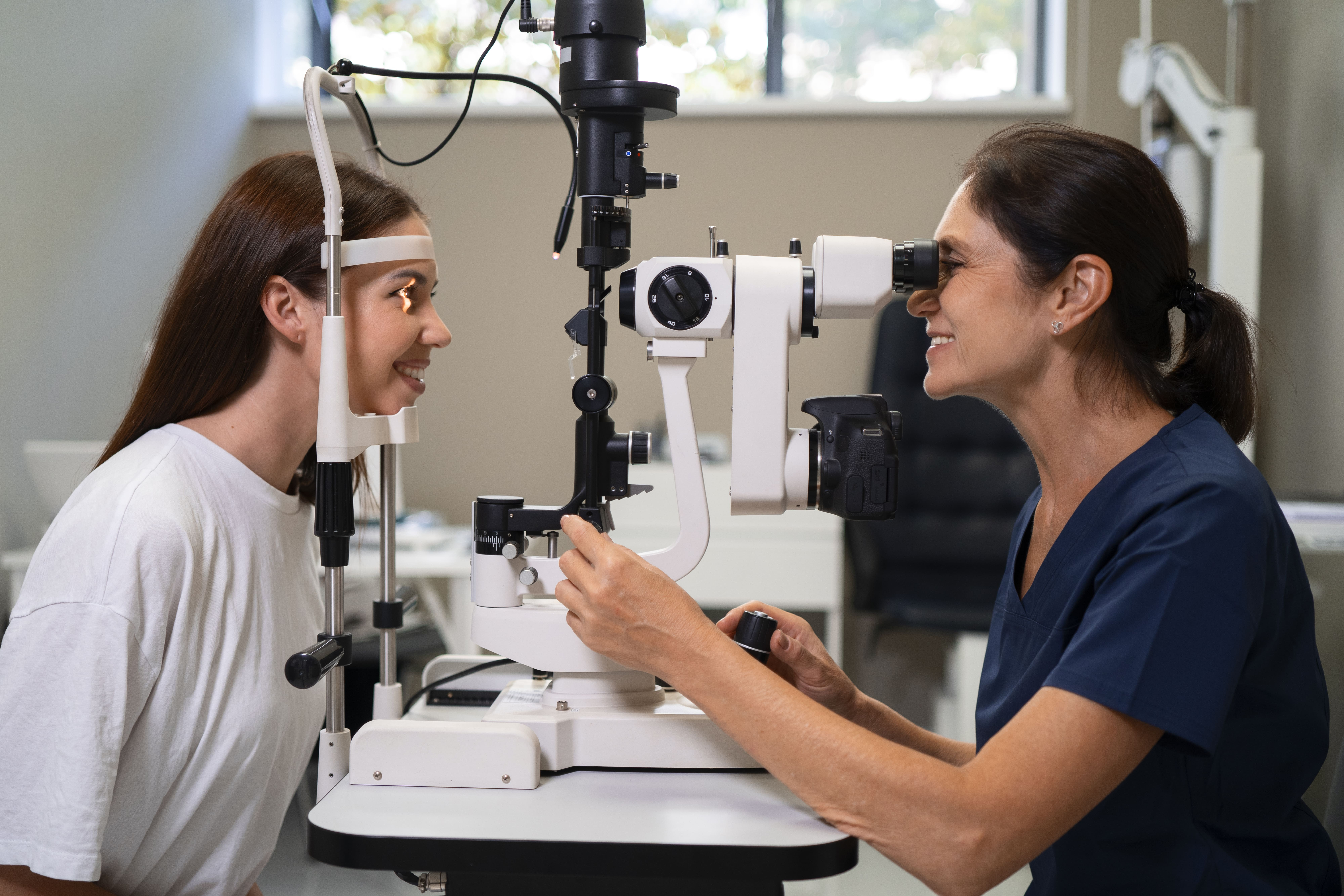
During a routine comprehensive check, the lamp slit enables specialists to examine the anterior and posterior segments with high precision, detecting microscopic abnormalities that might otherwise go unnoticed. This level of magnification is crucial for identifying early infections, corneal injuries, lens opacities, or subtle inflammatory changes.
Such advanced techniques transform preventive eye care from a basic vision test into a powerful diagnostic process.
Preventing Vision Loss in High-Risk Groups
Certain individuals are at higher risk for developing ocular diseases. These include:
-
People with diabetes
-
Individuals over the age of 40
-
Patients with a family history of glaucoma
-
Those with high refractive errors
-
Individuals with prolonged digital screen exposure
For high-risk populations, detailed ocular examination becomes even more critical. Regular monitoring allows clinicians to track changes over time, making it easier to detect early warning signs. Preventive care in these groups can significantly reduce the likelihood of severe visual impairment.
Pediatric and Geriatric Considerations
Early detection is equally important in children and older adults. In pediatric patients, undiagnosed refractive errors, amblyopia, or congenital abnormalities can interfere with learning and development. Since children may not recognize or communicate visual difficulties, routine detailed assessments are essential.
In elderly patients, age-related changes increase the risk of cataracts, macular degeneration, and glaucoma. Regular comprehensive examinations help maintain independence and reduce fall risk associated with poor vision.
Economic and Social Impact of Early Detection
Vision loss has substantial economic and social consequences. It can limit employment opportunities, reduce productivity, and increase dependence on caregivers. Healthcare costs also rise significantly when advanced disease requires complex treatment or surgery.
By prioritizing detailed ocular examinations, many of these burdens can be minimized. Early management reduces long-term treatment expenses and helps individuals maintain functional vision for daily activities.
Encouraging a Preventive Mindset
Despite the clear benefits, many people only seek eye care when symptoms appear. Public awareness about the importance of preventive examinations must increase. Eye health should be viewed similarly to dental or general medical check-ups—routine, essential, and proactive.
Healthcare providers play a key role in educating patients about scheduling regular examinations, even when vision seems normal. Preventive care is always more effective than reactive treatment.
Conclusion
Detailed ocular examination is not merely about updating a prescription; it is a critical component of early disease detection and long-term vision preservation. Many serious eye conditions develop silently, and only a comprehensive assessment can reveal subtle early changes.
Through advanced diagnostic techniques, systematic evaluation, and consistent monitoring, clinicians can identify ocular and systemic diseases at their earliest stages. Early detection leads to better treatment outcomes, lower healthcare costs, and improved quality of life.
Ultimately, protecting vision requires vigilance. Regular, thorough eye examinations remain one of the most powerful tools in preventing avoidable blindness and ensuring lifelong ocular health.



 Pro Benefits
 About
About
 Voorwaarden
 Privacy
 Child Safety & Protection
 Meldingen
 Ayrush Global It Services Pvt Ltd
 Dutch
Dutch

 English
 Arabic
 French
 Spanish
 Portuguese
 Deutsch
 Turkish
 Italiano
 Russian
 Romaian
 Portuguese (Brazil)
 Greek
Greek