


 Pro Benefits
 About
About
 Koşullar
 Gizlilik
 Child Safety & Protection
 Bildirimler
 Ayrush Global It Services Pvt Ltd
Emergency Surgery What You Need to Know About Life-Saving Surgical Care
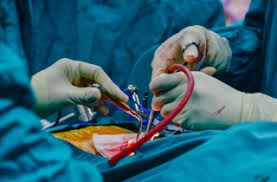
Emergency Surgery plays a critical role in modern healthcare, providing immediate surgical intervention when a patient’s life, organ function, or long-term health is at serious risk. Unlike planned procedures, these surgeries are performed under intense time pressure, often with limited patient history and no opportunity for extensive preparation. Understanding how Emergency Surgery works, when it is needed, and what patients and families can expect can help reduce fear and improve outcomes.
In this article, we explore the importance, process, risks, and recovery associated with Emergency Surgery, offering a comprehensive guide for patients, caregivers, and healthcare professionals.
Understanding Emergency Surgery and Its Purpose
Emergency Surgery refers to surgical procedures that must be performed immediately or within a very short time frame to prevent death, permanent disability, or severe complications. These surgeries are typically unplanned and arise from sudden medical conditions or traumatic injuries.
Common reasons for Emergency Surgery include internal bleeding, perforated organs, severe infections, bowel obstruction, or traumatic injuries from accidents. The primary goal is stabilization — stopping bleeding, removing damaged tissue, or restoring vital function as quickly as possible.
Because time is critical, decisions during Emergency Surgery are often made rapidly, prioritizing survival over long-term cosmetic or functional outcomes. Despite these challenges, advances in surgical techniques and critical care have significantly improved survival rates.
Common Conditions That Require Emergency Surgery
Many medical conditions can escalate quickly and require Emergency Surgery to avoid life-threatening consequences. Trauma-related cases, such as car accidents or falls, are among the most common causes. These often involve internal organ damage or severe hemorrhage.
Other frequent indications include acute appendicitis, ruptured aneurysms, perforated ulcers, and strangulated hernias. Severe infections like necrotizing fasciitis or abdominal sepsis may also necessitate immediate Emergency Surgery.
In each of these cases, delay can lead to rapid deterioration. Recognizing warning signs — intense pain, sudden swelling, uncontrolled bleeding, or loss of consciousness — can be lifesaving and should prompt immediate medical attention.
Preoperative Assessment in Emergency Situations
Unlike elective procedures, Emergency Surgery allows minimal time for extensive preoperative evaluation. Physicians must quickly assess vital signs, airway stability, and the severity of the condition while simultaneously preparing the patient for surgery.
Diagnostic tools such as rapid blood tests, ultrasound, or CT scans are often used to guide surgical decisions. Consent may be obtained from the patient or family when possible, but in life-threatening situations, surgery may proceed under implied consent.
This phase also involves coordination between surgical teams, anesthesia providers, and nursing staff to ensure patient safety. The principles of Surgery and Perioperative Care are applied swiftly and efficiently to stabilize the patient before entering the operating room.
How Emergency Surgery Differs from Elective Surgery
The key difference between Emergency Surgery and elective surgery lies in urgency and preparation. Elective procedures are planned in advance, allowing time for optimization of health conditions, detailed imaging, and patient education.
In contrast, Emergency Surgery is reactive. Surgeons often operate with incomplete information and must adapt quickly to unexpected findings during the procedure. This unpredictability increases the complexity and risk involved.
Additionally, patients undergoing Emergency Surgery may already be unstable due to shock, infection, or trauma. As a result, postoperative complications and longer hospital stays are more common than with planned surgeries.
Risks and Complications Associated with Emergency Surgery
All surgeries carry risks, but Emergency Surgery is associated with higher complication rates due to the patient’s critical condition and limited preparation time. Common risks include infection, bleeding, blood clots, and adverse reactions to anesthesia.
Organ dysfunction, particularly involving the lungs, kidneys, or heart, may occur after Emergency Surgery, especially in older patients or those with chronic illnesses. The stress response triggered by sudden surgery can also impact recovery.
Despite these risks, delaying or avoiding Emergency Surgery when indicated often poses a far greater danger. Surgical teams work diligently to minimize complications through rapid assessment, sterile techniques, and intensive postoperative monitoring.
Recovery and Postoperative Care After Emergency Surgery
Recovery after Emergency Surgery varies widely depending on the underlying condition, patient health, and complexity of the procedure. Some patients may recover within days, while others require prolonged hospitalization or rehabilitation.
Postoperative care focuses on pain management, infection prevention, and restoration of normal bodily functions. Patients are closely monitored in recovery units or intensive care settings, especially following major Emergency Surgery.
Emotional recovery is also important. Patients and families may experience stress or trauma following sudden medical crises. Clear communication and follow-up care play a vital role in overall healing and long-term outcomes.
The Role of Multidisciplinary Teams in Emergency Surgery
Successful Emergency Surgery relies on seamless collaboration among healthcare professionals. Surgeons, anesthesiologists, nurses, radiologists, and critical care specialists must work together under intense pressure.
Rapid communication and clearly defined roles allow teams to act efficiently. Protocols and checklists are often used to reduce errors and ensure patient safety during Emergency Surgery.
Advances in hospital systems, trauma centers, and surgical training have strengthened team-based approaches, leading to improved survival and recovery rates even in the most critical cases.
Advances and Future Trends in Emergency Surgery
Medical technology continues to transform Emergency Surgery. Minimally invasive techniques, improved imaging, and faster diagnostic tools now allow surgeons to act with greater precision and confidence, even in high-pressure situations. Leading institutions such as St George Hospital are adopting advanced surgical technologies to enhance decision-making and patient safety during emergency procedures.
Robotic-assisted techniques and enhanced recovery protocols are also beginning to influence emergency settings. At centers like St George Hospital, these innovations aim to reduce surgical trauma, shorten hospital stays, and improve patient outcomes following Emergency Surgery.
As healthcare systems evolve, continued investment in training, infrastructure, and research—supported by established medical facilities including St George Hospital—will further strengthen the effectiveness and safety of emergency surgical care worldwide.
Frequently Asked Questions (FAQs)
What qualifies as Emergency Surgery?
Emergency Surgery is required when a condition threatens life, limb, or organ function and cannot be delayed without serious consequences.
Is Emergency Surgery always high risk?
While Emergency Surgery carries higher risks than planned procedures, it is often the safest and only option to save a patient’s life.
Can a patient refuse Emergency Surgery?
If the patient is conscious and competent, they may refuse. However, in life-threatening situations where consent cannot be obtained, doctors may proceed to preserve life.
How long is recovery after Emergency Surgery?
Recovery depends on the condition and procedure. Some patients recover quickly, while others need extended care and rehabilitation after Emergency Surgery.
Are outcomes improving for Emergency Surgery?
Yes. Advances in surgical techniques, critical care, and hospital systems have significantly improved survival and recovery outcomes for Emergency Surgery patients.

 English
 Arabic
 French
 Spanish
 Portuguese
 Deutsch
 Dutch
Dutch
 Italiano
 Russian
 Romaian
 Portuguese (Brazil)
 Greek
Greek
