


 Pro Benefits
 About
About
 Termini e Condizioni
 Privacy
 Child Safety & Protection
 Notifiche
 Ayrush Global It Services Pvt Ltd
Sewage Infrastructure: When Should Your Community Upgrade Treatment Systems?
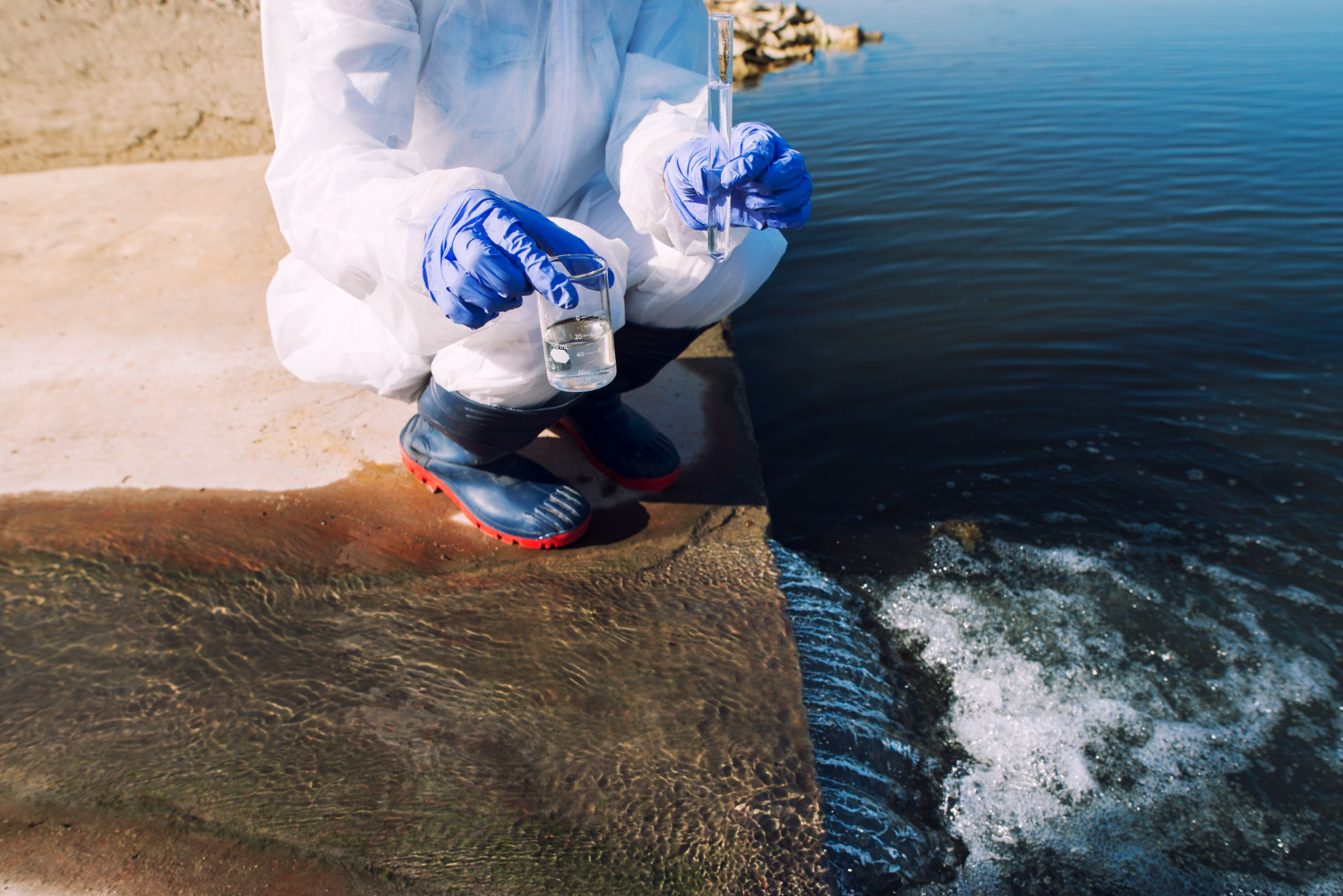
Sewage infrastructure plays a silent but critical role in keeping communities healthy and environments clean. Most people rarely think about what happens to wastewater after it leaves homes, schools, hospitals, and industries. However, when sewage systems become outdated or overloaded, the impact can be serious. Knowing when to upgrade treatment systems is essential for the safety, growth, and sustainability of any community.
What Is Sewage Infrastructure?
Sewage infrastructure includes the network of pipes, pumps, treatment plants, and disposal systems that collect and treat wastewater. This wastewater contains household waste, industrial discharge, and stormwater runoff. The main goal of sewage infrastructure is to safely remove harmful substances from wastewater before releasing it back into rivers, lakes, or the ground. Proper sewage treatment ensures that water sources remain clean and safe for people and ecosystems.
Why Sewage Infrastructure Matters
A well-functioning sewage system is essential for daily life. Without it, communities face risks such as water pollution, disease outbreaks, and environmental damage. Strong sewage infrastructure helps protect public health, prevent water contamination, support urban growth, and improve quality of life. As populations grow and cities expand, older systems often struggle to handle increased demand.
Signs Your Community Needs an Upgrade
Many communities continue using sewage systems that were built decades ago. Over time, wear and tear reduce efficiency. Key signs that indicate it may be time to upgrade include frequent system failures such as sewage overflows, blocked drains, or pipe leaks, growing population pressure that increases wastewater volume, environmental pollution in nearby rivers or groundwater, and rising health concerns linked to unsafe wastewater. Proper sewage treatment becomes critical when these warning signs appear.
Aging Infrastructure and Its Risks
Many sewage systems in towns and cities were built 30 to 50 years ago. Aging pipes can crack, corrode, or collapse, while old treatment plants may not meet modern environmental standards. Risks of outdated systems include untreated wastewater discharge, higher maintenance costs, increased health risks, and legal penalties. Upgrading infrastructure helps communities avoid emergency repairs and long-term damage.
Impact of Climate Change on Sewage Systems
Climate change is placing additional pressure on sewage infrastructure. Heavy rainfall can overload systems, causing sewage to mix with stormwater and overflow into natural water bodies. Communities experiencing frequent flooding, rising groundwater levels, or extreme weather events should consider system upgrades. Modern infrastructure is designed to be more resilient and adaptable to these changing conditions.
Benefits of Upgrading Sewage Treatment Systems
Upgrading sewage systems is an investment in the future. Advanced sewage treatment improves public health by reducing harmful bacteria and pollutants, protects the environment by preventing water pollution, supports economic growth by attracting businesses and improving property values, and ensures compliance with environmental regulations. Modern systems also reduce long-term maintenance costs.
When Is the Right Time to Upgrade?
There is no fixed timeline for every community, but upgrades should be planned when systems operate beyond capacity, maintenance costs continue to rise, environmental regulations become stricter, or long-term population growth is expected. Proactive planning is always more cost-effective than reacting to system failures.
Community Involvement and Planning
Successful sewage infrastructure upgrades require community involvement and transparent planning. Local governments, engineers, and residents must work together to assess current system performance, conduct environmental studies, secure funding, and educate the public on responsible water use. Community participation ensures long-term success and trust.
Sustainable and Modern Solutions
Modern sewage systems focus on sustainability and efficiency. Technologies such as advanced biological treatment, decentralized treatment plants, and resource recovery from wastewater help reduce environmental impact. Investing in sustainable sewage treatment solutions supports long-term environmental protection and resilience.
Conclusion
Sewage infrastructure may operate behind the scenes, but its importance cannot be ignored. Aging systems, population growth, environmental risks, and climate change are clear signals that upgrades are needed. By investing in modern sewage treatment systems at the right time, communities can protect public health, preserve natural resources, and build a safer, more sustainable future.
 Italiano
 English
 Arabic
 French
 Spanish
 Portuguese
 Deutsch
 Turkish
 Dutch
Dutch
 Russian
 Romaian
 Portuguese (Brazil)
 Greek
Greek
