When it comes to rejuvenating your complexion, two of the most talked-about skincare treatments are Hydrafacial and chemical peels — especially for anyone researching HydraFacial in Riyadh as a way to achieve smoother, brighter skin. Both options are designed to remove dead skin cells, promote renewal, and improve overall skin appearance, but they do so in fundamentally different ways and are suited to varying skin types and concerns. Understanding how each treatment works, what results you can realistically expect, and how they compare in terms of comfort, effectiveness, and maintenance can help you decide which option aligns with your skincare goals.
What Is a Hydrafacial:
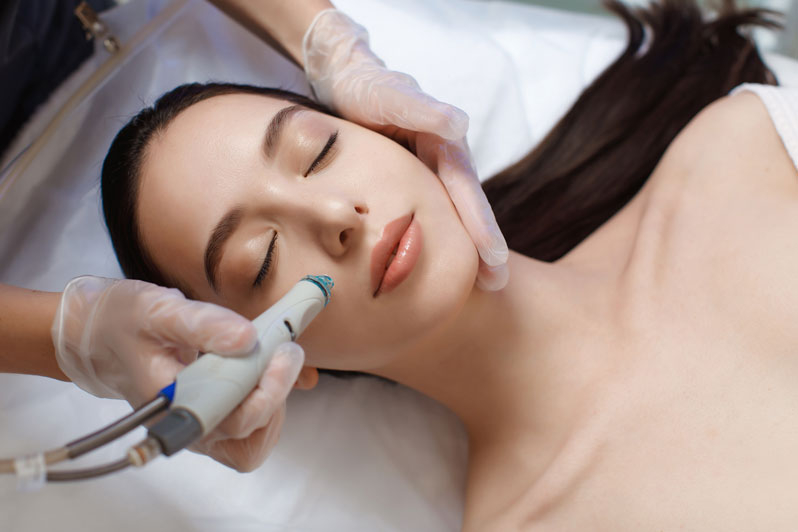
A Hydrafacial is a non-invasive, multi-step treatment that uses a specialized device to cleanse, exfoliate, extract impurities, and infuse potent serums into the skin, all in a single session; this method relies on controlled vortex technology that gently removes dead skin cells and debris while delivering hydrating and antioxidant-rich serums that help improve hydration, clarity, and luminosity with minimal discomfort and essentially no downtime.
What Is a Chemical Peel:
A chemical peel involves applying a solution of acids — such as glycolic, salicylic, lactic, or trichloroacetic acid — to the skin to deliberately induce a controlled exfoliation process; this chemical exfoliation breaks down the bonds between dead skin cells so they can be shed, revealing fresher, smoother skin beneath, and varying strengths of peels can address anything from mild surface dullness to deeper signs of aging and pigmentation.
How They Work Differently on the Skin:
Hydrafacial works through a mechanical and hydrating process that simultaneously removes debris and nourishes the skin, while chemical peels rely on chemical reactions to dissolve dead skin layers; in practice this means Hydrafacial is often gentler and suitable for frequent treatments, whereas chemical peels can be more aggressive depending on the acids and concentrations used, which triggers more significant exfoliation but can also cause temporary redness and peeling.
Immediate Results and Sensations:
After a Hydrafacial, many patients report an instant glow, enhanced smoothness, and better skin hydration with few if any side effects, while chemical peels may initially cause tingling, warmth, or mild stinging during application and lead to visible peeling a day or two later; immediate results differ in that Hydrafacial tends to feel refreshing and comfortable, and peels often deliver more dramatic exfoliation but with a short period of visible flaking or dryness as the skin sheds.
Targeted Concerns Best Addressed by Each:
Depending on your skin concerns, one treatment may be more suitable than the other, for example:
Skin Types and Safety Considerations:
Hydrafacial tends to be well-tolerated across many skin types, including sensitive skin, due to its gentle, controlled approach and hydrating serums; chemical peels require more caution, as stronger acid solutions can increase irritation, sensitivity to sun, and peeling, making it crucial to choose a formulation tailored to your skin and performed by a trained professional who can assess your individual tolerance and needs.
Frequency and Maintenance:
In terms of maintenance, Hydrafacial can be performed more regularly — such as every 3 to 4 weeks — to support ongoing hydration, pore clarity, and surface texture, whereas chemical peels are typically scheduled less frequently, especially for medium and deep peels, which may only be advisable every few months; consistent treatments with either option help sustain results, but the recommended timing varies based on your skin’s response and goals.
Cost and Value Comparison:
When evaluating the cost of these treatments, Hydrafacial sessions generally tend to be priced higher than basic chemical peels, but they often include multiple actions in one visit and minimal downtime, making them appealing for those who want convenience and comfort; chemical peels, especially deeper ones, may deliver more profound results for certain concerns, but require careful preparation, possible downtime, and an understanding that results may unfold as the skin sheds and heals.
Expert Insights on Choosing Between the Two:
Dermatologists and skincare professionals often frame the choice between Hydrafacial and chemical peels not as better-or-worse overall, but rather based on alignment with your specific concerns and tolerance levels: if your priority is gentle rejuvenation, regular hydration, and minimal recovery time, Hydrafacial may be more suitable, whereas if you’re targeting stubborn pigmentation, textural irregularities, or signs of aging that need deeper exfoliation, a chemical peel — selected at the appropriate strength — may yield stronger resurfacing effects.
Real Results and What to Expect:
Ultimately, real results from either Hydrafacial or chemical peels depend on consistency, pre- and post-treatment care, and realistic expectations; many people enjoy the instant brightness and smoothness from Hydrafacial with little to no peeling, while chemical peels can deliver noticeable changes in tone and texture over time as the skin completes its exfoliation cycle — and in some cases, these treatments are combined strategically within a skincare regimen to maximize benefits.
Choosing the Right Provider:
When booking HydraFacial in Riyadh or a chemical peel, selecting a qualified provider with experience in both modalities is essential — proper skin assessment, individualized treatment planning, and professional execution directly influence safety and outcomes, ensuring that the chosen treatment aligns with your skin type and desired results without unnecessary side effects.
Final Thoughts:
Both Hydrafacial and chemical peels offer valuable benefits for skin rejuvenation, but they serve different purposes depending on your goals, tolerance, and maintenance preferences; Hydrafacial shines as a gentle, hydrating option that delivers immediate glow and comfort with minimal downtime, while chemical peels — when chosen correctly — can provide deeper exfoliation and address more stubborn concerns with measurable changes over time. By understanding the strengths of each and consulting with a trusted professional, you can make a confident decision that fits your skincare journey, whether you’re drawn to the refreshing experience of HydraFacial in Riyadh or the targeted correction offered by a customized chemical peel.



 Pro Benefits
 About
About
 Terms
Terms
 Privacy
 Child Safety & Protection
 Notifications
 Ayrush Global It Services Pvt Ltd

 Arabic
 French
 Spanish
 Portuguese
 Deutsch
 Turkish
 Dutch
Dutch
 Italiano
 Russian
 Romaian
 Portuguese (Brazil)
 Greek
Greek
