


 Pro Benefits
 Environ
 Conditions générale de vente
 Confidentialité
 Child Safety & Protection
 Notifications
 Ayrush Global It Services Pvt Ltd
Non Alcoholic Wines | A Complete Guide for Wine Lovers
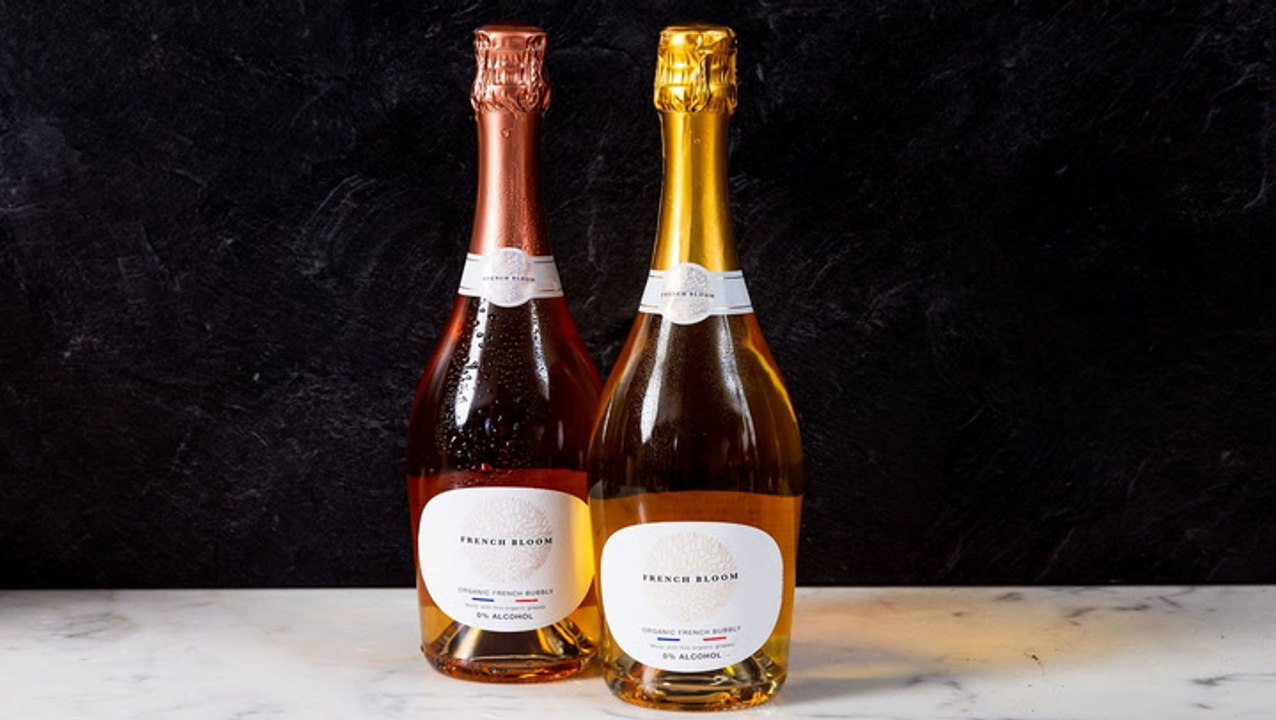
Wine has been cherished for centuries as a symbol of culture, celebration, and relaxation. Traditionally, wine has always been associated with alcohol, but in recent years, a growing number of people have sought alternatives that provide the same sophistication and flavor without the intoxicating effects. This demand has given rise to non alcoholic wines, an innovative beverage option that offers the ritual and pleasure of wine drinking while catering to modern lifestyles.
For many, non alcoholic wines are not simply substitutes but rather meaningful choices that align with health, wellness, and inclusivity. Whether enjoyed at a dinner table, a special celebration, or as part of everyday life, these beverages allow people to participate in the culture of wine without the concerns that come with alcohol.
The Rise of Non Alcoholic Wines
The global beverage industry has undergone remarkable changes in the past decade. Consumer preferences are shifting toward healthier lifestyles, and more people are exploring mindful drinking or abstaining from alcohol altogether. This has created space for non alcoholic options to thrive.
Younger generations, in particular, are more conscious of wellness trends. Many are reducing their alcohol intake without sacrificing social experiences. For others, religious, medical, or personal reasons make alcohol consumption impractical. Non alcoholic wines bridge this gap by allowing people to raise a glass without compromise.
In addition, the quality of these beverages has improved significantly thanks to modern winemaking techniques. What was once considered an uninspired alternative is now gaining recognition for its craftsmanship, complexity, and refined taste.
How Non Alcoholic Wines Are Made
The creation of non alcoholic wines begins much like traditional wine. Grapes are harvested, crushed, and fermented to develop flavor complexity. The key difference lies in the final stage of production, where the alcohol is removed.
Several techniques are commonly used:
-
Vacuum Distillation: This method lowers the boiling point of alcohol, allowing it to evaporate without overly damaging the wine’s aroma and flavor.
-
Reverse Osmosis: This process filters the wine through membranes that separate water and alcohol from the flavor compounds, after which the wine is reconstituted without the alcohol.
-
Spinning Cone Column: This advanced technology carefully removes alcohol while preserving delicate aroma compounds, resulting in a wine that maintains much of its original character.
The result is a beverage that retains the body, flavor, and aroma of traditional wine, but with less than 0.5% alcohol by volume — a level considered non alcoholic by most global standards.
Types of Non Alcoholic Wines
Just like traditional wines, non alcoholic wines come in various styles to cater to different palates and occasions.
Red Wines: Known for their rich flavors and tannins, non alcoholic reds mimic classic varietals like Cabernet Sauvignon, Merlot, or Pinot Noir. They pair beautifully with hearty dishes and retain the warmth and depth that red wine enthusiasts love.
White Wines: Crisp, refreshing, and versatile, non alcoholic whites are available in options such as Chardonnay, Sauvignon Blanc, and Riesling. These wines complement lighter fare like seafood, poultry, or vegetarian meals.
Rosé Wines: Popular for their vibrant color and delicate balance of fruitiness, non alcoholic rosés are perfect for warm days or festive gatherings. They bring the charm of summer in a glass without the effects of alcohol.
Sparkling Wines: Effervescent and celebratory, non alcoholic sparkling wines are ideal for toasts, weddings, and special occasions. Many are crafted to emulate the brightness of Champagne or Prosecco, offering a festive experience without alcohol.
Health Benefits of Choosing Non Alcoholic Wines
While traditional wines may contain antioxidants such as resveratrol, many people prefer non alcoholic versions for the broader health benefits of avoiding alcohol.
-
Reduced Calorie Intake: Non alcoholic wines generally contain fewer calories than their alcoholic counterparts, making them appealing to those mindful of diet and weight management.
-
Lower Health Risks: By eliminating alcohol, these wines help reduce the risks associated with liver damage, high blood pressure, and addiction.
-
Safe for More People: They are suitable for pregnant women, designated drivers, individuals with health conditions, or anyone who avoids alcohol for personal reasons.
-
Hydration and Balance: Without the dehydrating effects of alcohol, non alcoholic wines allow individuals to enjoy a drink without the aftereffects such as headaches or fatigue.
These benefits make them a smart choice for those seeking balance between enjoyment and well-being.
Pairing Non Alcoholic Wines with Food
One of the joys of wine culture is pairing it with food, and non alcoholic wines provide the same versatility.
-
A non alcoholic red pairs beautifully with grilled meats, pasta, or mushroom-based dishes, enhancing savory flavors.
-
A non alcoholic white complements seafood, salads, and poultry with its crisp, refreshing qualities.
-
A non alcoholic rosé is perfect for appetizers, charcuterie boards, and light summer meals.
-
A non alcoholic sparkling wine works well with festive foods, desserts, or simply as a refreshing aperitif.
By experimenting with pairings, wine lovers can discover new flavor experiences without relying on alcohol.
Non Alcoholic Wines in Social and Cultural Settings
Wine is often associated with tradition, hospitality, and celebration. For those who do not drink alcohol, this association can sometimes feel limiting. Non alcoholic wines change the narrative by making gatherings more inclusive.
At weddings, they allow all guests to participate in toasts. At family dinners, they provide an option that everyone can enjoy. In professional or formal settings, they offer sophistication without the risk of intoxication. Non alcoholic wines preserve the culture and symbolism of wine, ensuring that no one is left out of shared experiences.
The Growing Market and Availability
The demand for non alcoholic beverages has expanded rapidly, and wines are no exception. What was once a niche market is now stocked by major retailers, supermarkets, and specialty stores. Online platforms also provide access to a wide range of domestic and international options.
Producers are continually improving quality to meet rising expectations, and many traditional wineries are adding alcohol-free selections to their portfolios. This growth ensures that consumers now have access to better flavor, broader variety, and higher quality than ever before.
Challenges and Misconceptions
Despite their rising popularity, non alcoholic wines still face challenges. Some consumers assume they are merely grape juice, but in reality, they undergo the same fermentation and winemaking process as traditional wines before alcohol removal. Others may believe they lack complexity, yet many modern producers are proving otherwise with refined and carefully crafted bottles.
Price is another factor. High-quality non alcoholic wines can sometimes cost as much as traditional wines due to the advanced technology required for alcohol removal. However, for many consumers, the health benefits and inclusivity outweigh the cost.
The Future of Non Alcoholic Wines
As more people embrace mindful drinking, the future of non alcoholic wines looks promising. Innovation in production methods continues to enhance taste and quality. Sustainability initiatives are also influencing the industry, with many producers focusing on organic farming and eco-friendly packaging.
With younger generations driving demand for healthier lifestyle choices, the category is likely to grow even more in the coming years. Non alcoholic wines are no longer just an alternative; they are becoming a celebrated choice in their own right.
Conclusion
Non alcoholic wines represent a shift in how we think about social drinking and personal wellness. They offer the richness, aroma, and culture of wine without the drawbacks of alcohol. For those who want to raise a glass at celebrations, enjoy a meal with elegance, or simply savor a quiet evening without compromise, these beverages provide the perfect solution.
As the industry continues to grow and innovate, non alcoholic wines will become an even more common feature at dinner tables, parties, and restaurants around the world. For many, they are not just a substitute but a genuine part of modern wine culture — one that reflects balance, inclusivity, and enjoyment for all.
 French
 English
 Arabic
 Spanish
 Portuguese
 Deutsch
 Turkish
 Dutch
Dutch
 Italiano
 Russian
 Romaian
 Portuguese (Brazil)
 Greek
Greek
