


 Pro Benefits
 Environ
 Conditions générale de vente
 Confidentialité
 Child Safety & Protection
 Notifications
 Ayrush Global It Services Pvt Ltd
How Do Teachers Teach Media Literacy to Help Students Identify Deepfakes and AI-Generated Misinformation?
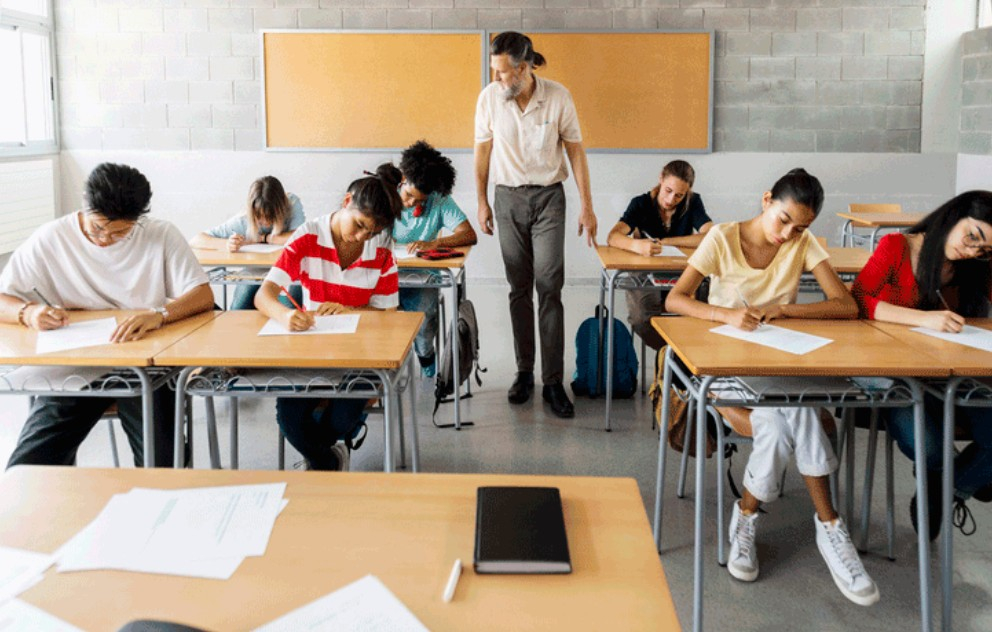
In today’s digital world, students are constantly exposed to information from multiple sources, many of which are unreliable. The rise of deepfakes and AI-generated misinformation has made media literacy more critical than ever. Educators play a vital role in helping students develop the skills to critically evaluate content, identify manipulated media, and make informed decisions about what to trust online. Teaching media literacy is no longer optional—it is a core aspect of preparing students for responsible digital citizenship. Schools increasingly recognize that students need structured guidance to navigate complex media landscapes effectively, rather than learning through trial and error.
Integrating Media Literacy into the Curriculum
To teach students how to recognize deepfakes and AI-generated misinformation, teachers integrate media literacy into everyday learning. This involves incorporating lessons on critical thinking, source verification, and ethical use of technology. Teachers introduce practical exercises, such as analyzing news articles, comparing video sources, and identifying inconsistencies in visual media. Role-playing activities and interactive workshops can also help students recognize persuasive techniques used in manipulated content. By embedding these skills into regular lessons, educators ensure that students develop a habit of questioning information rather than passively consuming it. Professionals trained through programs like the Invigilator Course understand the importance of structured oversight in educational settings, which includes monitoring how students interact with digital content and ensuring academic integrity.
The Role of Critical Thinking and Questioning
Critical thinking is at the heart of effective media literacy. Students must learn to ask the right questions when consuming media: Who created this content? What is the purpose behind it? Is the source trustworthy? Does the information align with other credible reports? By teaching students to consistently question and analyze information, educators equip them to detect deepfakes and AI-generated misinformation before accepting it as truth. Encouraging discussions and debates around current digital media trends also helps students articulate their reasoning and identify flawed arguments. Institutions offering programs like the Invigilator Course emphasize structured evaluation and monitoring techniques that reinforce critical thinking skills and help maintain a reliable learning environment.
Hands-On Activities to Spot AI-Generated Content
Practical experience is crucial for developing media literacy. Teachers use hands-on activities to demonstrate how AI can manipulate images, audio, and video. Students might compare a real video clip with a deepfake version, examine subtle inconsistencies in facial movements, or study the text patterns generated by AI tools. Such activities are not only engaging but also reveal the mechanics behind misinformation. Learning to spot telltale signs of AI manipulation—such as mismatched lip movements, unnatural lighting, or implausible backgrounds—gives students a toolkit to critically assess content independently. Professionals trained in the Invigilator Course understand how structured monitoring and evaluation can reinforce learning outcomes and maintain academic integrity during these exercises.
Encouraging Ethical Use of Technology
Media literacy education is not just about identifying false information; it also emphasizes the ethical use of technology. Students learn that creating and sharing manipulated media can have serious consequences for individuals and communities. Teachers discuss the legal, social, and moral implications of deepfakes, fostering a culture of responsibility and accountability. Ethical discussions encourage students to consider how their actions online impact others and to develop a mindset of digital citizenship. Training programs such as the Invigilator Course highlight the importance of creating an environment that balances freedom of expression with responsible use of technology, which aligns directly with teaching ethical decision-making to students.
Assessment and Continuous Improvement
Evaluating the effectiveness of media literacy instruction is essential to ensure students gain practical skills. Teachers can use assessments such as identifying misinformation in sample articles, explaining why a video is manipulated, or presenting strategies for verifying online sources. Regular feedback helps students refine their critical thinking abilities and strengthens their confidence in handling complex media. Continuous improvement also applies to teachers themselves, who need ongoing professional development to stay current with emerging AI tools and deepfake technologies. By combining evaluation with hands-on learning and structured monitoring, educators create an environment that encourages curiosity, caution, and competence. Programs like the Invigilator Course provide valuable frameworks for maintaining consistent standards and supporting teachers in these initiatives.
The Importance of Collaboration
Finally, fostering collaboration between teachers, students, and parents is key to strengthening media literacy. Workshops, parent-teacher sessions, and online resources can help extend learning beyond the classroom. Students benefit from knowing that adults support them in navigating the digital world safely, and parents gain insight into the challenges posed by AI-generated misinformation. Collaborative efforts ensure that media literacy is not confined to isolated lessons but becomes a shared responsibility across the learning community. The Invigilator Course emphasizes communication, oversight, and accountability, all of which contribute to creating a supportive environment where students can practice media literacy responsibly and effectively.
 French
 English
 Arabic
 Spanish
 Portuguese
 Deutsch
 Turkish
 Dutch
Dutch
 Italiano
 Russian
 Romaian
 Portuguese (Brazil)
 Greek
Greek
