


 Pro Benefits
 Sobre
Sobre
 Termos
 Privacidade
 Child Safety & Protection
 Notificações
 Ayrush Global It Services Pvt Ltd
How Interior Design Choices Impact How Dirty Your Home Gets
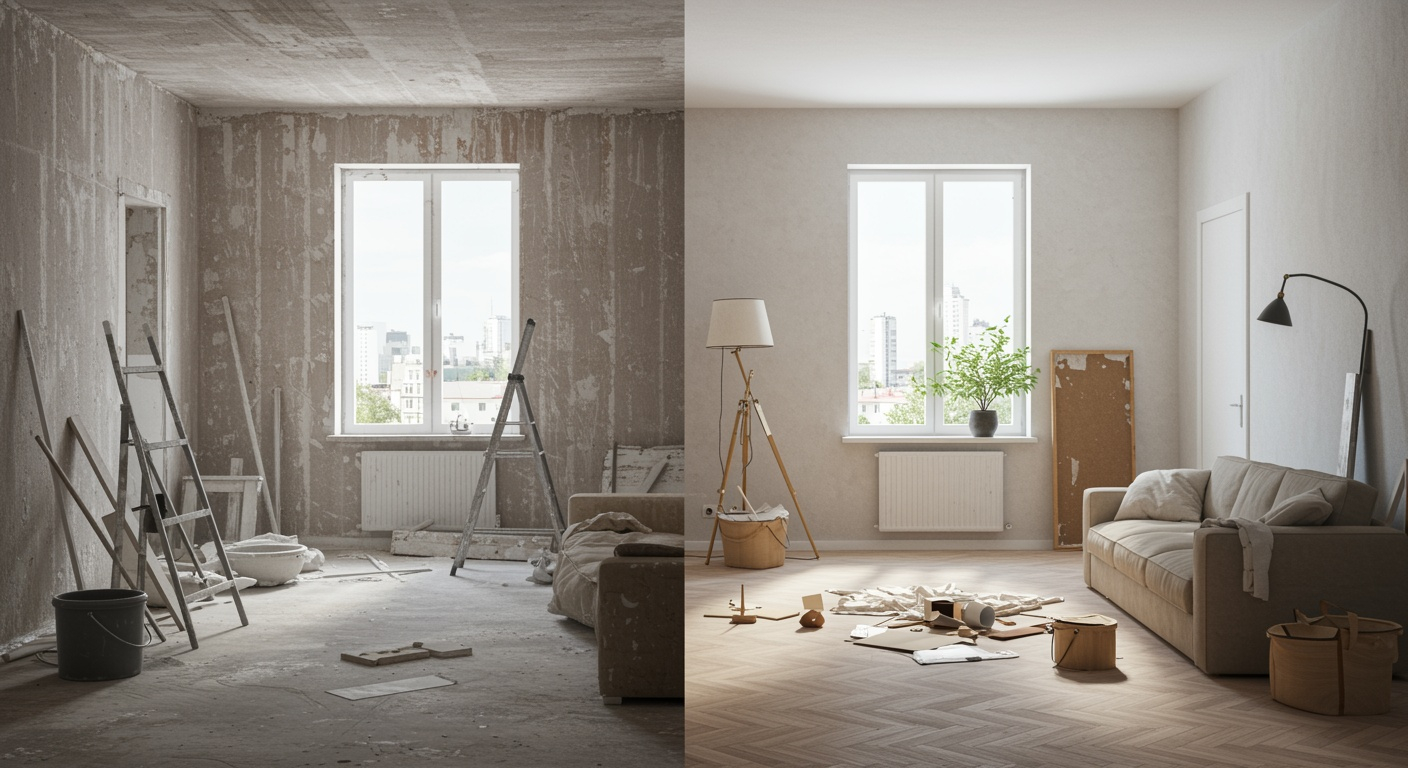
If you’re a working parent, you already juggle enough work deadlines, school runs, meals, and maybe five minutes of quiet before bed. Constantly cleaning your home shouldn’t feel like another full-time job. What many people don’t realize is that interior design choices play a major role in how quickly a home looks (and gets) dirty.
The good news? You don’t need a full renovation or a picture-perfect home. With a few smart, realistic design decisions, you can reduce mess, hide everyday wear, and make cleaning faster and less stressful all while keeping your space warm and family-friendly.
Why Interior Design Matters More Than You Think
Interior design isn’t just about how a space looks, it affects how dirt enters your home, how visible messes are, and how easy everything is to clean. Many families who rely on professional house cleaning services London are often surprised to learn that thoughtful design choices can significantly reduce how often deep cleaning is needed. When your layout, materials, and finishes work with your lifestyle, your home naturally stays cleaner for longer with less effort.
Flooring: The Biggest Dirt Magnet (or Defender)
The Problem
Floors take the brunt of muddy shoes, spills, crumbs, pet hair, and constant foot traffic. The wrong flooring can make your home look dirty even right after cleaning.
Flooring That Shows Dirt Quickly
- High-gloss tiles that reveal footprints
- Very dark wood or laminate that highlights dust
- Light wall-to-wall carpet that stains easily
Parent-Friendly Flooring Options
- Luxury vinyl plank (LVP): Durable, water-resistant, and forgiving
- Medium-tone wood or wood-look floors: Better at hiding dust
- Low-pile, stain-resistant rugs: Easier to vacuum and wash
Actionable tip: Use washable rugs in entryways, under dining tables, and near sofas. Being able to toss them in the wash saves time and stress.
Color Choices: Hiding Mess Without Making Spaces Feel Dark
Why Color Matters
Some colors amplify fingerprints, dust, and smudges, while others subtly hide everyday mess.
Colors That Show Dirt Easily
- Pure white walls and furniture
- Very dark finishes like black or charcoal
- High-gloss paint
Smarter Color Choices for Busy Homes
- Warm neutrals like greige and beige
- Mid-tones such as sage green or muted blue
- Eggshell or satin finishes that wipe clean easily
Working-parent tip: Start with high-traffic spaces like hallways or living rooms where wear shows fastest.
Furniture Materials: Choose Cleanability Over Trends
The Reality
Kids spill, pets shed, and adults drop coffee. Furniture that’s hard to maintain quickly becomes frustrating.
High-Maintenance Materials
Light-colored upholstery
Velvet or silk fabrics
Glass tables that show fingerprints
Easy-Care Alternatives
- Performance fabrics that resist stains
- Leather or faux leather for quick wipe-downs
- Textured fabrics that hide wear and crumbs
Quick win: Washable slipcovers are lifesavers during busy seasons.
Storage & Layout: The Real Secret to Less Clutter
Why Clutter Equals “Dirty”
Even clean homes look messy when items don’t have a designated place.
Common Clutter Zones
- Entryways without shoe or bag storage
- Kitchens with limited cabinet space
- Living rooms with no toy or paper storage
Design That Prevents Mess
- Closed cabinets instead of open shelving
- Entryway drop zones with hooks or baskets
- Furniture with hidden storage
Parent-approved tip: Label storage for kids cleanup becomes faster and far less stressful.
Lighting: Making Your Home Look Cleaner Instantly
Lighting doesn’t remove dirt, but it strongly affects how visible it is.
Lighting That Highlights Mess
- Harsh, cool white bulbs
- Single overhead lights
Cleaner-Looking Lighting Solutions
- Warm LED bulbs
- Layered lighting with lamps and under-cabinet lights
- Dimmer switches for flexibility
Entryway Design: Stop Dirt at the Door
Most dirt enters through shoes, bags, and coats.
Simple Design Fixes
- Durable indoor and outdoor doormats
- Shoe storage near the entrance
- Easy-clean flooring in entry areas
Real-life example: Families who create a visible “shoes-off” zone often notice cleaner floors within days.
Wall Decor & Finishes: Less Dust, Less Work
Dust Collectors
- Open shelving everywhere
- Small decorative items
- Heavy fabric wall hangings
Cleaner Alternatives
- Fewer, larger decor pieces
- Closed cabinets
- Washable or wipeable wall finishes
Rule of thumb: If it takes longer than 30 seconds to clean, rethink it.
Design for Real Life, Not Perfection
A clean-looking home isn’t about perfection, it's about smart design choices that support real life. When your home works with your family’s habits, mess becomes manageable instead of overwhelming. For working parents, the goal is comfort, function, and peace of mind not constant cleaning. And when life gets especially busy, trusted support from providers like Hellamaid can help your well-designed home stay fresh without adding pressure to your already full schedule.
Frequently Asked Questions
Does interior design really affect how dirty a home gets?
Yes. Design influences how dirt enters, settles, and shows up and how easy it is to clean.
What’s the easiest change to reduce mess?
Adding entryway storage and washable rugs delivers fast, noticeable results.
Do I need a minimalist home to keep it clean?
No. Functional design matters far more than having fewer things.
 Portuguese
 English
 Arabic
 French
 Spanish
 Deutsch
 Turkish
 Dutch
Dutch
 Italiano
 Russian
 Romaian
 Portuguese (Brazil)
 Greek
Greek
