


 Pro Benefits
 About
About
 Términos
 Privacidad
 Child Safety & Protection
 Notificaciones
 Ayrush Global It Services Pvt Ltd
What Is a VPN and Why You Need One
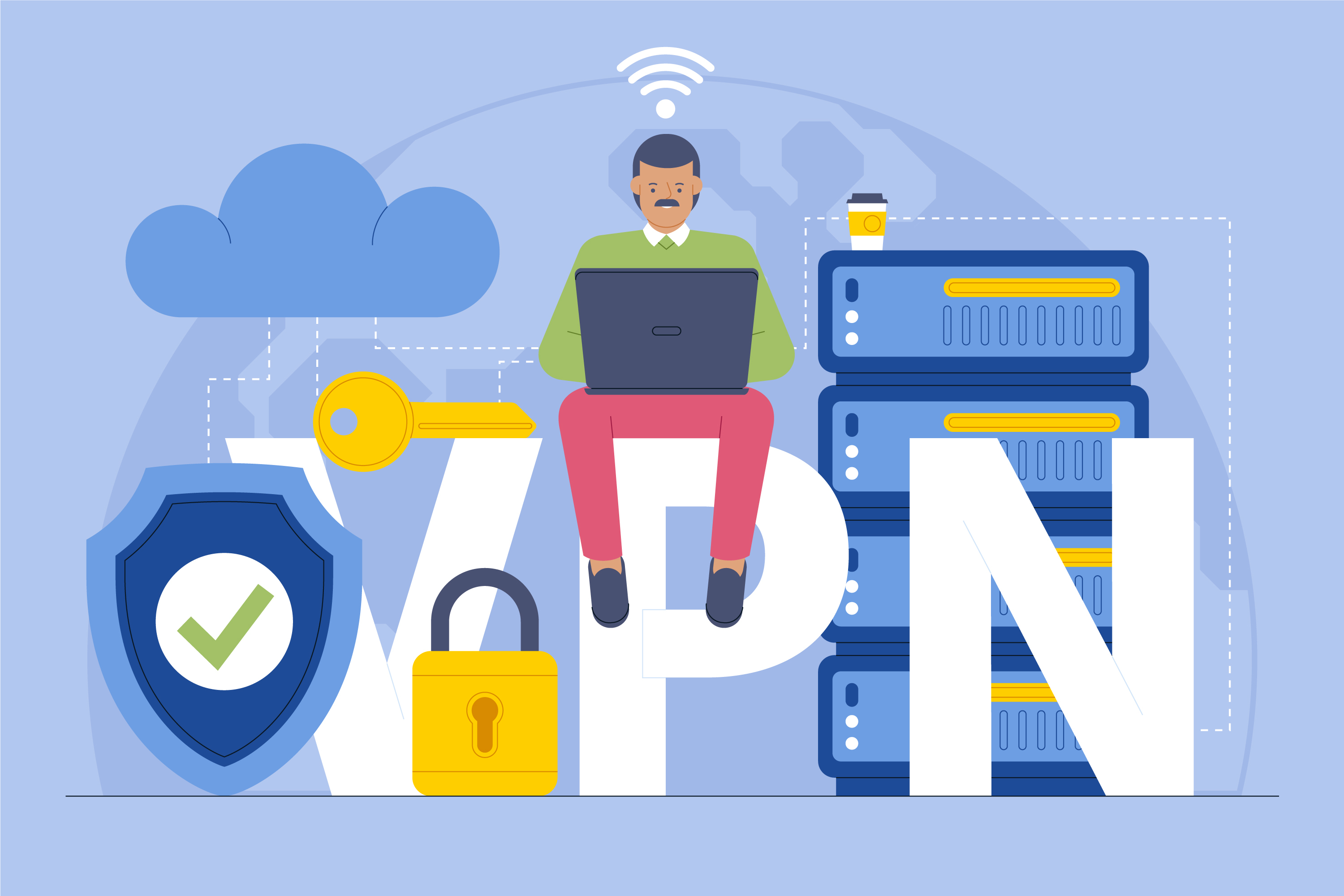
In an era where almost every aspect of daily life depends on the internet, online privacy and security have become major concerns. From browsing websites and shopping online to working remotely and using public Wi-Fi, users constantly share personal data without realizing how exposed it can be. This is where a Virtual Private Network, commonly known as a VPN, becomes an essential tool for safe and private internet use.
What Is a VPN?
A VPN is a technology that creates a secure and encrypted connection between your device and the internet. Instead of sending data directly to websites or online services, your internet traffic is routed through a remote server operated by the VPN provider. This process hides your real IP address and encrypts your data, making it much harder for hackers, trackers, or third parties to monitor your activity.
How a VPN Works
When you connect to a VPN, your data is encrypted before it leaves your device. This encrypted data then travels through a secure tunnel to a VPN server, where it is decrypted and sent to its final destination. Because your real IP address is replaced by the VPN server’s IP, your online identity and location remain hidden. This combination of encryption and IP masking forms the foundation of VPN security.
Why Online Privacy Matters
Without a VPN, your Internet Service Provider (ISP) can see your browsing history, downloads, and online behavior. Advertisers and websites can track you using your IP address, while cybercriminals can exploit unsecured networks to steal sensitive information. These risks are even higher on public Wi-Fi networks, which are often poorly secured and easy targets for attackers.
Key Reasons You Need a VPN
One of the main reasons to use a VPN is protection on public Wi-Fi. Whether you are at an airport, café, or hotel, a VPN ensures that your data remains encrypted and safe from hackers. Another important benefit is online anonymity. By hiding your IP address, a VPN helps prevent tracking and reduces targeted advertising.
VPNs also help protect against cyber threats such as man-in-the-middle attacks and data interception. For remote workers, a VPN provides a secure way to access company systems and confidential files. Additionally, VPNs allow users to bypass censorship and access information more freely in regions with restricted internet access.
Many people exploring VPN options often ask, What is Express VPN? It is a well-known VPN service that demonstrates how strong encryption, global servers, and privacy-focused policies can enhance online security when properly implemented.
Choosing the Right VPN
Not all VPN services offer the same level of protection. A reliable VPN should have strong encryption standards, a strict no-logs policy, and transparent privacy practices. Speed, server locations, and device compatibility are also important factors to consider. Users researching the Top 10 Virtual Private Network Services often compare these features to find a VPN that best meets their security and privacy needs.
Common Myths About VPNs
Some people believe VPNs are only for tech experts or illegal activities, but this is not true. VPNs are legal in most countries and are widely used by individuals, businesses, and organizations to protect sensitive data. Modern VPN apps are user-friendly and can be set up in just a few clicks.
Conclusion
A VPN is a powerful tool that helps protect your privacy, secure your data, and give you greater control over your online experience. By encrypting your internet traffic and hiding your IP address, a VPN reduces the risks associated with hacking, tracking, and surveillance. In today’s digital world, using a VPN is no longer just an option—it is a smart and necessary step toward safer, more private internet usage.
 Spanish
 English
 Arabic
 French
 Portuguese
 Deutsch
 Turkish
 Dutch
Dutch
 Italiano
 Russian
 Romaian
 Portuguese (Brazil)
 Greek
Greek
