


 Pro Benefits
 Environ
 Conditions générale de vente
 Confidentialité
 Child Safety & Protection
 Notifications
 Ayrush Global It Services Pvt Ltd
How to Convert Traditional Basin Taps to Sensor Taps: A Simple, Modern Upgrade for Your Bathroom
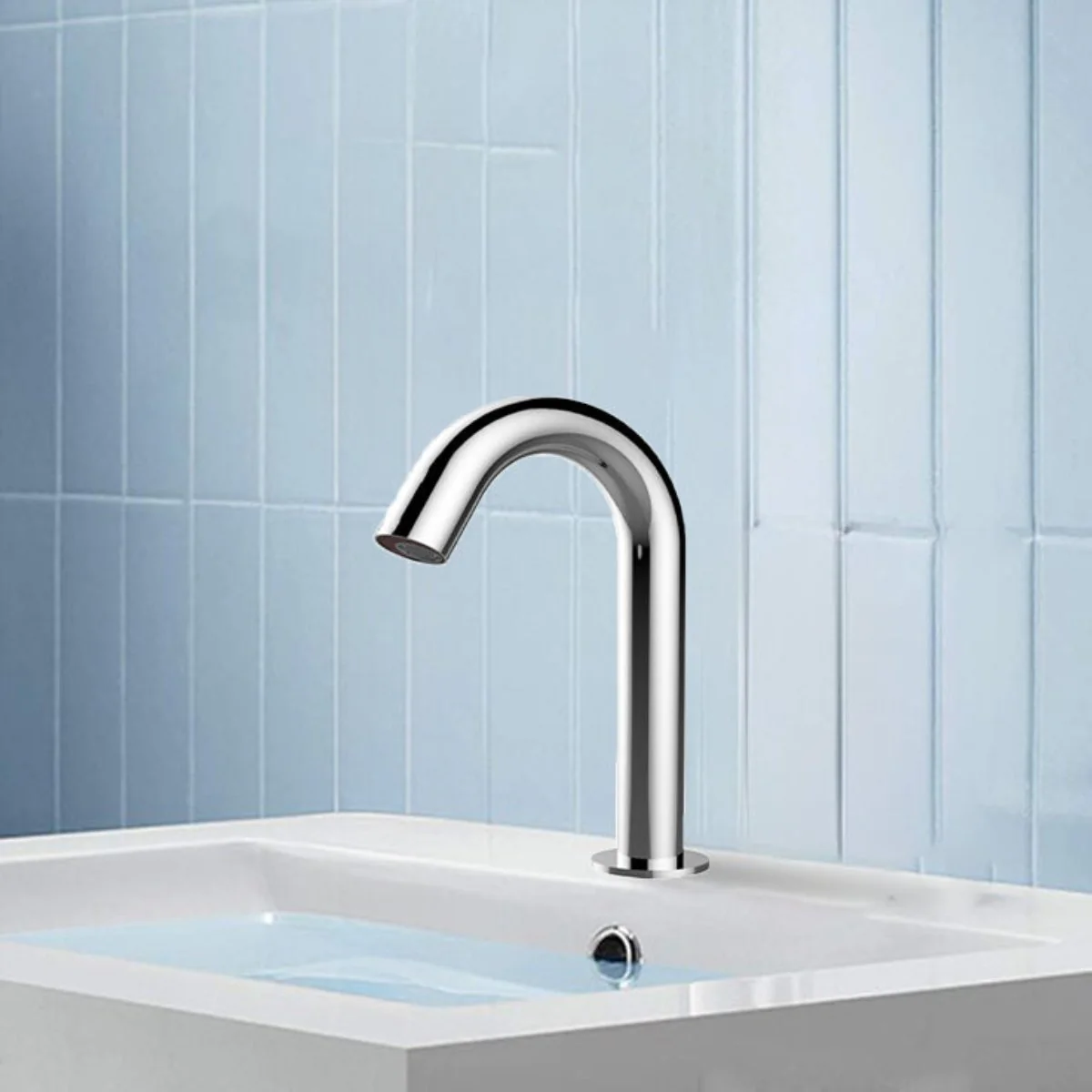
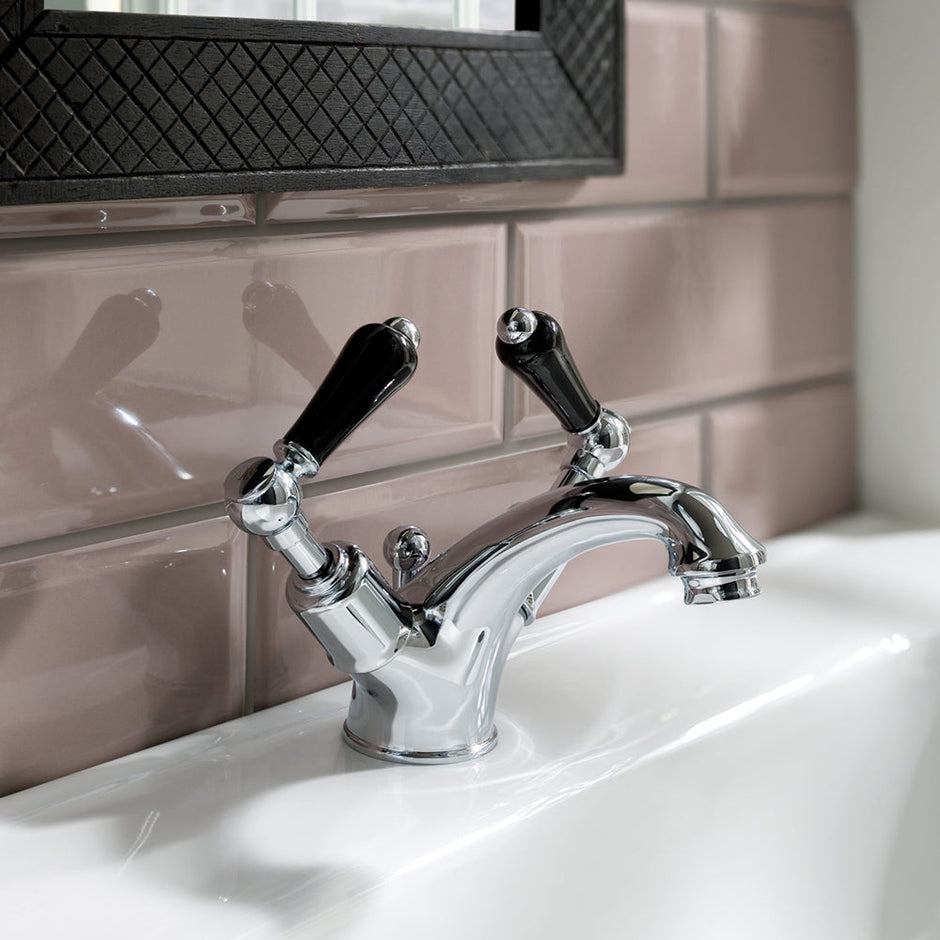
Upgrading a bathroom doesn’t always mean ripping everything out and starting again. One of the smartest and most modern improvements you can make is converting traditional basin taps into sensor taps. This change not only updates the look of your bathroom but also improves hygiene, reduces water waste, and makes everyday use more convenient.
In this guide, we’ll walk through how to convert traditional basin taps to sensor taps in a clear, practical, and human way—so you know exactly what’s involved before you start.
Why Convert Traditional Basin Taps to Sensor Taps?
Traditional basin taps require constant touching, which can spread germs and lead to unnecessary water use. Sensor taps, on the other hand, activate only when hands are detected.
Key benefits of sensor taps include:
-
Improved hygiene with touch-free operation
-
Reduced water wastage
-
A cleaner basin area with fewer fingerprints
-
Modern, minimalist appearance
-
Ideal for family bathrooms and guest washrooms
Converting to sensor taps is especially popular in homes looking for a modern feel without a full renovation.
Can Traditional Basin Taps Be Converted?
Yes—most traditional basin taps can be converted to sensor taps, but the method depends on your existing setup.
You’ll usually fall into one of these categories:
-
Replacing the tap entirely with a sensor tap (most common and reliable)
-
Using a sensor conversion kit (less common and depends on tap compatibility)
For long-term performance and ease, replacing the tap with a dedicated sensor tap is generally the best option.
What You’ll Need Before You Start
Before beginning the conversion, check the following:
-
Basin tap hole size (single-hole or two-hole setup)
-
Hot and cold water supply configuration
-
Power source for the sensor tap (battery or mains)
-
Space under the basin for control box and valves
Most modern sensor taps are designed to fit standard basin layouts, making the switch straightforward.
Step-by-Step: How to Convert Traditional Basin Taps to Sensor Taps
Step 1: Turn off the water supply
Start by switching off both hot and cold water supplies under the basin. Open the existing taps to release any remaining water in the pipes.
Step 2: Remove the traditional basin taps
Using a basin spanner, carefully disconnect the supply hoses and loosen the mounting nuts. Lift the old taps out and clean the basin surface to remove limescale or old sealant.
Step 3: Prepare the basin for the sensor tap
Check that the tap hole is clean and correctly aligned. Most sensor taps use a single-hole design, which works well for modern basins. If your basin has two tap holes, a deck plate may be required.
Step 4: Install the sensor tap
Place the sensor tap into the basin hole, ensuring the sensor faces forward. Secure it from underneath using the fixing kit provided. This step is similar to installing a standard mixer tap.
Step 5: Connect the water supply
Attach the flexible hoses from the sensor tap to your hot and cold water feeds. Some sensor taps mix water internally, while others require a pre-mixed supply—check the manufacturer’s instructions carefully.
Step 6: Set up the power source
Sensor taps are powered either by batteries or a mains adaptor.
-
Battery-powered sensor taps are easier to install and ideal for domestic use
-
Mains-powered sensor taps offer continuous power but require a nearby socket
Install the batteries or connect the adaptor as instructed.
Step 7: Test and adjust
Turn the water supply back on and test the sensor. Adjust settings such as water temperature, sensor range, and flow time if available. Make sure there are no leaks under the basin.
Common Mistakes to Avoid
-
Not checking basin compatibility before buying a sensor tap
-
Overtightening fittings, which can damage seals
-
Ignoring water pressure requirements
-
Using harsh cleaners on the sensor lens
Taking a little time during installation helps avoid problems later.
Maintenance Tips for Sensor Taps
Sensor taps are low-maintenance, but a little care goes a long way:
-
Wipe the sensor lens regularly with a soft cloth
-
Replace batteries when water response slows
-
Avoid abrasive or bleach-based cleaners
-
Check connections annually for peace of mind
Is Professional Installation Needed?
If you’re comfortable installing a standard basin tap, you can usually install a sensor tap yourself. However, if your setup involves electrical connections or unusual pipework, using a professional installer is recommended.
Conclusion
Converting traditional basin taps to sensor taps is a simple yet effective way to modernise your bathroom. The upgrade from Tapron Ireland improves hygiene, saves water, and brings a clean, contemporary feel to your space—all without major renovation work.
With the right planning and a good-quality sensor tap, this small change can make a big everyday difference.
FAQs
Can I convert two separate taps into one sensor tap?
Yes, most people replace separate hot and cold taps with a single sensor tap designed to mix water internally.
Do sensor taps work with low water pressure?
Many models do, but always check the minimum pressure requirement before buying.
How long do batteries last in sensor taps?
Typically 6–24 months, depending on usage and model.
 French
 English
 Arabic
 Spanish
 Portuguese
 Deutsch
 Turkish
 Dutch
Dutch
 Italiano
 Russian
 Romaian
 Portuguese (Brazil)
 Greek
Greek
