


 Pro Benefits
 About
About
 Koşullar
 Gizlilik
 Child Safety & Protection
 Bildirimler
 Ayrush Global It Services Pvt Ltd
How High Quality Food Photography Influences Customer Buying Decisions
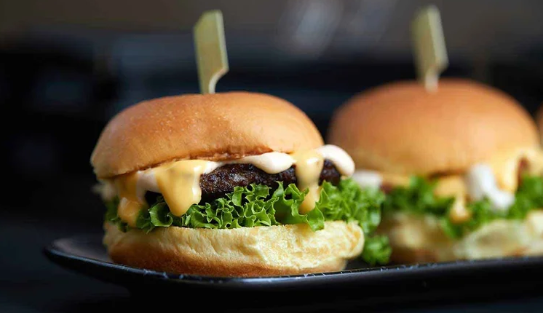
Have you ever opened a food delivery app just to browse and ended up ordering because something looked too good to ignore? Or maybe you’ve slowed down outside a restaurant because the photo on the board caught your eye. That reaction is not accidental. Good food photography often plays a bigger role than we realize. In today’s digital-first world, a single image can easily decide whether someone orders your dish or scrolls past it.
Why Food Photos Matter So Much
We usually eat with our eyes first. Before taste or smell comes into play, the visual impression takes over. This may explain why Food Photography has become such a big deal for restaurants, cafés, and even home-based food businesses. When customers can’t taste your food yet, the photo is often your only way to spark interest.
People browsing online menus tend to make decisions very quickly. A clear, inviting photo can trigger hunger almost instantly. On the flip side, a dark or blurry image might push someone away, even if the food itself is excellent. It’s a little unfair, perhaps, but that’s how fast online choices work.
How Good Photos Build Trust
Good food photos don’t just look nice. They also help build trust, which is especially important for first-time customers.
Clear and well-lit images suggest that the business cares about quality and presentation. When photos accurately show portion size and plating, customers know what to expect. This reduces disappointment and builds credibility. Many people also assume that if a restaurant invests in proper photography, it likely takes similar care with its food. That assumption may not always be perfect, but it strongly influences buying decisions.
The Psychology Behind Food Photography
There’s some real psychology involved in why certain food images work better than others.
Color plays a role. Warm shades like golden brown, deep red or soft yellow often make food look more tempting. A photo of crispy fries or ripe strawberries naturally feels more appetizing than dull or faded colors.
Texture matters too. When a photo captures melted cheese, crunchy edges, or a glossy sauce, the brain almost fills in the taste. We don’t just see the food we imagine eating it. Context also helps. Food placed on a casual dining table or near a window may feel more relatable than food floating on a plain background.
The Social Media Effect
These days, food photos mostly live on social media and delivery apps, and that changes how restaurants attract customers.
People tend to share photos they find attractive, which can act like free advertising. Many diners discover new cafés or dishes through Instagram or Facebook posts. Images that look good usually get more likes, comments, and shares. Occasionally, one well-shot photo spreads fast and brings in a surprising number of new customers.
Customers also take their own photos. If a dish looks good in real life, people are more likely to post it. In a way, your customers start promoting your food for you.
What Makes Food Photography High-Quality?
Not every food photo works. Some small details make a big difference.
Good lighting, especially natural light, helps food look fresh. Sharp focus shows texture and detail. Choosing the right angle matters too pizzas often look great from above, while burgers usually look better from the side. Clean backgrounds keep attention on the food itself. Most importantly, the photo should be honest. When the real dish matches the image, trust grows over time.
The Real Impact on Sales
Many food businesses notice clear changes after improving their photos. Online orders often increase once menus include clear, appealing images. Customers also seem more willing to try higher-priced items when they can see exactly what they’re getting.
One café owner mentioned that after updating their dessert photos, orders for that item went up noticeably within weeks. Another restaurant saw far more engagement on social media once they stopped using phone snapshots and switched to professional images.
Conclusion
In today’s competitive food market, quality food photography appears to be less of a luxury and more of a necessity. Photos are often the first impression customers get, and that impression can influence trust, interest, and final decisions.
Whether it’s a small café or a large restaurant, investing in better food photos usually pays off. It’s not about making food look fake or misleading. It’s about showing it clearly, honestly, and at its best. In a world where people decide quickly and visually, a strong photo may be one of the most powerful tools a food business can use.

 English
 Arabic
 French
 Spanish
 Portuguese
 Deutsch
 Dutch
Dutch
 Italiano
 Russian
 Romaian
 Portuguese (Brazil)
 Greek
Greek
