


 Pro Benefits
 Environ
 Conditions générale de vente
 Confidentialité
 Child Safety & Protection
 Notifications
 Ayrush Global It Services Pvt Ltd
Patio Materials Built to Last in St. Louis and Clarkson Valley
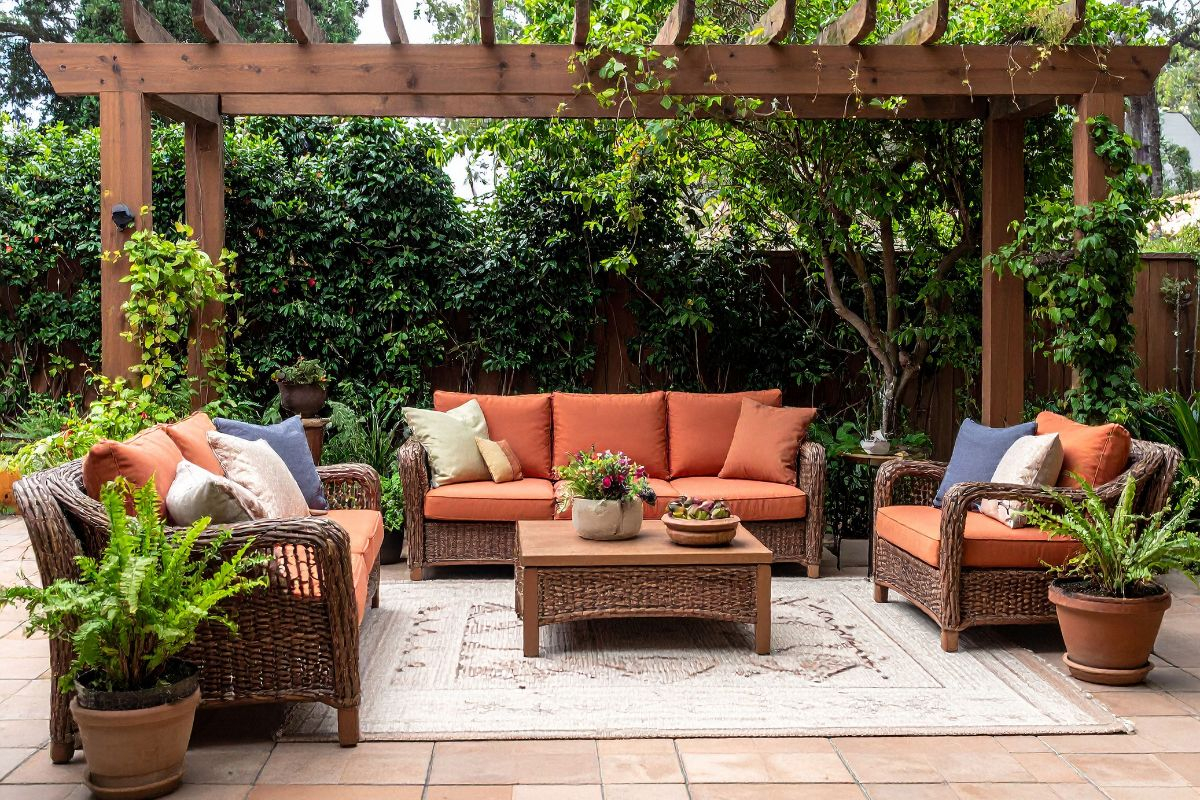
Choosing the right patio material isn’t just about looks — it’s about how well that material holds up to the unique climate patterns of St. Louis and the surrounding areas, including Clarkson Valley. Hot summers, cold winters, humidity, and unpredictable rainfall all play a role in how long your patio will last and how much maintenance it will require. Understanding these factors helps you make a smart, durable, and attractive choice for your outdoor space.
This guide breaks down the key weather considerations, compares common materials, and shares a real-world example from landscaping in st louis mo to show how proper planning creates long-lasting results.
Understanding Local Weather: St. Louis & Clarkson Valley Conditions
The St. Louis region sees a mix of hot, humid summers and cold winters with periodic freeze–thaw cycles. Spring often brings heavy rainfall, while temperature swings throughout the year place extra stress on outdoor structures.
Major climate factors affecting patios include:
Freeze–Thaw Cycles
Moisture that seeps into porous materials expands when it freezes, which can cause cracking, flaking, or shifting. Patios with poor drainage or weak foundations are at the highest risk.
Seasonal Saturation
Rain-heavy seasons saturate soil, making it unstable and more likely to shift. This can cause patios to settle unevenly unless built on a reliable, compacted base.
Heat & UV Exposure
Missouri summers can be harsh on materials. Some surfaces fade or weaken under intense sunlight without proper treatment or sealants.
De-Icing Salts
If salts are used in winter, some natural stones and concrete finishes can deteriorate or discolor. Material selection should take this into account.
Best Patio Materials for St. Louis Weather
Each material handles moisture, heat, freezing, and abrasion differently. Here’s a practical breakdown for homeowners who want a patio that performs well and remains visually appealing.
Natural Stone (Granite, Bluestone, Limestone, Sandstone)
Pros:
-
High-end look with excellent durability
-
Low-absorption stones resist freezing damage
-
Ages beautifully with proper sealing
Cons:
-
Some stones (like soft limestone or sandstone) can absorb water and crack
-
Typically more expensive
-
Requires careful installation for longevity
Best for homeowners seeking a top-rated, elegant patio built with durable stone that will stand the test of time.
Concrete Pavers
Pros:
-
Designed to withstand freeze–thaw cycles
-
Budget-friendly and available in many styles
-
Easy to repair by replacing individual units
-
Minimal long-term maintenance
Cons:
-
Can shift if the base is inadequate
-
Cheaper varieties may fade over time
Excellent choice for a reliable, affordable, and proven patio surface with strong long-term performance.
Porcelain Pavers
Pros:
-
Highly resistant to moisture absorption
-
Frost-proof and low-maintenance
-
Modern aesthetic with slip-resistant options
Cons:
-
Needs precision installation by a well-experienced contractor
-
More expensive than standard pavers
Ideal for homeowners wanting an innovative, cutting-edge surface with high-performance durability.
Stamped or Poured Concrete
Pros:
-
Versatile textures and colors
-
Cost-effective for large patios
-
Can mimic stone at a lower cost
Cons:
-
More prone to cracking in freeze–thaw conditions
-
Repairs may be visible
-
Requires proper mix and jointing for cold climates
Best for large patios where affordability and customization matter.
Gravel or Crushed Stone
Pros:
-
Good drainage and permeability
-
Very affordable and easy to install
-
Works well for rustic or casual designs
Cons:
-
Can shift without edging
-
Less stable for furniture
-
Requires occasional replenishing
A solid choice for informal areas or eco-friendly, permeable surfaces.
Key Construction Factors That Support Durability
Even the best materials can’t compensate for poor installation. A results-driven patio design depends heavily on preparation and technique.
1. Proper Base Depth and Compaction
A deep, well-compacted base prevents movement and protects against frost heave. This is one of the most important parts of a high-performance patio.
2. Controlled Drainage
Patios should gently slope away from the home. Additional drainage channels, gravel trenches, or piping may be needed depending on the slope and soil.
3. Jointing and Edge Restraints
Polymeric sand, flexible joint compounds, or frost-rated grouts help stabilize materials. Strong edging prevents pavers from shifting outward.
4. Salt-Resistant Strategies
Select materials that tolerate de-icers or plan to use salt-free alternatives to extend the life of your patio.
Case Study: GreenScapeSTL Landscaping and Outdoor Living
A Clarkson Valley family hired GreenScapeSTL to build a patio that would withstand frequent use and St. Louis weather while staying low-maintenance.
Site Challenges
-
West-facing sun exposure
-
Clay-heavy soil with poor drainage
-
Family-friendly space needed for kids and pets
Solution
The team recommended concrete pavers due to their durability, affordability, and excellent freeze–thaw performance. They installed:
-
A 6–10 inch compacted aggregate base
-
A slight pitch for natural drainage
-
A gravel trench and drainage pipe for runoff
-
A natural stone seating wall with granite caps
-
Native plantings to reduce irrigation needs
Outcome
The patio remained stable even after a winter with multiple freeze–thaw cycles. The homeowners loved the reliable and user-friendly design, and the patio required minimal maintenance.
Checklist for Choosing the Right Material
Use this quick list before finalizing your patio material:
-
How much sun and shade does your patio area get?
-
What type of soil do you have (clay, sandy, mixed)?
-
Will the patio see heavy foot traffic or furniture?
-
How much maintenance do you prefer?
-
Will winter ice-melt products be used?
-
Do you prefer natural stone, pavers, concrete, or porcelain?
-
Are you prioritizing affordability, premium style, or long-term performance?
A Patio Contractor In Clarkson Valley MO with the right experience can evaluate these factors and recommend a reliable, scalable design tailored to your property.
Final Thoughts
Selecting the right patio material in a climate like St. Louis isn’t guesswork — it’s about matching weather conditions with material durability. When you combine smart material choices with proper installation, drainage, and a trusted contractor, your patio will stay beautiful and functional for many years.
 French
 English
 Arabic
 Spanish
 Portuguese
 Deutsch
 Turkish
 Dutch
Dutch
 Italiano
 Russian
 Romaian
 Portuguese (Brazil)
 Greek
Greek
